



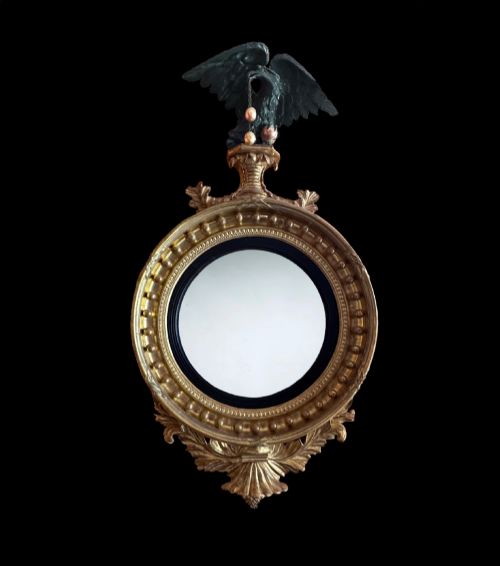

Antique Round Frame
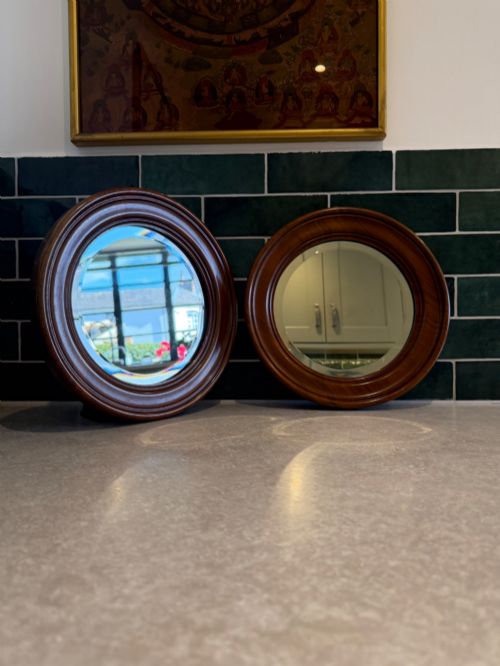
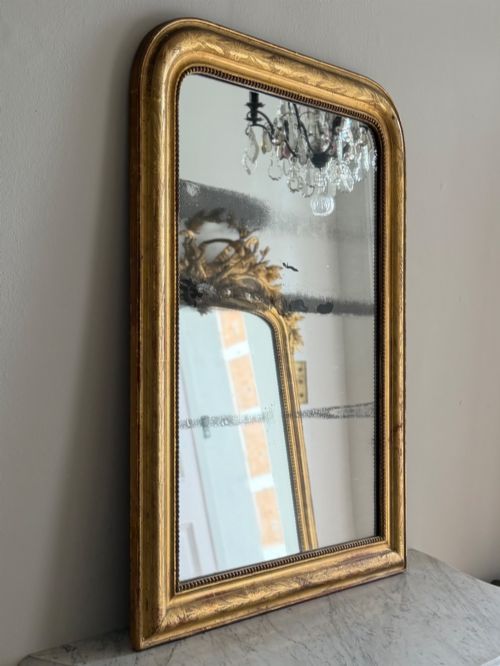
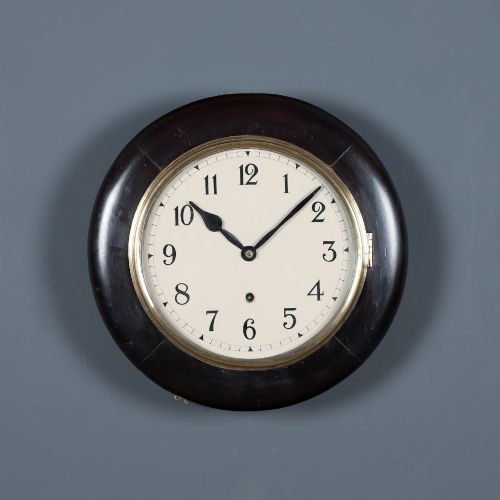
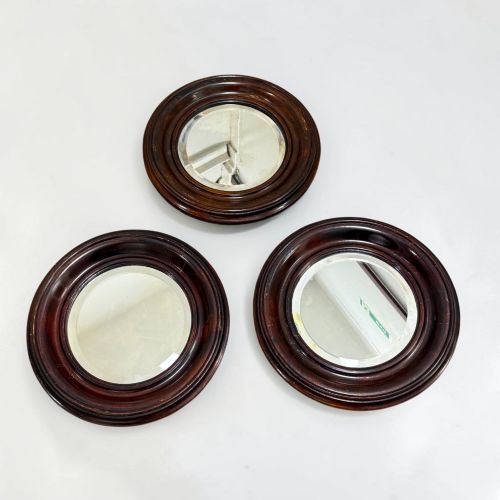
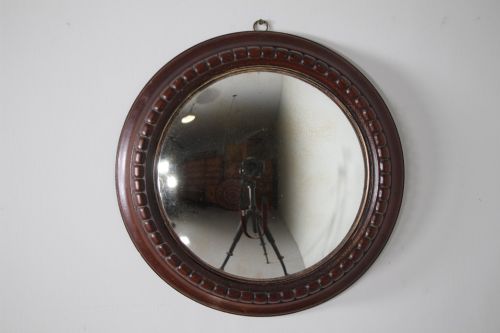
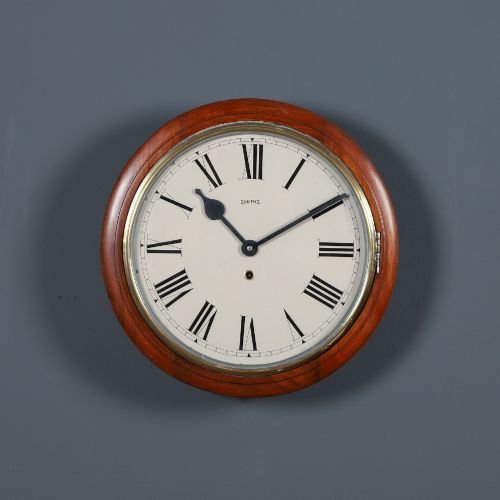
These antique round frame pieces span convex wall mirrors, station clocks and silver photo frames designed to catch the light.
Antique Round Frame
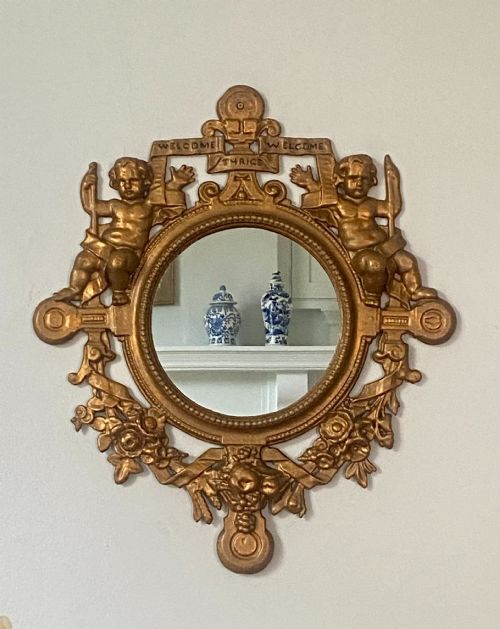
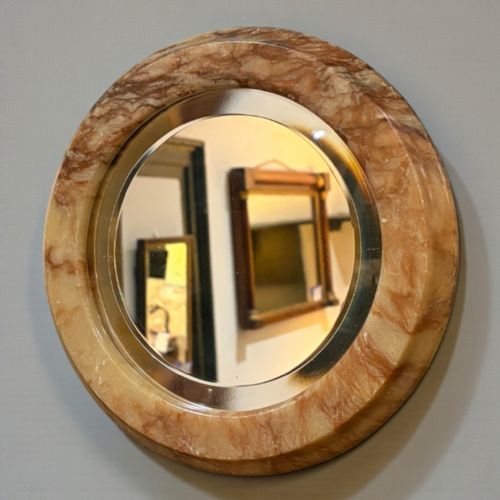
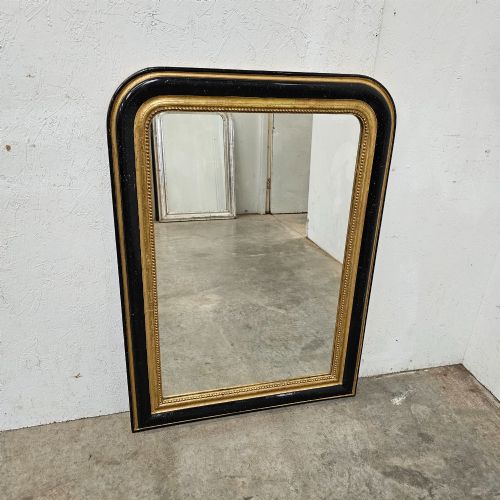
An antique round frame typically houses wall mirrors, station clocks, picture frames, and portrait miniatures. The most common manifestations on this page are giltwood convex mirrors and circular wooden wall mirrors spanning the Regency, Victorian, and Edwardian periods.
Makers and craftsmen applied circular formats to functional household items, ranging from large gilded wall glasses to smaller occasional table tops and pocket locket pendants. These forms draw the eye through symmetrical geometry and curved boundaries.
Pieces emerge from diverse origins including English traditional workshops, French Louis Philippe ateliers, and Italian silver foundries. Each period adapts the circular perimeter to different domestic uses, from timekeeping to personal adornment.
Materials and construction methods
Makers constructed the structural carcasses primarily from timber such as mahogany, walnut, oak, and ebonised wood, sometimes shaping them into folding tables or clock surrounds. Giltwood and gesso form the decorative surfaces on many circular frames, creating raised ornamentation around the glass.
Mirrors frequently employ mercury glass or convex lenses that distort reflections across curved planes. Metal components utilise brass, bronze, and sterling silver, particularly in photo frames, locket pendants, and station clock bezels.
Antique Round Frame Retail Price Guide 2026
Typical asking prices for round frame among the pieces listed under this phrase on Sellingantiques today, from the lower quarter to the upper quarter. They describe what is for sale here now, not the wider market.
Listings feature items spanning the eighteenth, nineteenth, and twentieth centuries, constructed from glass, giltwood, gesso, brass, and silver.
Factors that define quality
The standard of carving and gilding separates finer antique round frame examples from simpler production. Crisp relief work in the gesso and wood denotes skilled hand execution rather than mass replication.
The preservation of original materials dictates overall integrity, notably whether a mirror retains its early mercury glass or if a clock movement maintains its original dial design. The depth of the gilt and the absence of clumsy restoration preserve the authentic visual impact.
The Antique Round Frame Glossary
- Convex mirror
- A curved mirror surface that reflects a wide, rounded field of vision. These are often called witch's mirrors or porthole mirrors.
- Gesso
- A plaster-like mixture applied to wood surfaces as a base for gilding. Artisans carved intricate relief designs directly into this layer.
- Mercury glass
- Silvered glass produced by pouring a mercury amalgam between double-walled glass panes. This technique creates a characteristic mottled reflection.
- Louis Philippe
- A French stylistic period spanning the nineteenth century characterised by restrained curves and broad expanses of gilt. Pieces from this era often feature simple, rounded mouldings.
- Sterling silver
- A silver alloy containing substantial pure silver content used for photo frames and small decorative objects. British examples frequently carry hallmarks indicating their assay office and year.
Antique Round Frame: Frequently Asked Questions
How do I date a round wooden frame?
Dating relies on examining the timber species, construction joints, and finishing materials like gesso or ebonised wood.
Different eras favour specific woods, such as Regency giltwood or Edwardian oak and mahogany.
Are station clocks round dials original?
Station and school clocks generally feature circular painted dials housed within deep wooden surrounds.
These timepieces date from periods like the early twentieth century and were built for institutional legibility.
How should I hang a heavy gilt mirror?
Heavy framed mirrors require secure wall fixings suited to the weight of the timber and gesso construction.
Consulting a professional installer ensures the piece hangs safely without straining the antique frame.