


Antique Rose Brooch
An antique rose brooch brings together centuries of meticulous metalwork and stones, offering a wearable piece of history designed to pin securely to lapels and garments.
Antique Rose Brooch
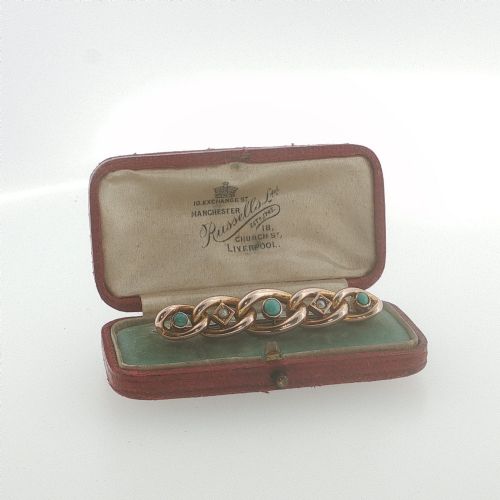
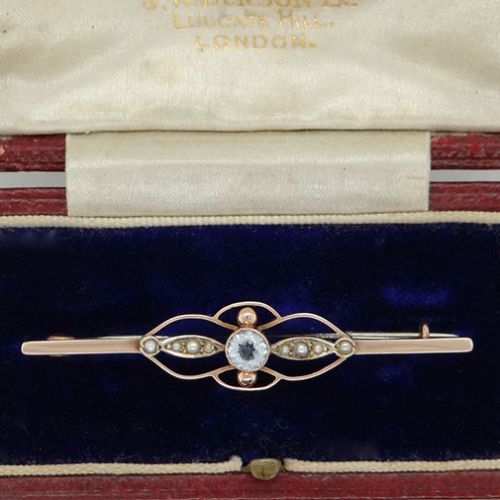
When searching for an antique rose brooch, collectors encounter pieces spanning the Victorian, Edwardian, and Art Deco periods alongside earlier Georgian examples. These items take diverse forms, functioning as dedicated bar brooches, floral sprays, convertible pendants, and intricate insect or animal motifs.
Many items serve dual purposes as both brooches and pendants, providing versatility in how they are worn today.
Materials and Construction
The construction relies heavily on combinations of gold in varying purities - ranging from 9ct and 10ct to 14ct, 15ct, 18ct, and 22ct - frequently paired with silver settings to enhance the brilliance of diamonds. Jewellers utilised rose gold extensively, alongside platinum in later Edwardian works.
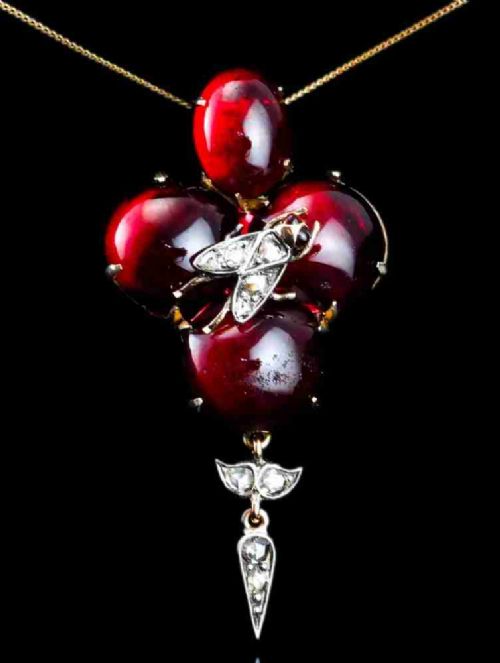
Gemstone setting involves rose-cut, old-cut, and flat-cut diamonds accompanied by seed pearls, aquamarines, and enamelling techniques such as plique-à-jour. Metals are worked into delicate floral sprays, starbursts, crescents, and detailed figurative designs including butterflies, cockerels, and flies.
A cheerful insect brooch in the selection lets you wear a glittering gold and ruby beetle that refuses to crawl away.
Distinctions in Quality
Quality rests upon the fineness of the metalworking and the harmonious arrangement of the stones, whether diamond clusters, cabochon garnets, or delicate seed pearls. Superior examples display seamless integration of silver-topped gold mounts that securely hold old-cut and rose-cut diamonds without obscuring the delicate underlying structure.
CARTIER
The Antique Rose Brooch Glossary
- Rose-cut diamond
- A vintage diamond cut featuring a flat base and a domed crown with triangular facets arranged in a symmetrical pattern. This style originated in the sixteenth century and remains common in Georgian and Victorian jewellery.
- Silver-topped gold
- A historical manufacturing technique where a thin layer of silver is soldered over gold to provide a white metal surface for diamond setting while retaining the strength of gold underneath.
- Plique-à-jour
- A translucent enamelling technique where enamel is applied to open cells without a backing, allowing light to shine through much like stained glass.
- Cabochon
- A gemstone shaped and polished with a smooth, convex surface rather than faceted edges, frequently utilised for garnets and opals in nineteenth-century pieces.
- Convertible brooch
- A versatile piece of jewellery engineered with hidden loops or detachable fittings so it can transition seamlessly between a lapel pin and a pendant hung from a chain.
Antique Rose Brooch: Frequently Asked Questions
How do I wear an antique brooch safely?
Pin the piece securely through heavier fabrics like wool or linen to support its weight without sagging. Ensure the safety catch or C-clasp is fully engaged before stepping out.
For convertible items, attach a safety chain to your garment when wearing the piece as a pendant to prevent loss if the primary clasp loosens.
Were these always worn on lapels?
While lapels and bodices served as common placement points, historical placement varied widely according to changing fashion trends. Victorians pinned them at the neck fastening of collars or centred upon sashes.
Many surviving pieces double as pendants, offering alternative display methods on chains or ribbons.
How can I tell a Victorian brooch from an Edwardian one?
Victorian examples often feature heavier yellow or rose gold settings, pinchbeck, or silver-topped mounts framing deep-toned stones like garnets, turquoise, and cabochons. Motifs frequently lean toward naturalistic themes, starbursts, and sentimental symbols.
Edwardian pieces introduce lighter platinum and delicate white gold frameworks, favouring diamond-heavy garlands, bows, and airy openwork designs.
Can I clean an antique rose brooch at home?
Gentle maintenance involves using a soft, dry microfibre cloth to wipe away surface dust and skin oils after wearing. Avoid harsh chemical dips, ultrasonic cleaners, and abrasive brushes which can damage fragile seed pearls and soft coloured stones.
Professional jewellers should inspect antique prong settings periodically to ensure older stones remain secure.