




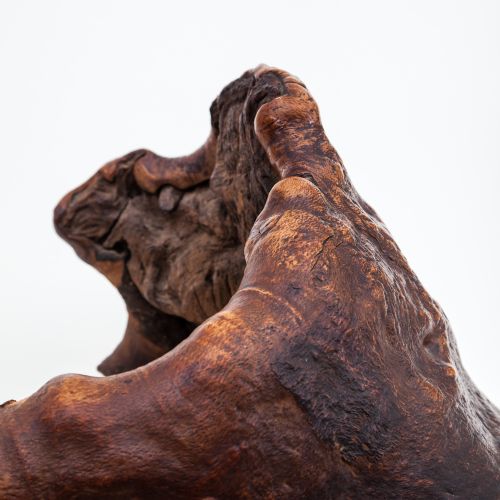


Antique Root Carving
An antique root carving brings the tangled, natural geometries of gnarled timber directly into an interior.
Antique Root Carving
When you search for an antique root carving, you encounter sculptural works that transform naturally contorted burls and subterranean timbers into figures, stands, and vessels. These pieces emerge predominantly from Chinese regional and Qing Dynasty workshops, alongside Victorian rustic pieces and Japanese decorative arts.
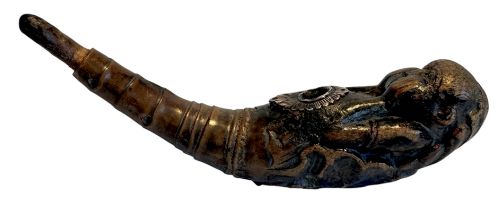
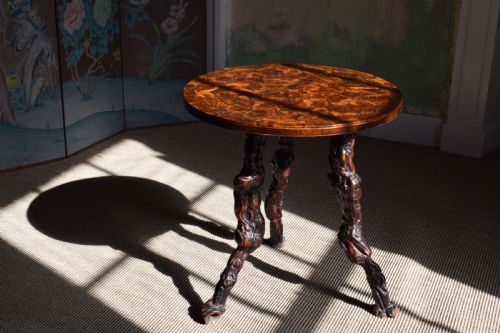
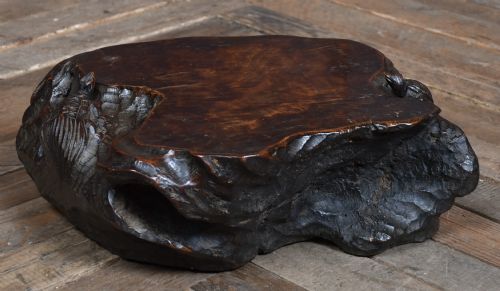
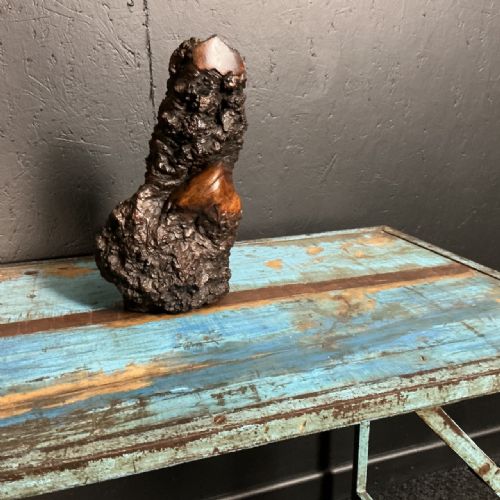
The objects take many functional and decorative forms, ranging from figural sculptures of scholars and mythological animals to table lamps, stands inset with quartz, headrests, and walking stick handles. The wood is selected for its grotesque twists and knots, which carvers then subtly augment rather than completely reshape.
You are most likely to meet nineteenth-century Chinese rootwood figures and lamp bases on this page. These examples demonstrate how artisans followed the organic grain to suggest human forms, mythical beasts, or the natural posture of a branch.
Materials and construction
Carvers utilised dense hardwoods, burr walnut, pollard birch, and bamboo, selecting pieces with complex, gnarled growth patterns. The natural knots and grain dictate the final shape, with makers cutting away excess material only to clarify a face, a limb, or the contours of a mythological beast.
Secondary elements such as brass, lacquer, and deep quartz tops occasionally integrate with the timber base. Surface finishing relies on hand-rubbed polishes that deepen the tone of the hardwood and highlight the convoluted movement within the burl grain.
Antique Root Carving Retail Price Guide 2026
Typical asking prices for root carving among the pieces listed under this phrase on Sellingantiques today, from the lower quarter to the upper quarter. They describe what is for sale here now, not the wider market.
Materials documented across the inventory include root wood, burr walnut, bamboo, pollard birch, brass, and inset quartz.
Assessing quality and craftsmanship
Quality rests upon the harmony between the natural growth of the root and the restraint of the artisan. The finest pieces allow the original, erratic contours of the timber to dominate, using minimal knife work to reveal a figure or creature.
Surface patina and the depth of the wood grain separate superior examples from simpler ones. Pieces that retain a rich, untouched tactile surface and display a confident integration of form and material command greater attention.
Gyoko
The Antique Root Carving Glossary
- Burl wood
- A tree growth where the grain has grown in a deformed manner, producing complex swirls and knots that are highly prized by carvers.
- Rootwood
- Timber taken from the root system of a tree, naturally irregular and dense, used extensively in Asian and European folk art sculpture.
- Patina
- The deep surface sheen and mellow colour developed through decades of handling, exposure to light, and careful polishing.
- Qing Dynasty
- The imperial dynasty of China spanning from sixteen forty-four to nineteen twelve, representing a major period for decorative root carvings.
Antique Root Carving: Frequently Asked Questions
What is an antique root carving?
An antique root carving is a sculptural object made from the twisted, gnarled subterranean wood or burls of trees. Artisans carved these organic forms to resemble scholars, deities, animals, or functional items like lamp bases and stands.
These pieces celebrate the natural irregularities of timber, merging raw nature with human craftsmanship.
How do I date an old root carving?
Dating relies on examining the tool marks, the choice of timber, the style of the carving, and the overall patina of the wood. Nineteenth-century examples often display specific regional Chinese characteristics or Victorian rustic styling.
Comparing the object's form and finish with documented pieces from periods such as the Qing Dynasty helps establish its era.
Where were root carvings made?
Root carvings originate primarily from China, where scholars and regional workshops elevated natural wood burls into high art during the Qing Dynasty. Similar folk art and rustic traditions also flourished in Japan and nineteenth-century Europe.
Each region favoured specific native hardwoods and distinct sculptural subjects, ranging from mythological figures to walking stick handles.
How do I care for root wood furniture?
Care for root wood requires keeping the pieces away from direct heat sources and extreme humidity fluctuations to prevent the dense timber from splitting. Dusting gently with a dry, soft cloth preserves the historic surface finish without stripping the patina.
Avoid using modern chemical polishes, allowing the natural oils and age of the wood to maintain their own character.