

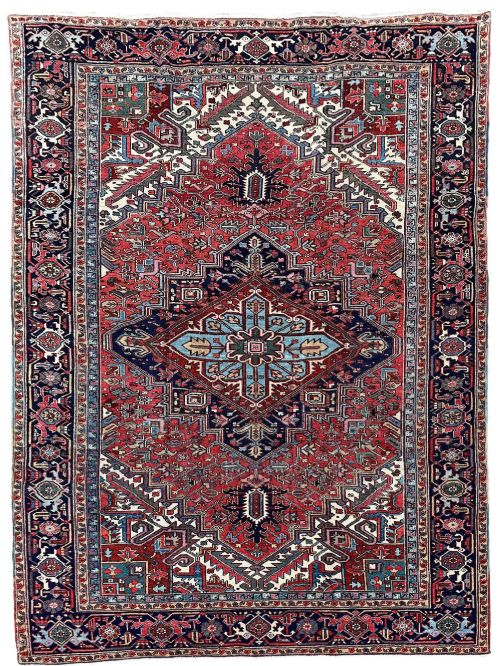
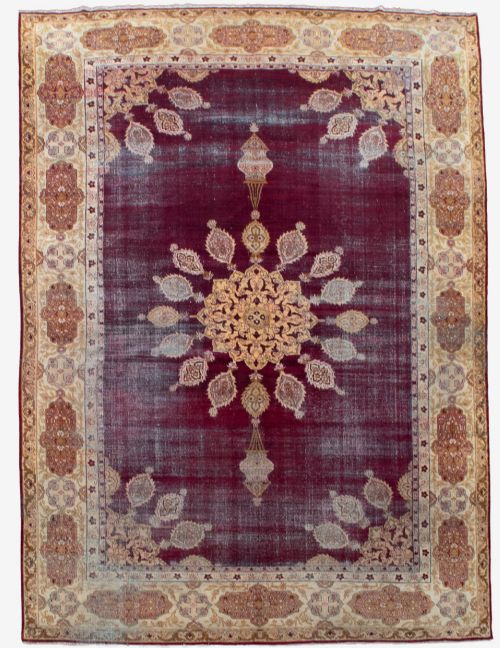
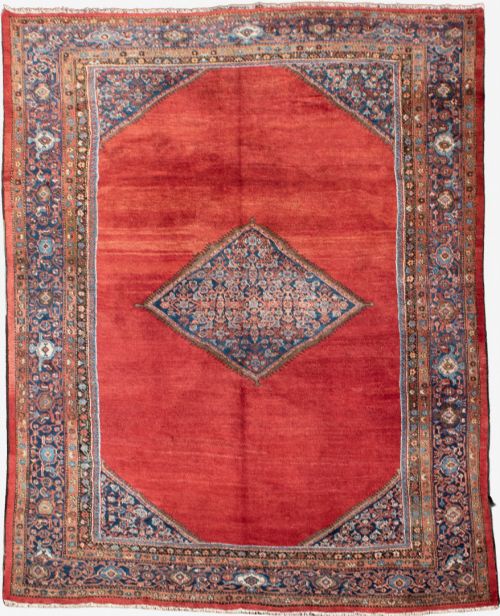
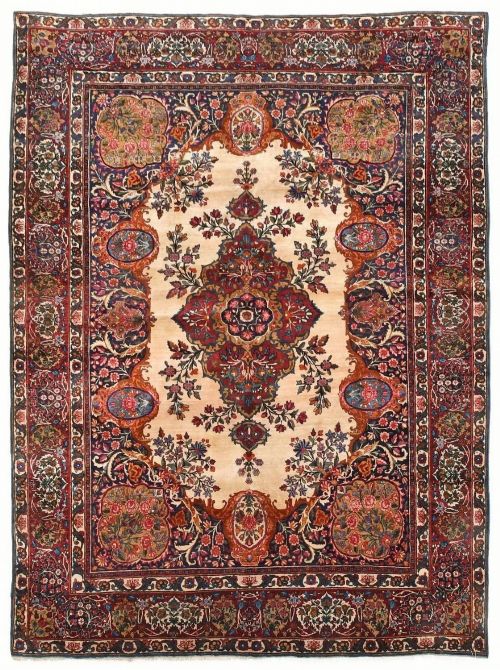


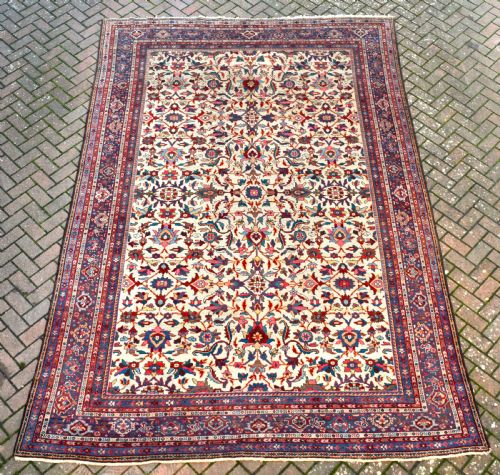


Antique Room Size Rug
An antique room size rug anchors a large interior with substantial presence and enduring warmth, offering historic patterns woven for generous floor spaces.
Antique Room Size Rug
An antique room size rug brings large-scale historical weaving into expansive domestic spaces, offering substantial floor coverage with significant visual weight. These pieces originate predominantly from traditional weaving regions across Persia, Turkey, India, and the Balkans, dating from the late nineteenth century through the early decades of the twentieth century.
The most common formats found here are generous area carpets and country house carpets designed to anchor principal reception rooms and halls. These large textiles combine complex central medallions or all-over repeat designs with robust dimensions suited to historic and contemporary interiors alike.
Distinctions in quality
Quality rests upon knot density, the precision of the drawing, and the integrity of the foundation materials. Finer examples display meticulous execution in curvilinear floral motifs or geometric medallions, maintaining structural stability across large dimensions.
The condition of the wool pile and the preservation of original borders significantly influence the overall integrity of the piece. Superior execution in natural dye saturation provides enduring visual richness that deepens gracefully over time.
Antique Room Size Rug Retail Price Guide 2026
Typical asking prices for room size rug among the pieces listed under this phrase on Sellingantiques today, from the lower quarter to the upper quarter. They describe what is for sale here now, not the wider market.
Listings feature nineteenth and early twentieth-century wool and cotton carpets from Persian, Turkish, Indian, and Balkan origins.
Ziegler And Co·Haji Jalili
The Antique Room Size Rug Glossary
- Medallion
- A central ornamental design motif placed in the middle of the carpet field. This focal element often dominates the compositional layout of Persian and Anatolian weaving.
- Pile
- The upright yarn loops forming the soft surface of the carpet. Wool pile provides warmth, cushioning, and durability underfoot.
- Warp
- The vertical threads stretched lengthwise on the loom before knotting begins. Cotton warps offer structural strength for large room size formats.
- Weft
- The horizontal threads passed across the warp strands to lock the knots in place. Tight weft beating contributes to a sturdier, longer-lasting textile.
- Kilim
- A flatwoven textile produced without a raised pile. These pieces rely on visible geometric weft-face patterns rather than knotted motifs.
Antique Room Size Rug: Frequently Asked Questions
How do I clean a large antique rug?
Gentle vacuuming without a rotating brush removes surface dust without stressing the historic wool pile.
Professional specialist washing remains essential for deep cleaning to protect fragile cotton foundations and natural dyes.
Where should a room size carpet go?
These large formats suit principal reception rooms, drawing rooms, and dining areas where they can anchor major furniture groupings.
Leaving an even border of exposed wooden flooring around the edges highlights the generous scale of the carpet.
How do I date an older carpet?
Stylistic markers, regional weaving characteristics, and structural materials provide reliable chronological indicators for nineteenth and early twentieth-century pieces.
Comparison with documented examples from specific decades helps narrow down the period of production.
Do antique carpets tolerate heavy foot traffic?
Sturdy wool construction and robust knotting allow many room size examples to withstand normal daily use in busy living spaces.
Using a quality underlay beneath the carpet absorbs impact and prevents slipping to reduce wear on the foundation.