




Antique Roman Bust
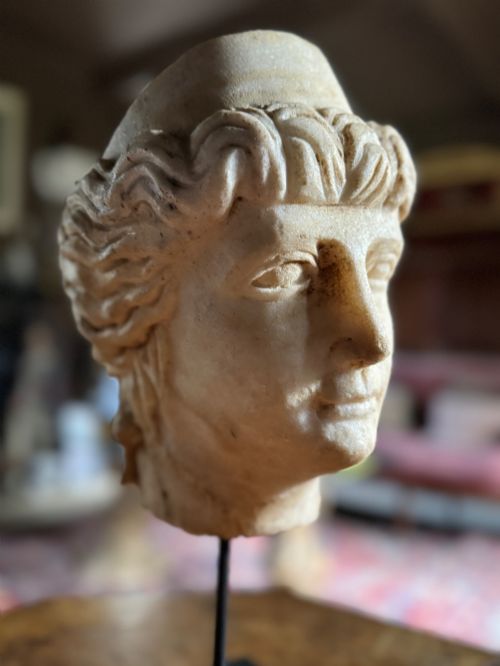
An antique roman bust brings classical authority into a room, capturing emperors, philosophers and mythological figures in marble, bronze and stone.
Antique Roman Bust
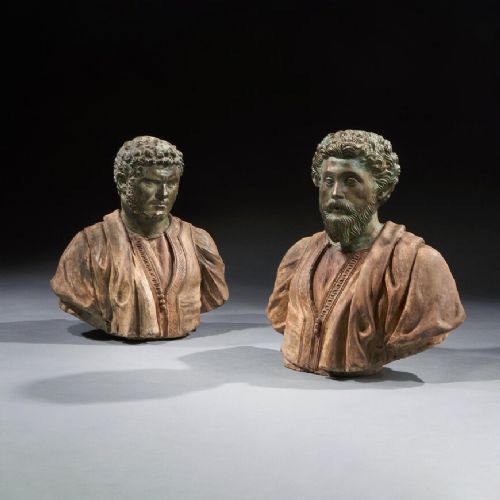
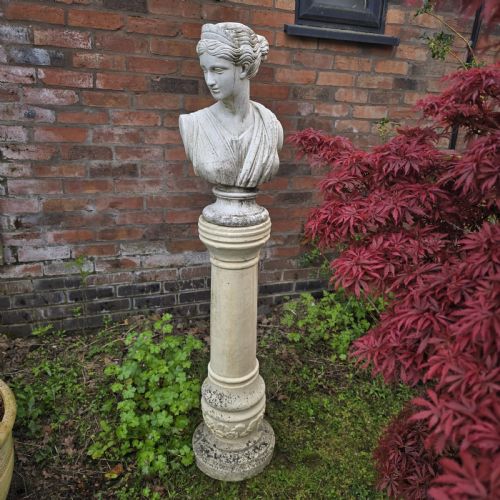
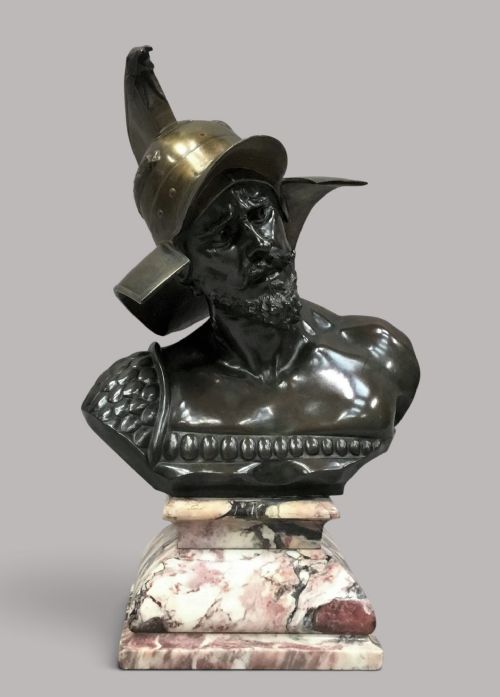
When you search for an antique roman bust, you find sculptural portraits of emperors, philosophers and deities originating from periods such as the seventeenth, eighteenth and nineteenth centuries. These pieces encompass carved marble heads, Grand Tour souvenirs and cast bronze studies derived from classical antiquity.
The most common versions on this page are nineteenth century Grand Tour bronzes and marble portraits depicting figures like Augustus, Marcus Aurelius and various classical deities. Sculptures range from small library busts to larger pedestal pieces, occasionally including relief plaques and glass paste works.
How they were made
Makers shaped these sculptures primarily from marble and bronze, often utilising traditional carving techniques for stone and lost-wax casting for metalwork. Bronze versions frequently display a verdigris patina, achieved through chemical treatment or natural ageing to simulate ancient surfaces.
Artists also employed terracotta, iron, glass paste and plaster, capturing intricate facial expressions and drapery details through meticulous hand-finishing. Relief plaques demonstrate cameo carving methods, layering contrasting materials to create distinct profile portraits.
Antique Roman Bust Retail Price Guide 2026
Typical asking prices for roman bust among the pieces listed under this phrase on Sellingantiques today, from the lower quarter to the upper quarter. They describe what is for sale here now, not the wider market.
Materials in these listings span marble, bronze, stone, terracotta, iron, plaster and glass paste.
What varies in quality
The degree of anatomical precision and expressive depth distinguishes finer portraiture from simpler decorative casts. Masterful handling of hair, musculature and gaze separates workshop pieces intended for Grand Tour travellers from standard commercial souvenirs.
Material selection dictates the character of the sculpture, with high-grade marbles showing subtle veining and properly finished bronzes exhibiting rich patination. The crispness of chisel work or the fidelity of a bronze cast reflects the skill invested by the sculptor.
Mathurin Moreau·Richard Aurili
The Antique Roman Bust Glossary
- Grand Tour
- A cultural journey undertaken by wealthy young Europeans through Italy during the eighteenth and nineteenth centuries, acquiring souvenirs such as bronze and marble busts.
- Verdigris patina
- A green layer formed on copper, brass or bronze through natural weathering or chemical application, mimicking the appearance of ancient excavated artefacts.
- Glass paste
- A material created from crushed glass mixed with binding agents and fired in a mould, used here to produce detailed miniature or sculptural pieces.
- Neoclassical
- A Western cultural movement drawing inspiration from the classical art and culture of ancient Greece and Rome, dominant during the eighteenth and nineteenth centuries.
- Bas-relief
- A sculptural technique where figures project only slightly from the background plane, frequently seen on carved cameo profile portraits.
Antique Roman Bust: Frequently Asked Questions
What is a Grand Tour bust?
A Grand Tour bust is a miniature or reduced-scale souvenir acquired by travellers visiting classical Italian sites during the eighteenth and nineteenth centuries.
These educational and decorative pieces were cast in bronze or carved in marble to replicate famous antique statues found in museums and private collections.
How do I identify marble types?
Marble identification involves examining the grain, colouration and translucency of the stone under natural light.
Italian marbles used in classical and neoclassical sculpture often exhibit distinctive crystalline structures and natural veining patterns.
Where should I display a bust?
These sculptures suit sturdy placement on library shelves, mantelpieces or dedicated pedestals where lighting highlights facial contours.
Ensure the support can bear the substantial weight of marble or bronze without risking instability.
How do I clean bronze patinas?
Bronze patinas require gentle dusting with a soft dry cloth to prevent accumulation without disturbing the chemical surface layer.
Avoid commercial polishes or water, as moisture and abrasives can permanently damage historical patination.