



Antique Roman Art
These pieces of antique roman art capture classical antiquity and later interpretations through prints, watercolours, and sculptures.
Antique Roman Art
When someone searches for antique roman art, they encounter a diverse selection of works spanning several centuries, from seventeenth-century etchings to nineteenth-century Grand Tour watercolours. The items range from architectural prints and oil paintings of classical ruins to terracotta and bronze sculptures after ancient models.
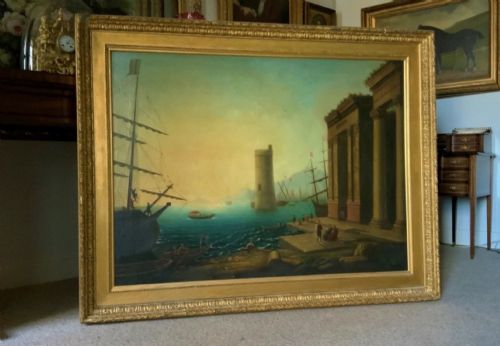
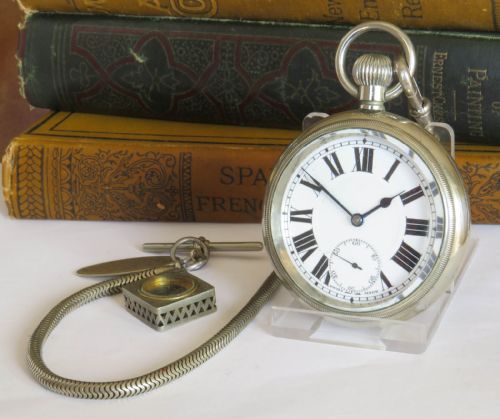
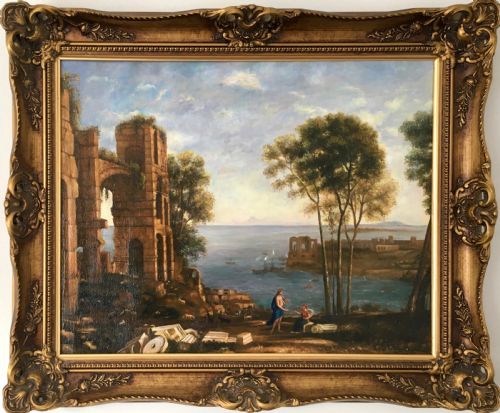
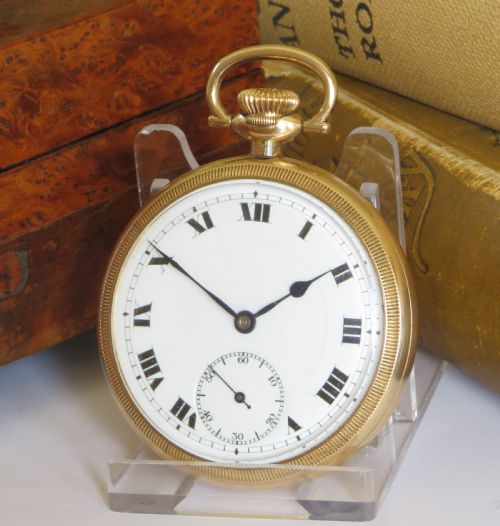
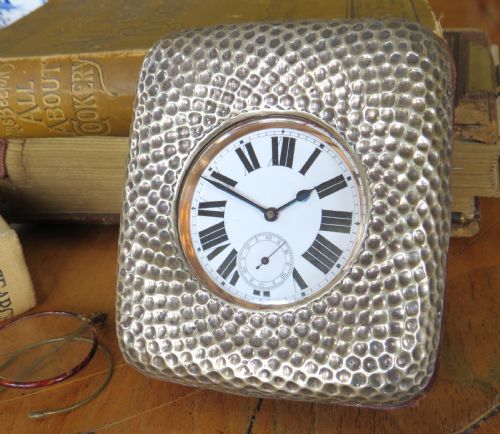
The most common representations on this page are paper works, including engravings and watercolours depicting iconic sites like the Colosseum, the Forum, and Pompeii. Buyers also regularly find pocket watches alongside paintings that evoke Italian landscapes with classical ruins.
Materials and construction methods
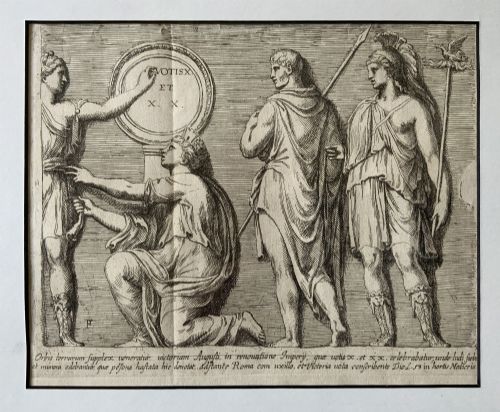
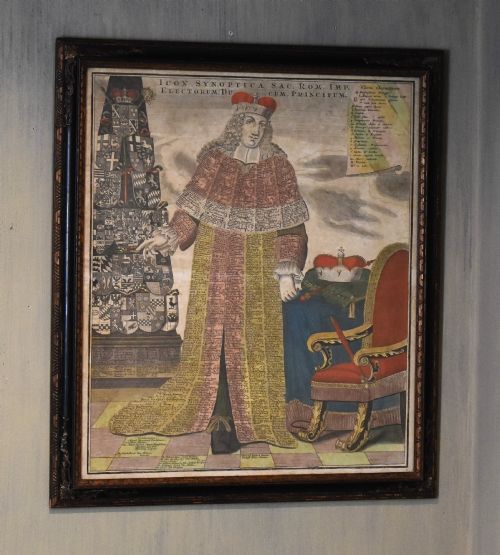
The works rely upon traditional media such as watercolour, oil on canvas, ink, and paper for the flat artworks, capturing fine details of classical architecture and portraiture. Etchings and engravings utilise copper plates to reproduce detailed architectural scenes and mythological subjects.
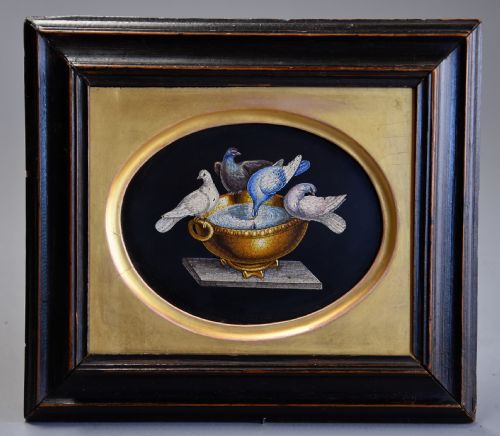
Three-dimensional pieces employ terracotta, bronze, and pottery, translating ancient marble statues into smaller reductions and figures. Frames often incorporate wood and ebonised finishes to house micromosaics, paintings, and prints.
Antique Roman Art Retail Price Guide 2026
Typical asking prices for roman art among the pieces listed under this phrase on Sellingantiques today, from the lower quarter to the upper quarter. They describe what is for sale here now, not the wider market.
Listings feature paper works, watercolours, and oils alongside bronze and terracotta sculptures from the seventeenth to the twentieth century.
Distinctions in quality and execution
Quality in these works rests upon the fidelity of the draughtsmanship, the clarity of the plate impression in prints, and the precision of the modelling in sculptures. Earlier seventeenth-century etchings demonstrate fine line work, while Grand Tour watercolours vary in the vibrancy of their palette and the accuracy of architectural perspective.
François Perrier·Goldscheider pottery·Globe Watch Co·Meyer & Studeli·Giovanni Paolo Panini·Francesco Piranesi·Ettore Ascenzi·Nathaniel Hone
The Antique Roman Art Glossary
- Grand Tour
- A traditional trip of Europe undertaken by upper-class European young men of means to flourish their cultural education. Objects acquired during this travel often include watercolours and bronze souvenirs.
- Capriccio
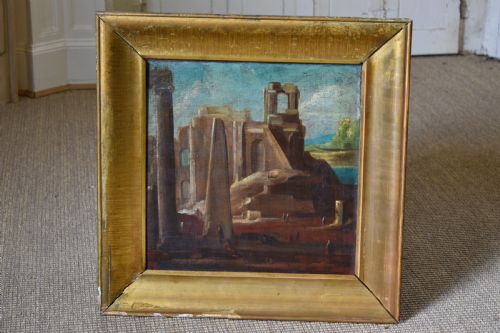
- An architectural fantasy placing together buildings, archaeological ruins and other architectural elements in a fictional compositional arrangement. Painters often used this style to celebrate classical Italian landscapes.
- Etchings
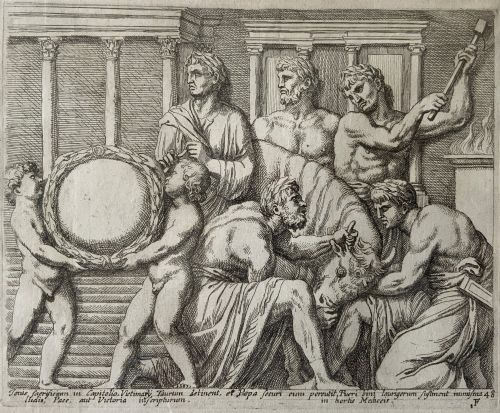
- An intaglio printmaking process where acid is utilised to cut into the unprotected parts of a metal surface to create a design in intaglio. François Perrier and Francesco Piranesi employed this technique for classical subjects.
- Micromosaic
- A mosaic created using tiny glass tesserae fused together to form detailed pictorial plaques. These items were frequently mounted in frames as travel souvenirs.
- Terracotta
- Baked red-brown clay used for forming sculptures and pottery figures. The material allows for fine hand-modelling before firing.
Antique Roman Art: Frequently Asked Questions
What is a Grand Tour watercolour?
Grand Tour watercolours are portable artworks created during the eighteenth and nineteenth centuries for travellers touring historical sites in Italy.
Artists painted views of ancient ruins, temples, and streetscapes like the Spanish Steps or the Forum as lasting visual records of their travels.
How do I identify a seventeenth-century etching?
Seventeenth-century etchings are printed on early laid paper, often displaying watermarks and plate marks from the printing press.
Works by printmakers like François Perrier focus on classical antiquity and baroque interpretations with distinct, fine ink lines.
Where were micromosaic plaques displayed?
Micromosaic plaques were typically mounted in protective frames, such as ebonised wood cases, to be hung on walls or kept on desks.
They depict famous Italian subjects, such as the Doves of Pliny, using microscopic pieces of coloured glass.
What subjects appear in classical prints?
Classical prints commonly feature architectural scenes, archaeological ruins, statues of Greek and Roman gods, and mythological figures.
Publishers produced sets of architectural scenes and engravings of antiquities from Herculaneum and Rome for collectors of classical history.