


Antique Rococo Frame
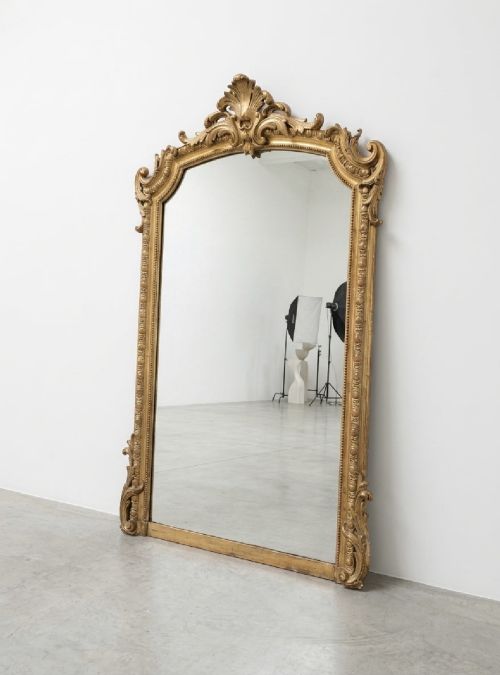
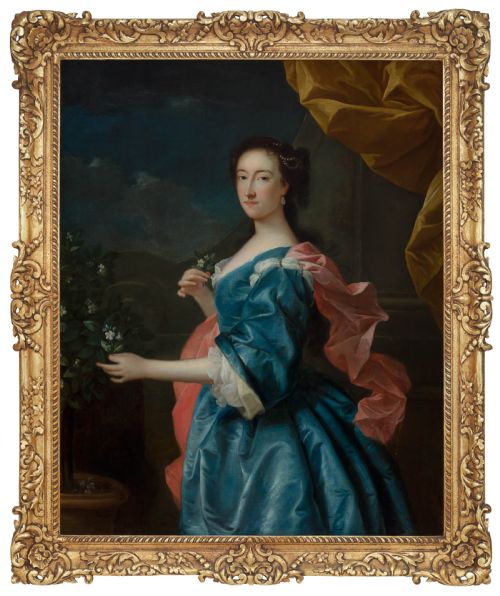
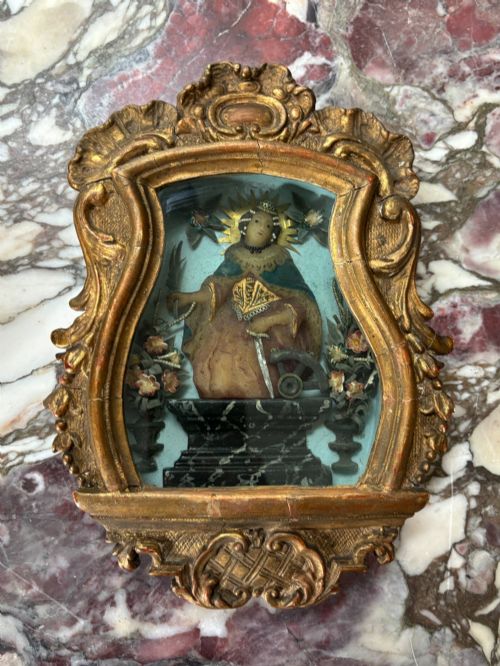
When you search for an antique rococo frame, you encounter ornate woodwork, gesso carvings and wall mirrors originating from the eighteenth and nineteenth centuries.
Antique Rococo Frame
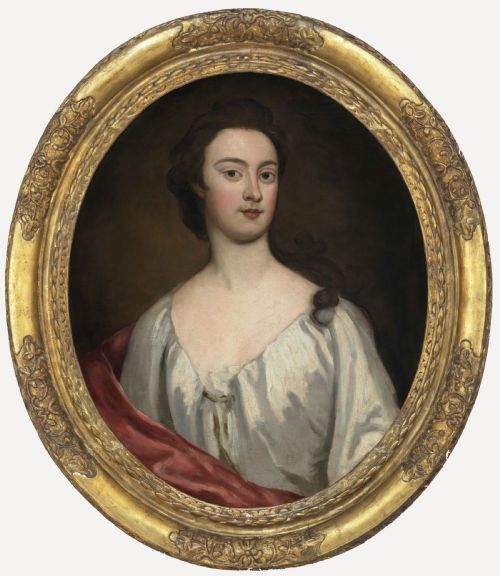
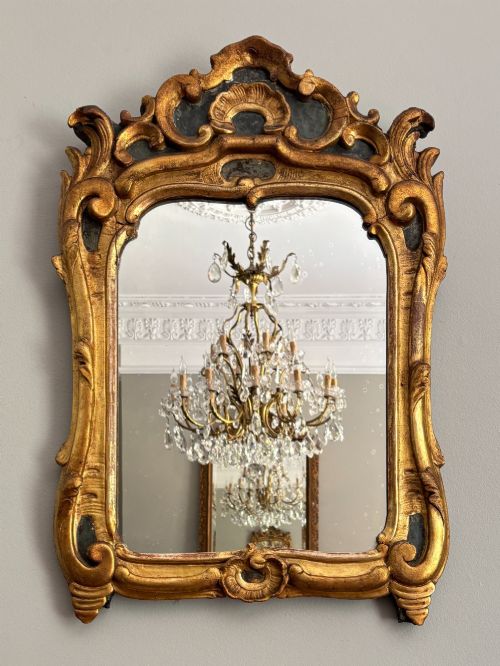
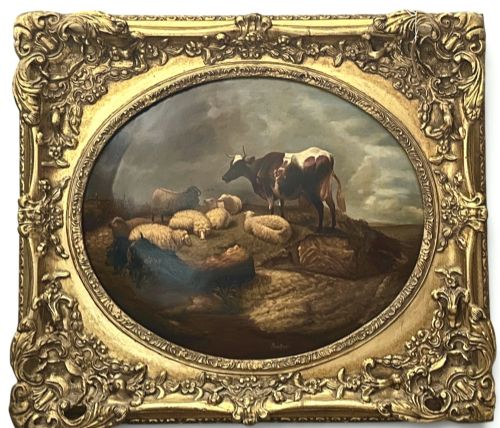
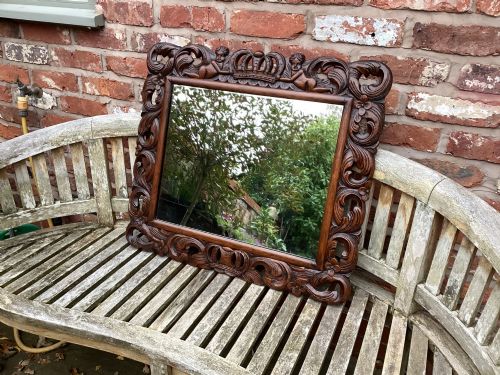
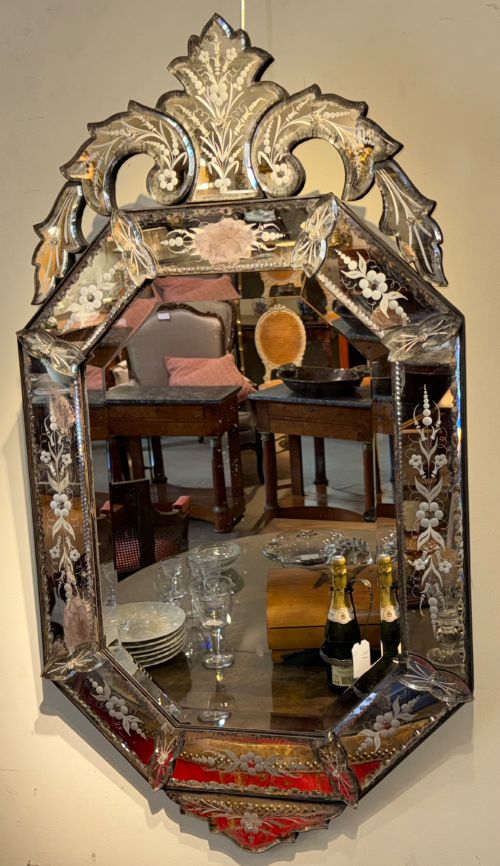
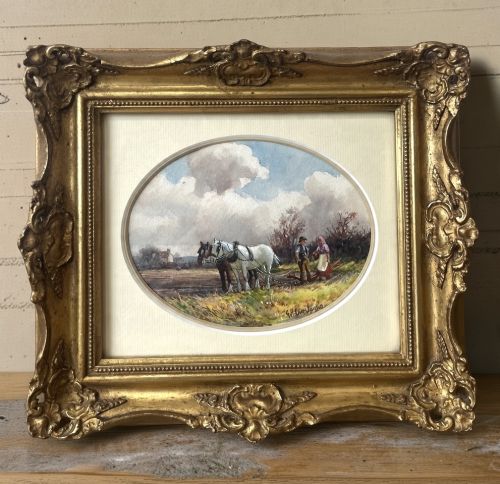
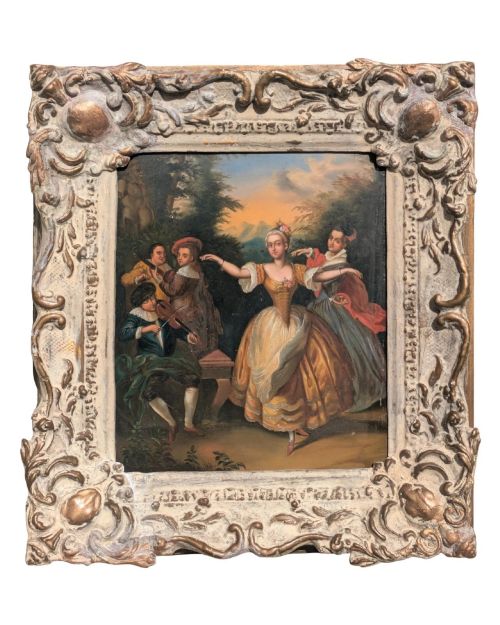
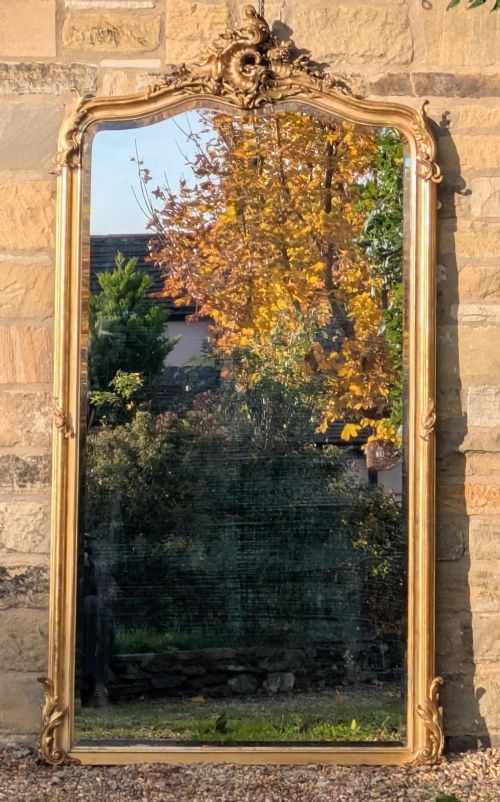
An antique rococo frame most commonly appears on wall mirrors, overmantels and paintings originating from French, Italian and English workshops. These pieces span the eighteenth century through the Victorian era and later revivals, preserving asymmetrical scrolling foliage and shell motifs.
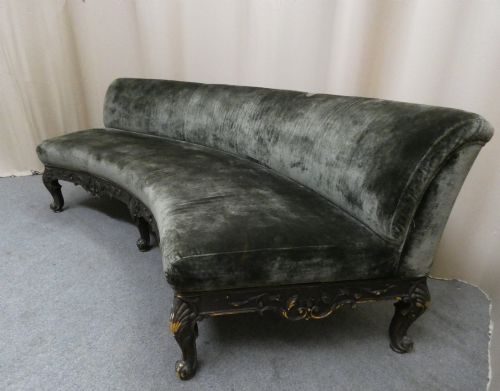
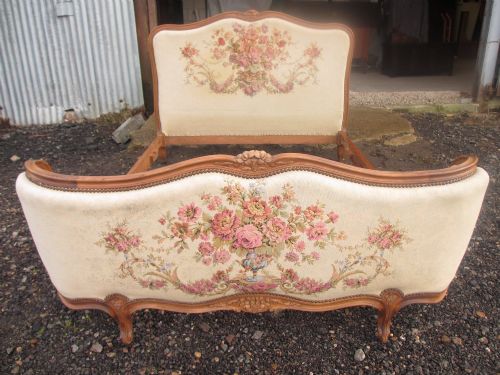
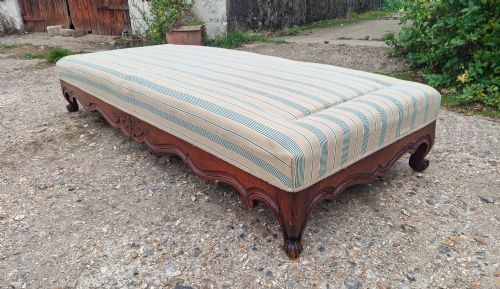
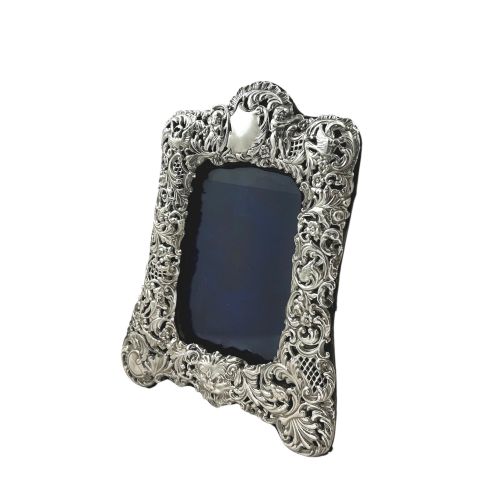
Beyond mirrors and canvas borders, the evidence includes carved wooden beds, armchairs and silver photo frames adopting the same scrolling stylistic vocabulary. Buyers meet larger giltwood wall hanging items alongside smaller domestic objects.
French and Italian pieces dominate the selections, alongside English adaptations from the nineteenth century. These items bring period character into domestic spaces through heavily carved wooden structures.
Craftsmanship and Depth
Quality rests in the crispness and depth of the gesso and wood carving. Sharply defined scrolls and undercutting demonstrate skilled hand labour by period artisans.
The integrity of the original gilding and the preservation of the underlying wood determine the visual weight of the piece. Deeper relief work separates standard production from exceptional examples.
Antique Rococo Frame Retail Price Guide 2026
Typical asking prices for rococo frame among the pieces listed under this phrase on Sellingantiques today, from the lower quarter to the upper quarter. They describe what is for sale here now, not the wider market.
Listings feature periods spanning from the eighteenth century through the nineteen-thirties, utilising materials including giltwood, gesso, sterling silver and oil on canvas.
Henry Pickering·Francois Boucher·Charles Antoine Coypel·Jean Baptiste Van Loo·Rosenthal Jacob And Co
The Antique Rococo Frame Glossary
- Giltwood
- Wood that has been coated with gold leaf. This finish defines many decorative frames and mirrors from the period.
- Gesso
- A plaster mixture applied to wood surfaces as a base for carving and gilding. Artisans model this material to achieve high relief ornamentation.
- Trumeau
- An architectural mirror panel often incorporating an oil painting above the glass. These items originated in French interiors.
- Overmantel mirror
- A large wall mirror designed to hang above a fireplace mantel. These pieces frequently feature shaped tops and ornate crestings.
- Rococo revival
- A nineteenth-century artistic movement that imitated eighteenth-century French decorative styles. This aesthetic produced heavy carved wooden frames and furniture.
Antique Rococo Frame: Frequently Asked Questions
What periods do these frames represent?
The pieces span from the eighteenth century into the nineteenth and early twentieth centuries. They encompass original Georgian and French production alongside later Victorian revival periods.
Craftsmen across these eras reused traditional carving techniques and motifs. Stylistic details help distinguish eighteenth-century originals from later nineteenth-century interpretations.
How were these frames used historically?
Mirrors and paintings hung in principal reception rooms to reflect light and display wealth. Smaller silver versions sat on nineteenth-century household desks and dressing tables.
Overmantel mirrors positioned themselves permanently above fireplaces as architectural focal points. Beds and armchairs integrated the carved style into domestic seating and sleeping quarters.
How do I live with an antique frame?
These items anchor interior spaces as wall decorations or functional furniture. Their heavy carved wooden presence pairs well with period and modern room layouts alike.
Placement away from direct moisture protects the underlying gesso and gold leaf surfaces. Secure wall fixings support the considerable weight of large wooden overmantel mirrors.
How do I tell styles apart?
Eighteenth-century examples display fluid carving and organic asymmetry. Nineteenth-century revival pieces often feature heavier proportions and denser gesso ornamentation.
Regional differences also emerge between French, Italian and English workshops. Italian pieces frequently utilise polychrome paint alongside gilding, while English iterations tend toward robust mahogany or giltwood.