


Antique Rockingham Ceramics
Antique rockingham ceramics bring vibrant colour and intricate hand-painting to a room, offering tactile connection to nineteenth-century kiln artistry.
Antique Rockingham Ceramics
When searching for antique rockingham ceramics, buyers encounter a diverse selection of nineteenth-century tableware, decorative baskets, and figural ornaments. These pieces span Georgian and Victorian periods, showcasing notable regional English pottery traditions.
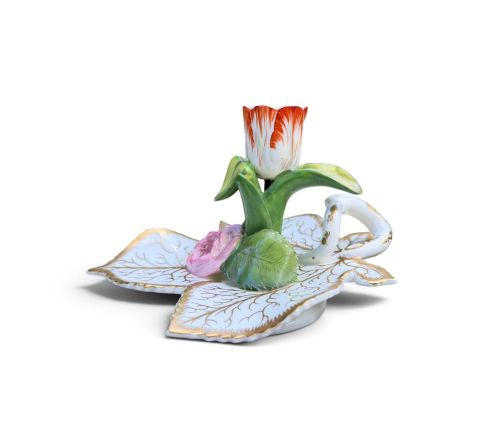
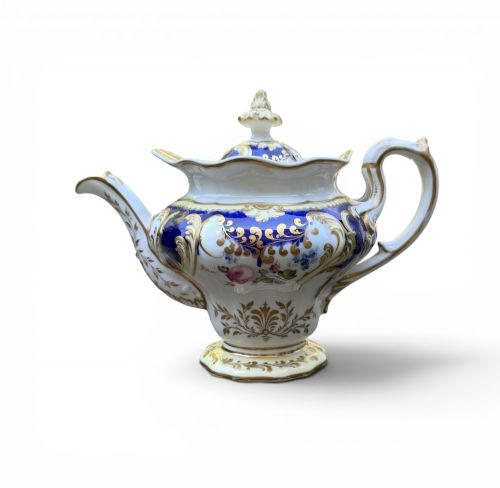
The objects available range from finely painted porcelain tea services and floral encrusted baskets to robust earthenware and stoneware animal figures. Treacle glazed lions and bargeware teapots frequently appear, representing distinct nineteenth-century styles.
Originating primarily from English kilns, these items reflect the rich decorative tastes of the nineteenth century. Buyers find both delicate cabinet pieces and heavier domestic pottery suited to traditional interiors.
How They Were Made
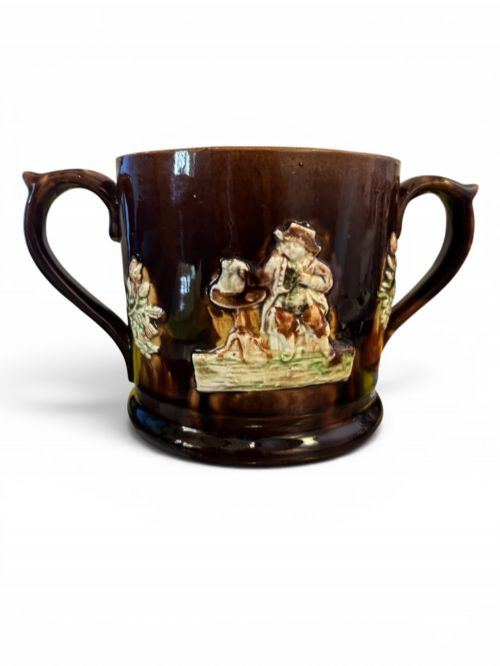
Potters utilised porcelain and earthenware bodies, shaping them into elaborate teapots, vessels, and figures. Rich lead glazes, particularly the characteristic deep brown treacle glaze, provided a glossy surface finish.
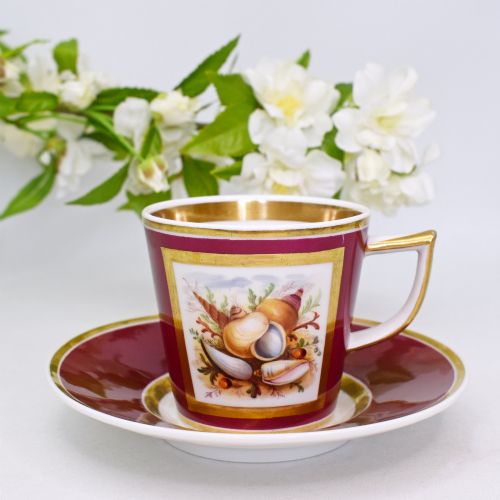
Decoration relied on skilled hand-painting, applied floral elements, and detailed gilding with gold leaf. Enamel colours were fused to the ceramic surface through multiple kiln firings to achieve lasting brilliance.
Current listings feature nineteenth-century porcelain and earthenware, spanning Georgian and Victorian styles alongside utilitarian bargeware.
What Varies in Quality
Quality in these ceramics depends upon the precision of the hand-painted details and the crispness of applied floral ornaments. Superior items display finely rendered landscape views and carefully preserved gilding.
The depth and consistency of the lead glaze or treacle glaze indicate workshop proficiency. Well-defined moulding in figural pieces separates finer cabinet examples from standard domestic ware.
Yates Leeds·Lancaster and Sons of Hanley
The Antique Rockingham Ceramics Glossary
- Treacle glaze
- A rich, dark brown lead glaze commonly used on nineteenth-century earthenware and figures to create a glossy, translucent finish. It gives pieces like ceramic lions their distinctive deep colour.
- Gilding
- The application of gold leaf or gold paint to ceramic surfaces for decorative highlights. It often accents rims, handles, and floral panels on porcelain.
- Enamel
- Opaque coloured glass fused to the ceramic body during firing. Used for detailed hand-painted scenes and floral motifs.
- Bargeware
- Traditional English folk pottery characterised by bold applied decoration and rich glazes, often associated with canal boat life. These pieces include large teapots and jugs.
- Chamberstick
- A short candlestick fitted with a wide drip pan and a handle for carrying from room to room. Porcelain examples were popular in Georgian and Victorian households.
Antique Rockingham Ceramics: Frequently Asked Questions
What defines antique rockingham ceramics?
These pieces comprise nineteenth-century porcelain and earthenware items produced in English potteries, often recognised by rich glazes and floral decoration.
Buyers encounter everything from tea services to decorative baskets and figural ornaments within this broad category.
How do I care for antique ceramic figures?
Display these items away from direct sunlight and heavy foot traffic to protect delicate applied flowers and gold leaf.
Dust them gently with a soft dry brush, avoiding water immersion or harsh cleaning agents.
Where were these ceramics produced?
Production centred in English potteries, including Staffordshire and Leeds workshops, during the Georgian and Victorian eras.
Regional makers developed distinct styles ranging from refined porcelain views to folk art earthenware.
How can I identify the period?
Stylistic indicators such as Rococo Revival curves, floral encrustations, and glaze types help date pieces to the nineteenth century.
Backstamps, where present, provide further clues to specific eras and manufacturing origins.