



Antique River Cityscape
An antique river cityscape captures the steady pulse of historic waterways, bringing architectural grandeur and bustling urban traffic into domestic rooms through oils and watercolours.
Antique River Cityscape
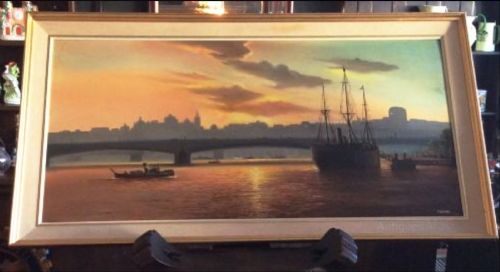
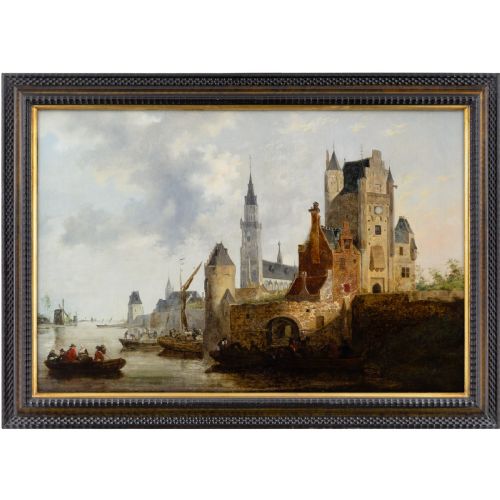
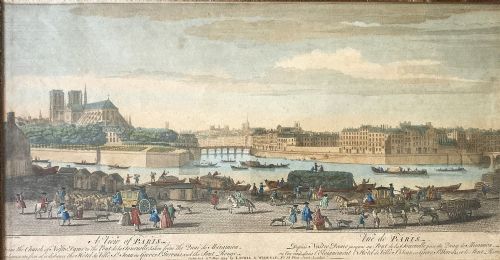
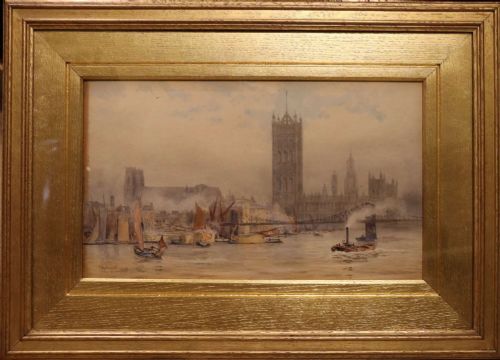
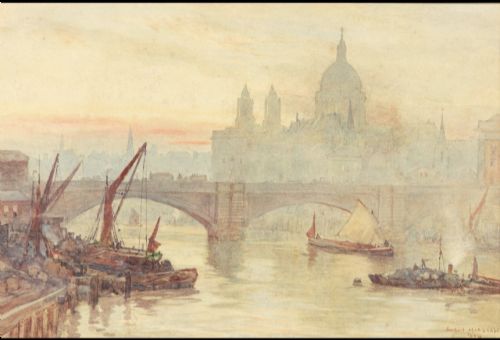
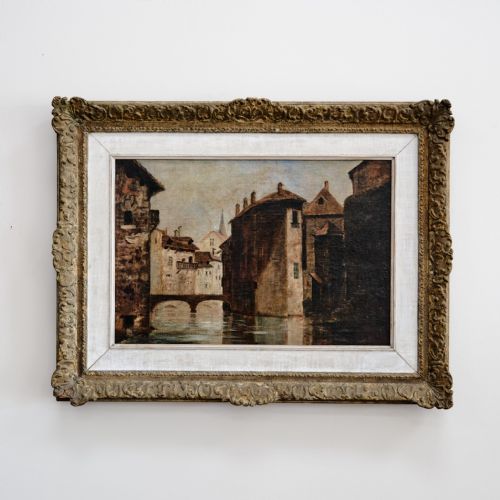
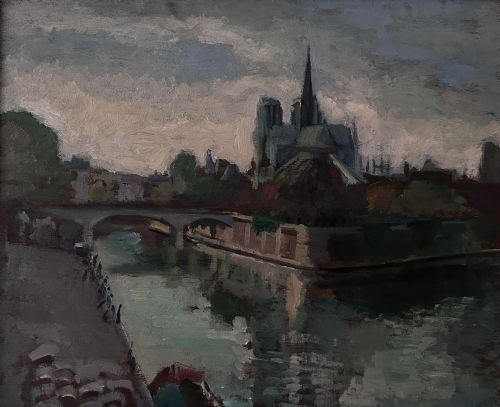
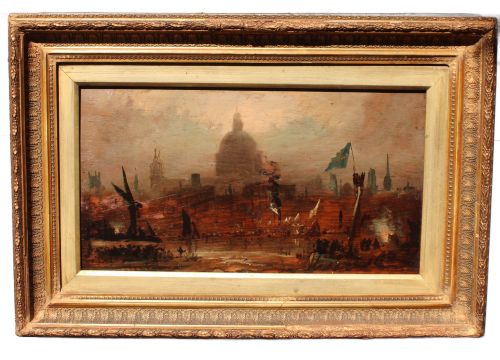
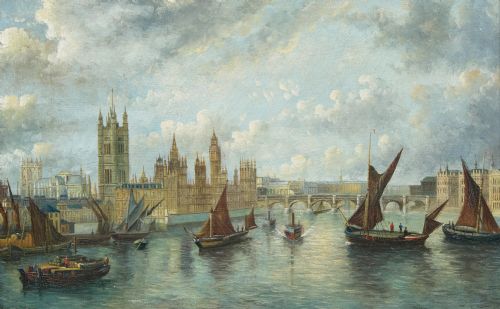
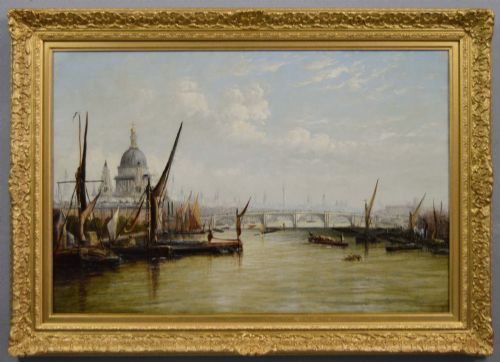
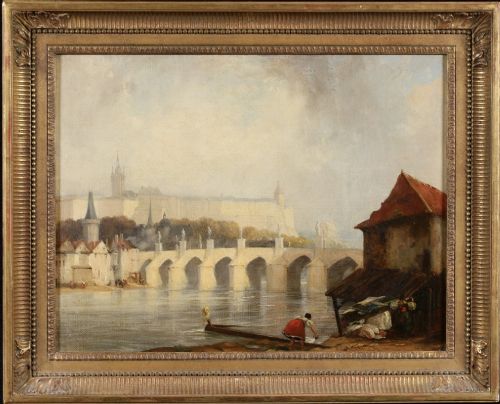
An antique river cityscape presents prominent urban centres bordered by major waterways, recording landmarks such as St Paul's Cathedral, the Houses of Parliament, and bridges across London, Paris, Prague, and other locations. These works document specific views along the Thames, the Seine, and foreign rivers from past centuries.
The version most commonly met on this page is the watercolour painting or the oil on canvas, produced from the eighteenth century through to the mid twentieth century. These pieces range from intimate topographical watercolours to expansive oil paintings depicting bustling maritime traffic, historic processions, and quiet riverbanks.
Works span various aesthetic movements, including Romanticism, Victorian fine art, and Post-Impressionism, reflecting how different generations observed urban waterways. Whether executed as delicate hand-coloured prints or heavy oil studies, each piece records the changing character of river life and city architecture over time.
How they were made
Painters and printmakers utilised oil on canvas, watercolour on paper, and engraved plates finished with hand colouring to capture atmospheric river scenes. Wood and gesso often form the foundation of period frames that house these works, while gold leaf occasionally highlights decorative mouldings.
Techniques range from rapid oil sketches and fluid watercolour washes to detailed engraving and etching printed on paper. Artists balanced precise architectural rendering of bridges and cathedrals with loose brushwork depicting water reflections and passing river craft.
Antique River Cityscape Retail Price Guide 2026
Typical asking prices for river cityscape among the pieces listed under this phrase on Sellingantiques today, from the lower quarter to the upper quarter. They describe what is for sale here now, not the wider market.
Several watercolours preserve the exact atmospheric smog of nineteenth-century London, proving that artists found beauty in industrial haze.
What varies in quality
The distinction between standard topographical records and superior works rests upon the artist's command of light, atmospheric depth, and composition. Master painters handle the interplay of river mist, stone architecture, and water movement with a sure hand that elevates a simple view into a compelling study.
Materials and execution also set pieces apart, from finely detailed watercolours and substantial oil paintings on canvas to mass-produced printed reproductions. Original works by known painters command greater interest than anonymous views, supported by the survival of original frames and unblemished surfaces.
Herbert Menzies Marshall·Francis Moltino·Claes Jansz Visscher·Pierre Peltier
The Antique River Cityscape Glossary
- Watercolour
- A paint consisting of a pigment suspended in a water-soluble binder, traditionally applied to paper to create translucent washes of colour. It is frequently employed for light, portable topographical views.
- Oil on Canvas
- A painting medium where pigments are bound with drying oils and applied to a stretched woven fabric support. This technique allows for rich texture, depth, and broad tonal ranges.
- Engraving
- A printmaking process where an image is incised into a metal plate, which is then inked and pressed onto paper to produce sharp linear details. Early examples often feature subsequent hand colouring.
- Gesso
- A plaster-like mixture applied to wood or canvas surfaces to prepare them for painting or to build up decorative relief on picture frames. It provides a smooth, stable base for gilding and fine work.
- Post-Impressionism
- An art movement developing roughly from the late nineteenth century that extended Impressionism while rejecting its limitations. Artists prioritised symbolic content, expressive brushwork, and distinct geometric forms.
Antique River Cityscape: Frequently Asked Questions
What subjects appear in these scenes?
These works focus primarily on urban waterways featuring bridges, cathedrals, and bustling river traffic such as tug boats and sailing vessels. Famous landmarks along the Thames and the Seine frequently anchor the composition.
Artists also documented historic pageants, processions, and everyday river life across major European cities during the eighteenth, nineteenth, and early twentieth centuries.
How should I hang an oil painting?
Hang oil paintings on sturdy walls away from direct sunlight and sudden temperature shifts to protect the canvas and the supporting wooden stretcher frame. Stable interior environments prevent the paint layer from cracking over time.
Ensure the weight is properly supported by appropriate fixings, particularly for large works housed in heavy gesso and wood frames.
Are watercolours sensitive to light?
Watercolours on paper are susceptible to fading when exposed to direct, strong sunlight over extended periods. Framing them behind protective glass helps shield the delicate pigments from environmental damage.
Positioning these works in rooms with diffused, indirect lighting preserves the vibrancy of the original washes.
How do I identify the period of a work?
Dating relies upon stylistic clues within the architecture, the costume of any figures present, and the physical characteristics of the paper, canvas, or frame. Victorian and Edwardian pieces often display distinct handling of urban atmosphere compared to earlier Georgian works.
Signatures, dates inscribed by the artist, and archival records further clarify the precise era of production.