


Antique Repousse Box
An antique repousse box brings sculptural metalwork and intricate surface relief into domestic spaces, offering small-scale storage crafted with hammered depth.
Antique Repousse Box
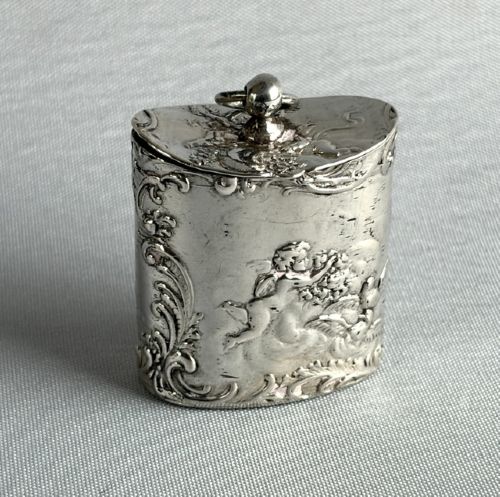
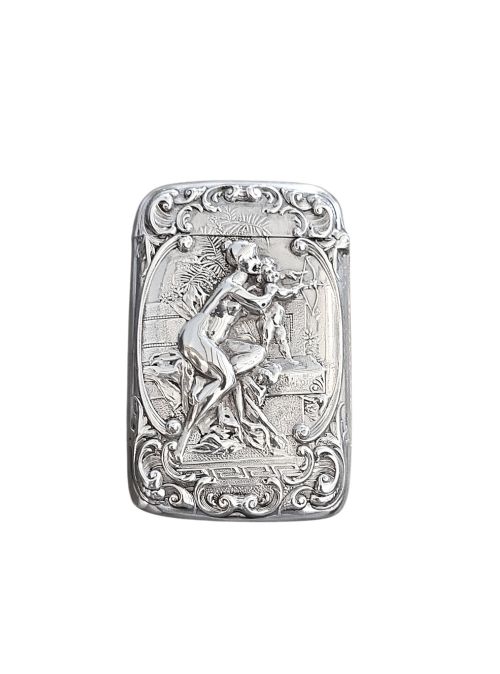
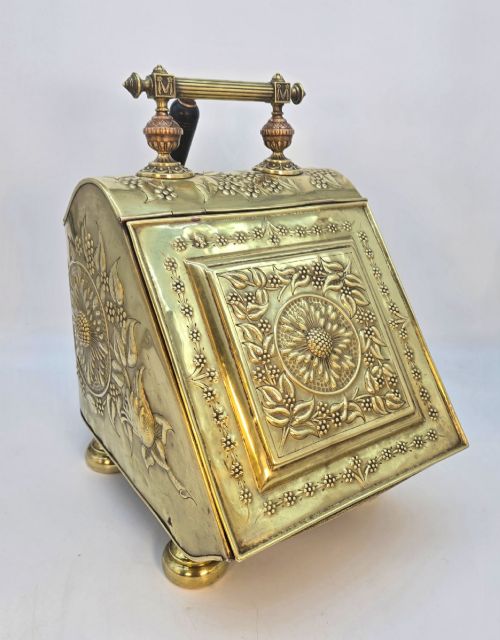
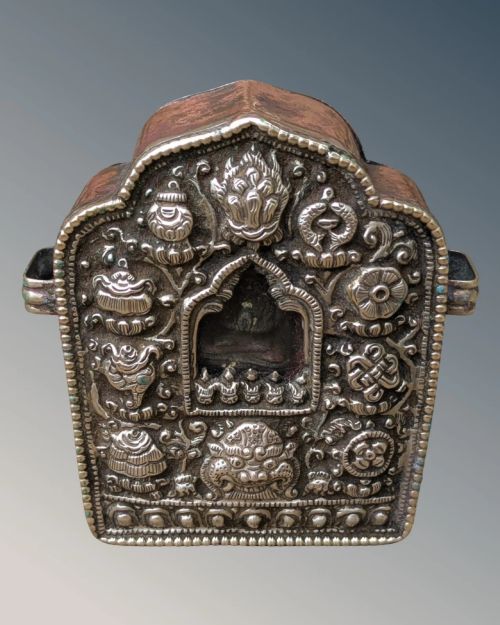
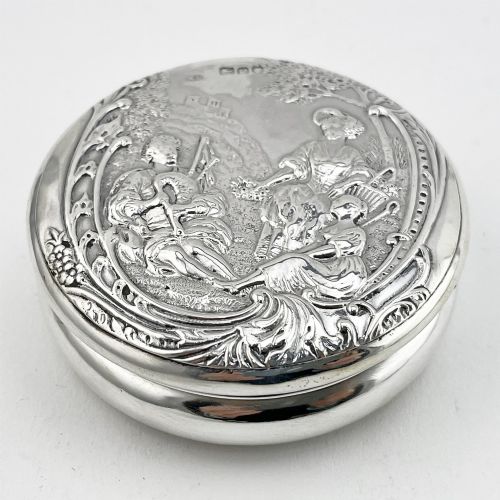
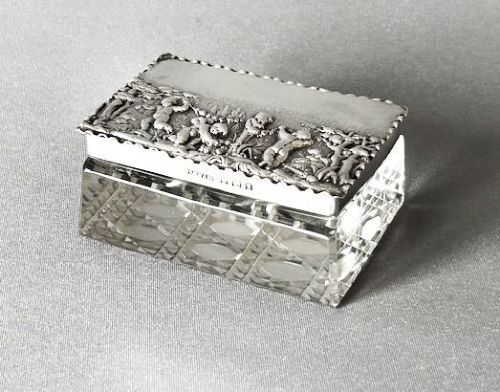
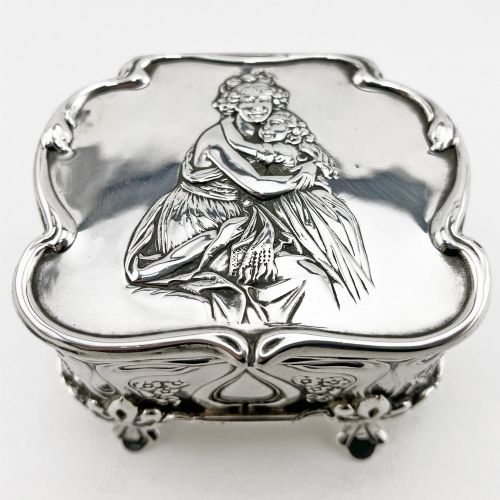
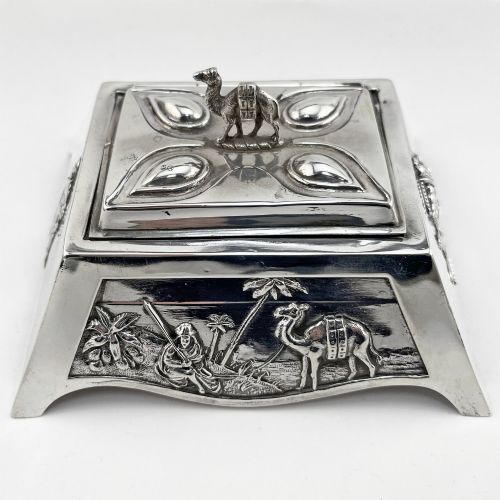
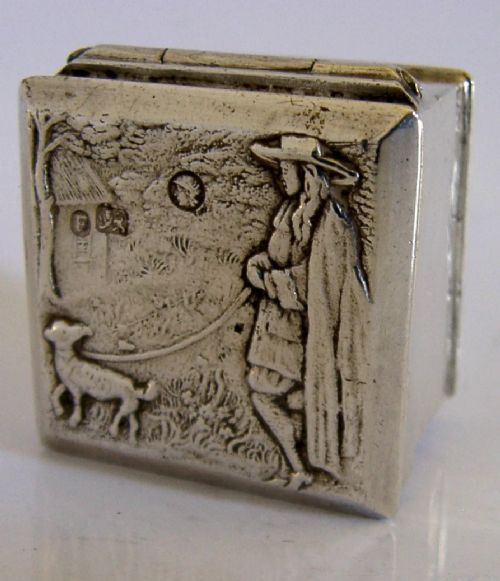
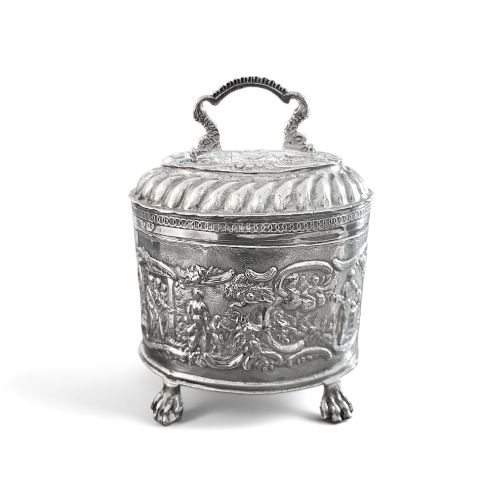
An antique repousse box is a small lidded vessel shaped to hold trinkets, snuff, tea, or cigarettes, distinguished by its worked metal exterior. These pieces appear primarily in sterling and solid silver, alongside brass and copper variants.
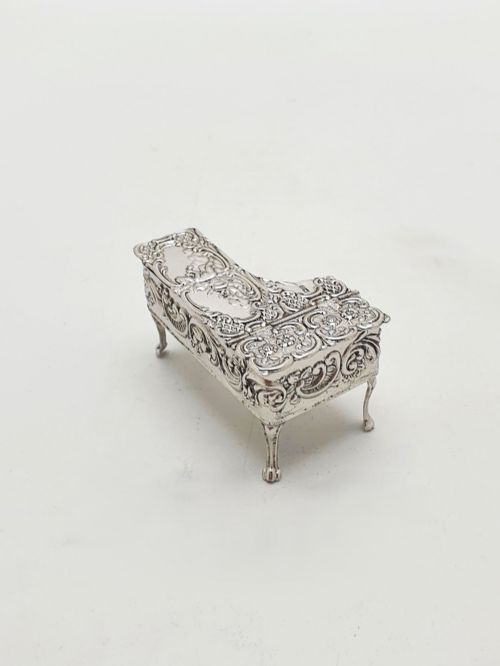
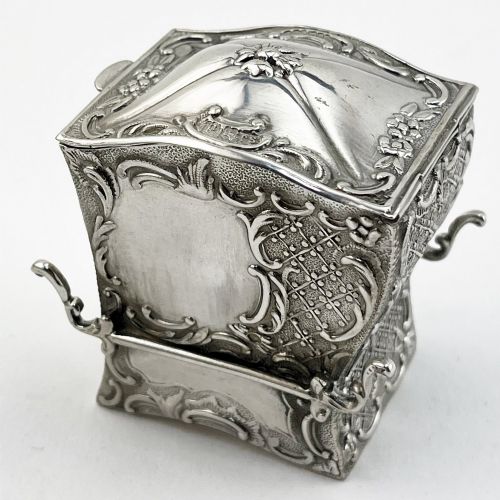
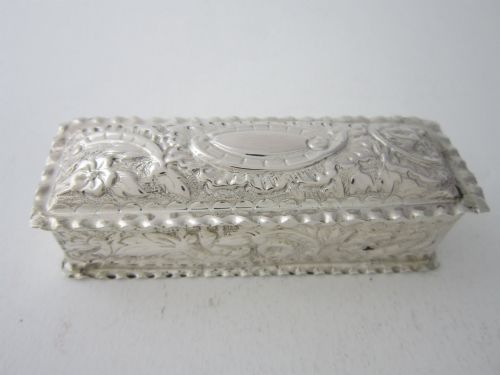
The selection ranges from Victorian and Edwardian English pieces to continental European and Anglo-Indian work spanning the nineteenth and early twentieth centuries. Forms vary from tea caddies and pill boxes to desk chests and heart-shaped trinket containers.
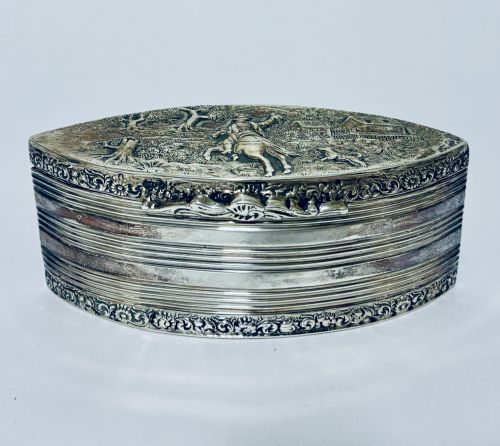
Buyers encounter domestic storage items driven by historical utility, produced across distinct regional workshops that favoured embossed floral, figural, or architectural motifs. Each specimen preserves the hand-formed character typical of its period of origin.
Materials and construction
Makers formed these items using solid silver, sterling, brass, and copper, sometimes applying a silver gilt interior to protect the metal from corrosive contents like snuff. Internal linings of velvet or satin appear in select dressing table pieces.
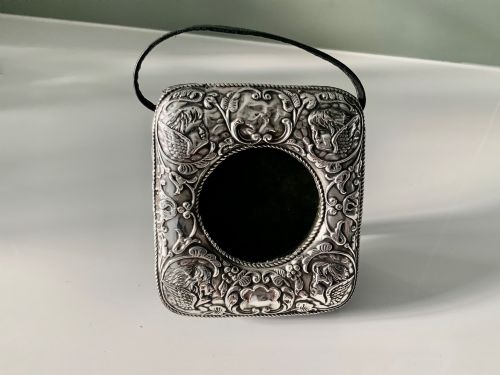
The defining characteristic relies on repousse and chasing techniques, where metal is hammered from the reverse side to raise high-relief ornamentation before being refined on the front with punches and chisels.
Antique Repousse Box Retail Price Guide 2026
Typical asking prices for repousse box among the pieces listed under this phrase on Sellingantiques today, from the lower quarter to the upper quarter. They describe what is for sale here now, not the wider market.
Certain Victorian trinket boxes were shaped specifically as lucky horseshoes, miniature sedan chairs, or beating human hearts.
Qualities of distinction
Depth and crispness of the hammered relief separate standard production from superior examples, as skilled metalworkers achieved sharper contours and more complex figurative or botanical scenes without thinning the metal sheet dangerously.
Construction integrity, including the alignment of hinges, the secure fit of lids, and the preservation of original gilding or internal linings, marks the difference between well-maintained pieces and those altered by later repairs.
Henry Matthews·Thomas Hayes·A. Bromet & Co
The Antique Repousse Box Glossary
- Repousse
- A metalworking technique where the artisan hammers a design from the reverse side to create raised relief on the front. This process gives these boxes their tactile, three-dimensional surfaces.
- Gilt
- A thin layer of gold applied to the interior surface of a silver box. This treatment prevented the metal from tarnishing when exposed to acidic contents such as tobacco or tea.
- Tea caddy
- A small container originally designed to store loose tea leaves securely. Many examples feature tight-fitting lids and heavy silver construction.
- Hallmark
- An official stamp applied to precious metals indicating the standard of purity, the assay office, and the year of manufacture. These marks help verify the age and origin of silver pieces.
- Chasing
- A finishing technique performed on the front side of metal alongside repousse work. Artisans use punches to refine details and sharpen lines within the raised design.
Antique Repousse Box: Frequently Asked Questions
What were antique repousse boxes used for?
These vessels served various domestic functions depending on their scale and shape, including holding loose tea, snuff, pins, or personal trinkets.
Smaller examples accompanied individuals in pockets or handbags, while larger table boxes remained stationary on dressing tables and desks.
How do I date an antique silver box?
Dating relies heavily upon the assay office hallmarks stamped into the metal, which indicate specific active years and towns of manufacture.
Stylistic indicators such as Victorian scrollwork or Edwardian proportions also help narrow down the period of production.
How should I clean an antique silver box?
Maintenance requires gentle dusting with a soft cloth to protect the raised relief work from abrasive wear.
Chemical polishes should be used sparingly or avoided entirely to preserve the dark patination in the recessed areas of the design.
Are these boxes suitable for daily use?
Solid silver and brass containers remain durable enough for holding small everyday items like jewellery or keepsakes.
Care must be taken with delicate hinges and thin metal walls to prevent accidental bending or structural damage.