




Antique Religious Ceramic Statue
These antique religious ceramic statues bring centuries of devotional art and Staffordshire portraiture straight into the home.
Antique Religious Ceramic Statue
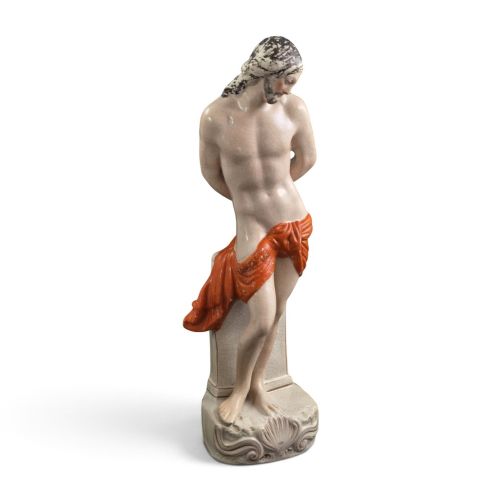
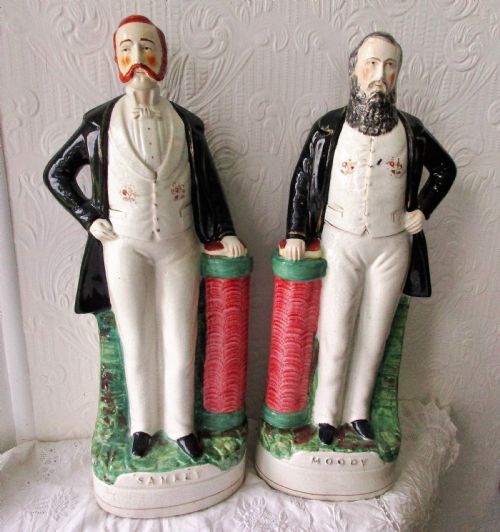
An antique religious ceramic statue encompasses a diverse range of figures, from Staffordshire earthenware depictions of biblical scenes to Austrian terracotta busts of saints. Buyers searching this phrase encounter nineteenth-century devotional subjects, portrait figures of preachers, and eighteenth-century Dutch delft candlesticks.
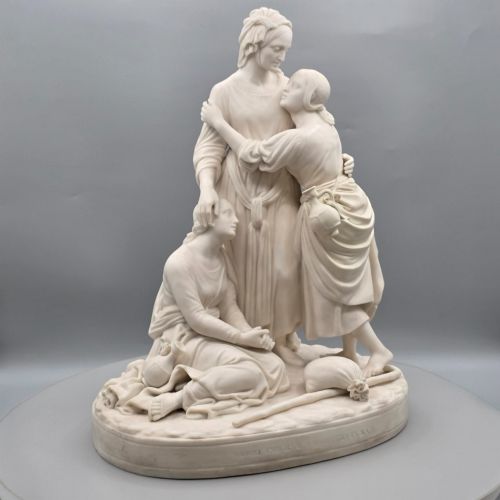
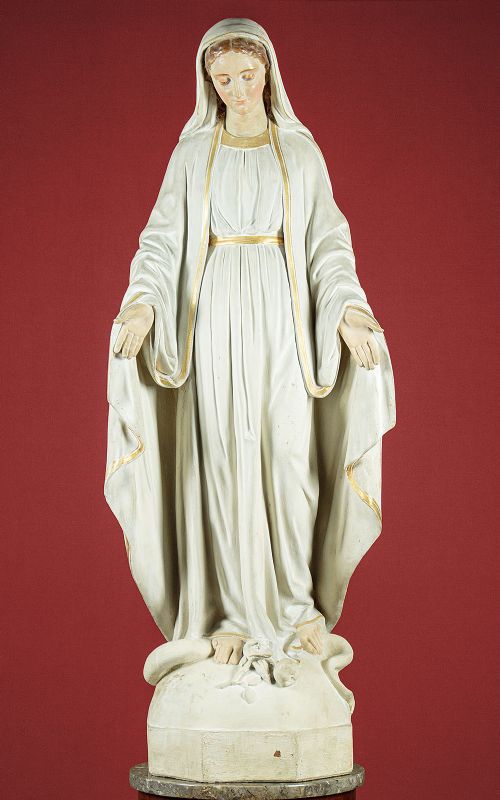
The selection on this page spans distinct stylistic movements, including Victorian, Renaissance Revival, and Art Nouveau. Forms vary from monumental figures and seated Madonnas to kneeling bishop candlesticks and parian groups depicting historical or scriptural narratives.
How they were made
Potters shaped these figures using materials such as earthenware, porcelain, terracotta, and parian ware, applying lead glazes and polychrome enamel colours to finish the surfaces. Moulding and casting techniques allowed factories to produce intricate details like the robes and facial expressions of saints and biblical figures.
Makers utilised specialised ceramic bodies to achieve specific textures, ranging from the smooth, marble-like finish of parian ware to the porous warmth of terracotta and the bright glaze of delft pottery.
Antique Religious Ceramic Statue Retail Price Guide 2026
Typical asking prices for religious ceramic statue among the pieces listed under this phrase on Sellingantiques today, from the lower quarter to the upper quarter. They describe what is for sale here now, not the wider market.
Look closely for the musical putti accompanying the enthroned Madonna, bringing a touch of heavenly brass band spirit to the ceramic altar.
What varies in quality
The quality of an antique religious ceramic statue depends heavily on the crispness of the moulding and the finesse of the hand-painted enamel decoration. Pieces modelled by recognised artists or produced by notable potteries display superior anatomical proportion and facial detail compared to simpler commercial output.
The preservation of original glazes, polychrome pigments, and delicate ceramic appendages distinguishes finer works from heavily restored or commercially mass-produced examples.
Minton·George Kemper·Royal Worcester·James Hadley
The Antique Religious Ceramic Statue Glossary
- Parian ware
- A fine unglazed biscuit porcelain developed in the nineteenth century that resembles carved white marble. It was frequently used for classical and ecclesiastical figural groups.
- Staffordshire earthenware
- Heavy ceramic pottery produced in the English county of Staffordshire, known for hand-painted figures and portrait subjects intended for domestic display.
- Polychrome
- Decorated in multiple colours, often referring to the hand-painted enamel pigments applied over a ceramic glaze.
- Terracotta
- A reddish-brown unglazed or glazed fired clay utilised for sculptural figures and architectural ornaments.
Antique Religious Ceramic Statue: Frequently Asked Questions
How are antique religious ceramic statues dated?
Dating relies on stylistic markers, factory marks, and the specific ceramic body used in manufacture. Nineteenth-century pieces often display registration numbers or impressed factory ciphers on the base.
Changes in glaze formulation and modelling techniques across the Victorian and earlier periods also help establish the approximate date of creation.
Where were these ceramic figures displayed?
Victorian and earlier figures were primarily displayed on mantelpieces, sideboards, or domestic tabletops as expressions of personal faith and moral character. Candlestick figures served both a decorative and practical lighting function in the home.
Larger sculptural pieces often stood as focal points in domestic interiors or private studies.
What is parian ware?
Parian ware is a type of fine biscuit porcelain introduced in the nineteenth century to mimic carved marble. It gained popularity for portrait busts and religious sculptural groups due to its smooth matte finish.
This material allowed manufacturers to achieve high levels of detail without the glossy sheen of traditional porcelain.