
Antique Regency Stool
When searching for an antique regency stool, collectors discover low seating, benches and window seats crafted to define formal interiors.
Antique Regency Stool
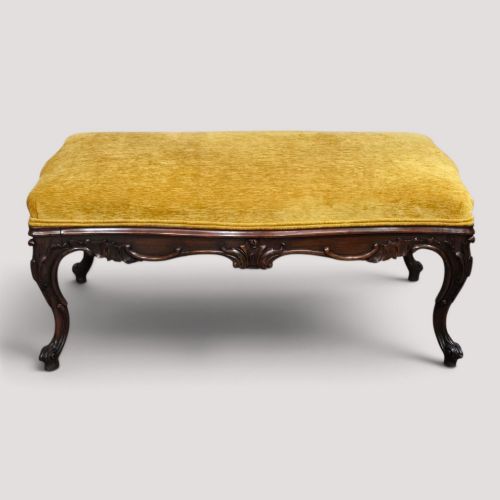
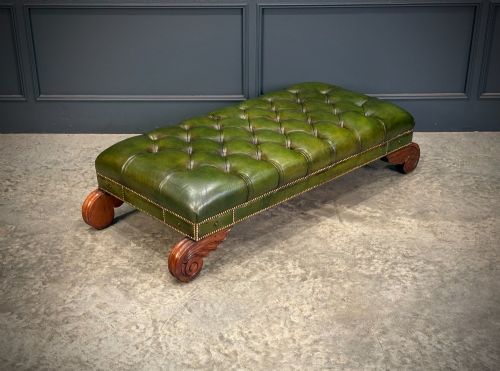
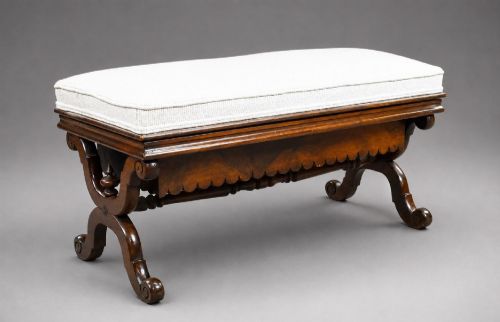
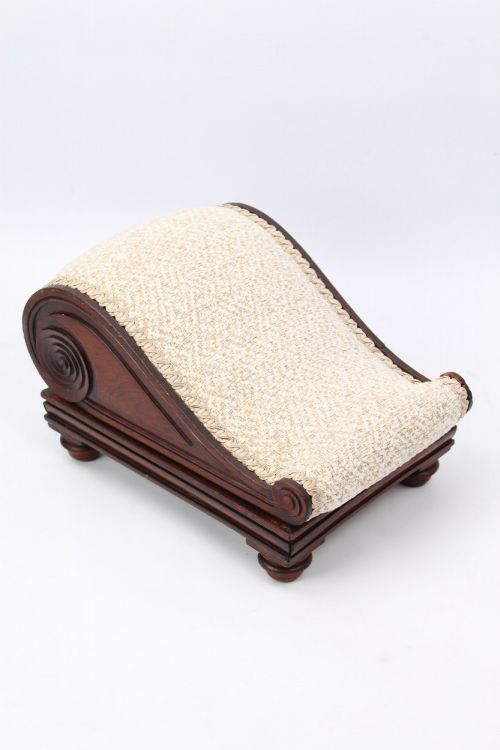
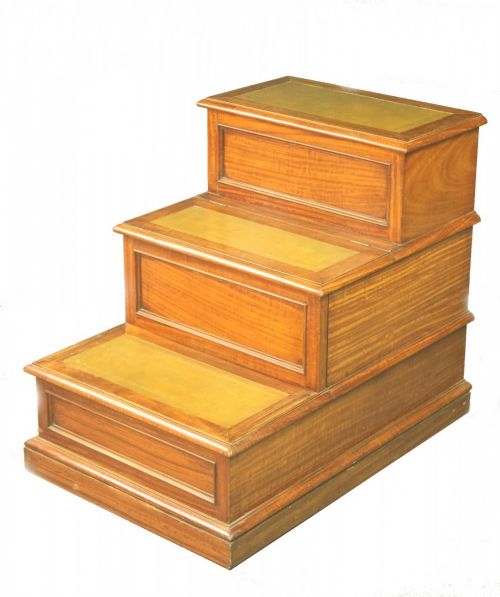
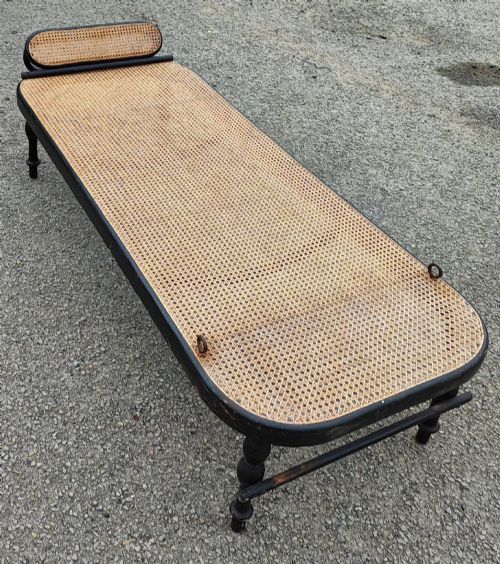
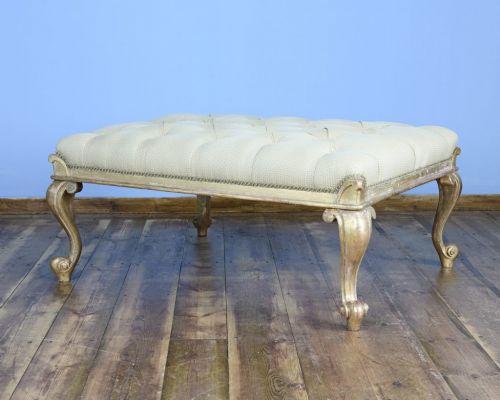
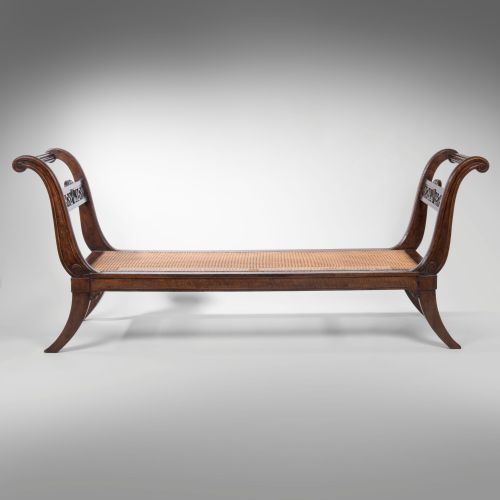
The antique regency stool category encompasses diverse low seating forms including footstools, piano stools, ottomans, long benches and window seats originating primarily from the nineteenth century.
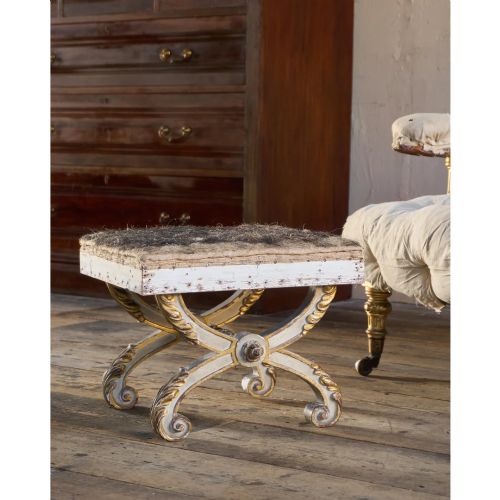
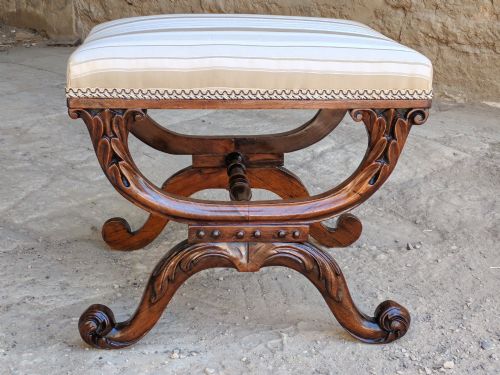
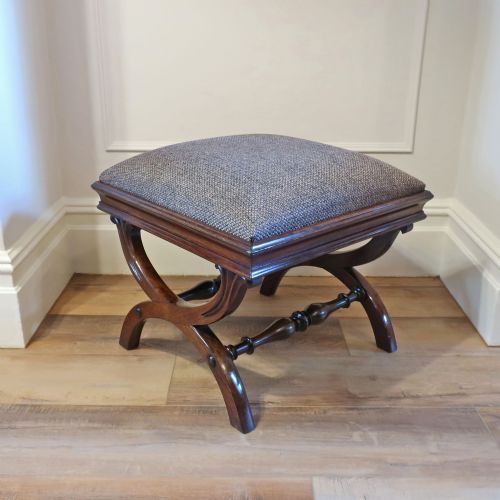
Makers of this era produced both compact footstools for fireside use and grand centre stools or X-frame curule designs intended for prominent display in halls and drawing rooms.
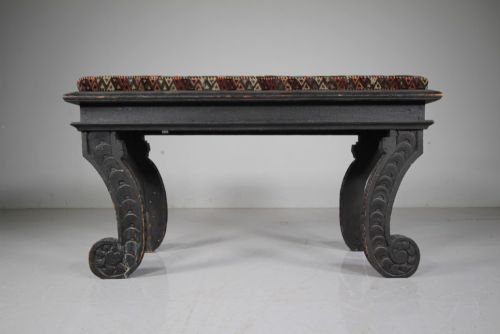
Alongside standard mahogany and rosewood frames, buyers encounter painted pine, walnut and exotic timbers reflecting the broader stylistic shifts from Georgian classicism through to William IV.
Materials and Construction
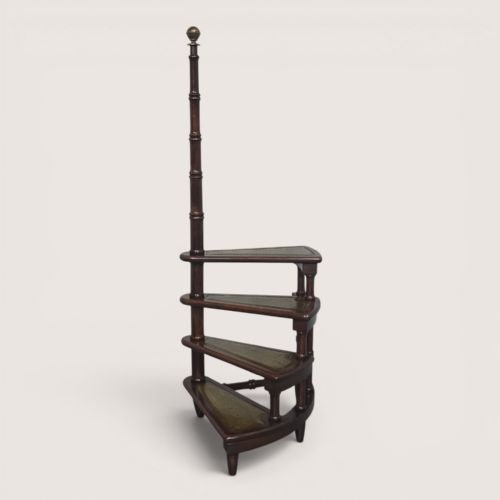
Cabinetmakers utilised dense timbers such as mahogany, rosewood and satinwood, frequently employing fine veneers or solid turned legs to support the upper frame.
Upholstery techniques combined traditional webbing and stuffing with leather, velvet, fabric or needlepoint, secured neatly with decorative brass detailing.
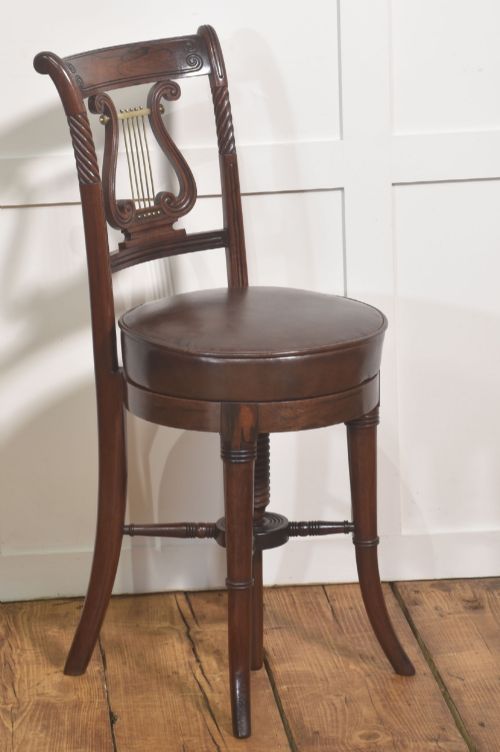
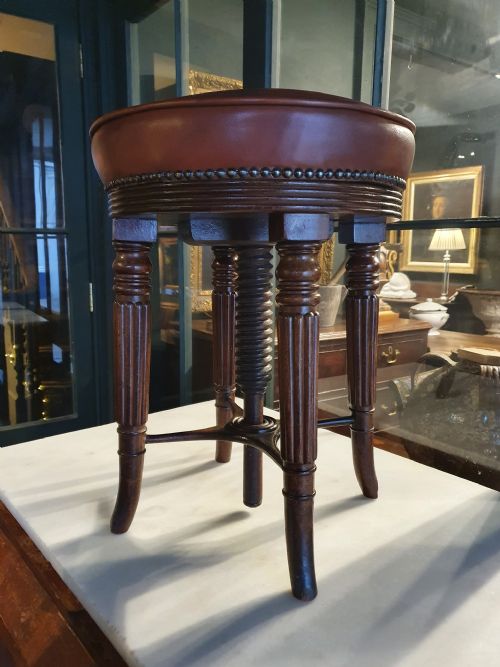
Mechanical elements in adjustable piano stools and revolving music chairs incorporated threaded wooden spindles and brass screw mechanisms for height regulation.
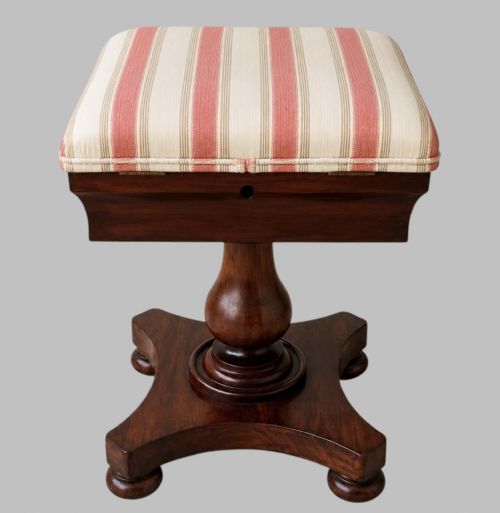
Early nineteenth-century cabinetmakers thoughtfully provided concealed work boxes beneath hinged seats so ladies could stitch while keeping their toes warm.
Markers of Distinction
Superior examples distinguish themselves through the crispness of carved ornamentation, the thoughtful integration of gilded gesso or parcel gilt, and the stability of architectural joinery.
The choice of primary timber drives value, where richly figured rosewood, burr maple or documented maker signatures elevate a piece above standard mahogany production.
Originality of surface finish, whether undisturbed french polish, aged paint or untouched leather upholstery, preserves the historical integrity desired by serious collectors.
Miles & Edwards·Gillows Lancaster
The Antique Regency Stool Glossary
- Curule X-frame
- A form of cross-legged stool derived from ancient Roman magistrate seats. This structural design offers notable architectural strength and visual lightness.
- Gesso
- A plaster-based mixture applied to wooden frames as a smooth base for gilding. It provides a crisp surface for intricate neo-classical decorative carving.
- Bidet
- A low basin-form seating furniture piece fitted within a wooden frame during the Georgian and Regency periods. These items illustrate the domestic utility of nineteenth-century cabinet work.
- Caning
- A woven lattice material made from split rattan used for light, flexible seating panels. It offers breathable durability on piano stools and small occasional seats.
- Parcel gilt
- A decorative technique where specific carved highlights are partially gilded with gold leaf against a contrasting wood or painted ground.
Antique Regency Stool: Frequently Asked Questions
What is an X-frame stool?
An X-frame stool utilises intersecting curved or straight supports that form a distinctive cross shape beneath the seat. This ancient architectural form experienced a major revival during the Regency period.
Craftsmen often carved these frames with bold scrolls or animal paw feet to anchor grand drawing rooms and hallways.
How do adjustable piano stools work?
Adjustable piano stools operate via a central wooden screw mechanism concealed beneath the upholstered seat. Turning the seat clockwise or anti-clockwise raises or lowers the platform.
This functional innovation allowed nineteenth-century musicians to tailor their seating height precisely to their instruments.
Where were window seats placed?
Window seats were designed specifically to fit into deep architectural window recesses found in formal Georgian and Regency properties. They provided comfortable vantage points for reading and socialising.
Their elongated proportions and decorative ends also suited placement along long corridors and entrance halls.
Are these stools comfortable?
Period upholstery relies on traditional horsehair stuffing and deep springing systems that offer firm, supportive seating. While historical padding differs from modern foam, many retain high comfort levels.
Original leather or velvet coverings further enhance the tactile appeal of daily domestic use.