
Antique Regency Print
When you search for an antique regency print, you seek the framed engravings, watercolours and reverse glass pictures that bring early nineteenth-century interiors to life.
Antique Regency Print
An antique regency print encompasses framed engravings, lithographs, and watercolours produced during the late eighteenth and early nineteenth centuries. These works record natural history, portraiture, satirical caricature, and classical illustration from the Georgian and Regency periods.
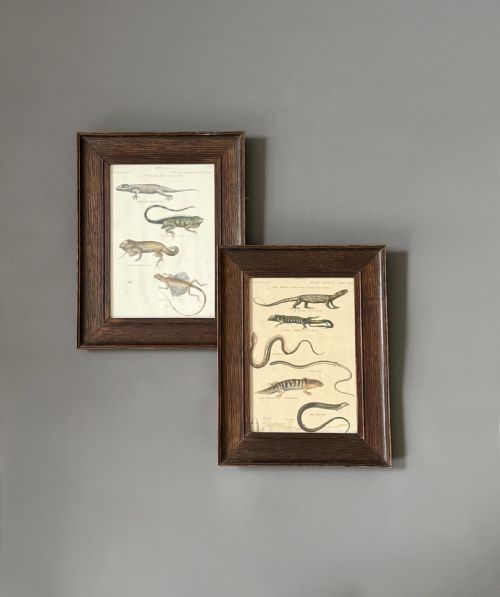
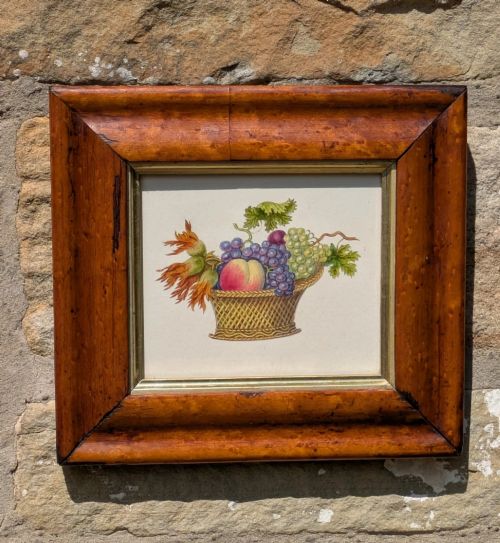
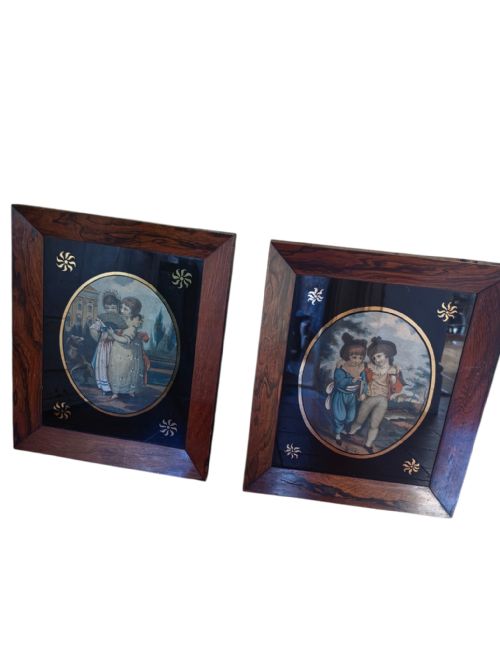
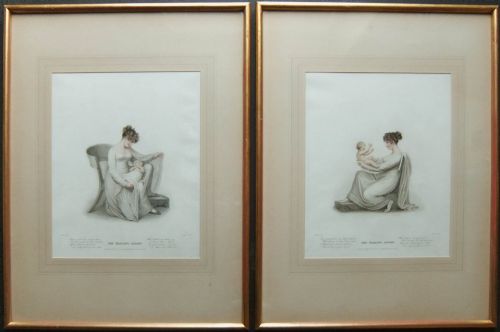
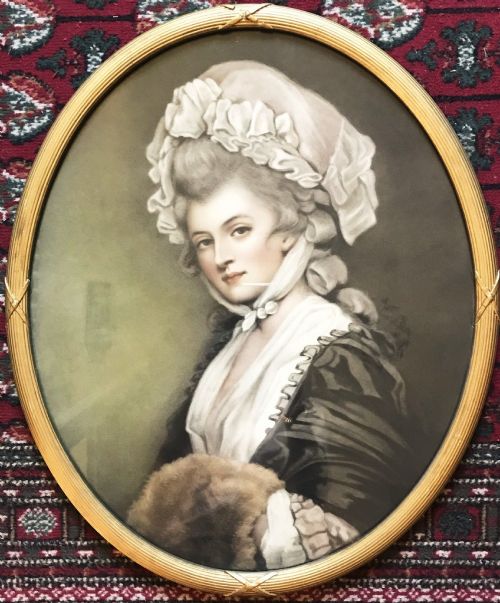
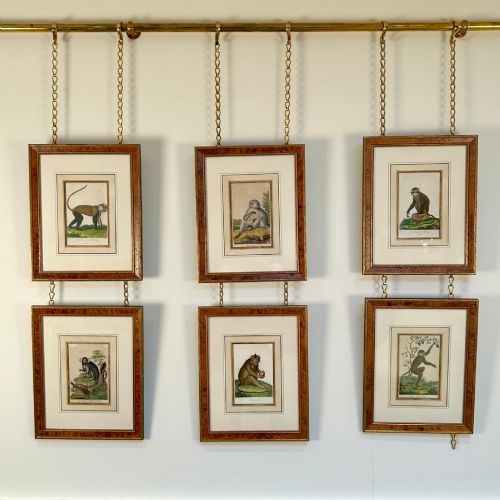
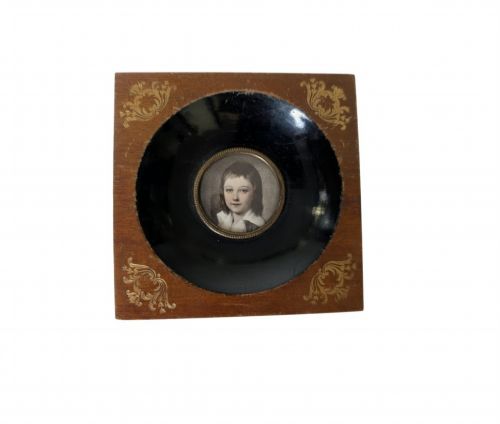
The pieces you encounter range from hand-coloured natural history engravings of reptiles and monkeys to dramatic reverse glass prints and framed portraits of children. They appear in period wood frames such as rosewood, maple, and Hogarth moulding, often retaining their original glazing and paper components.
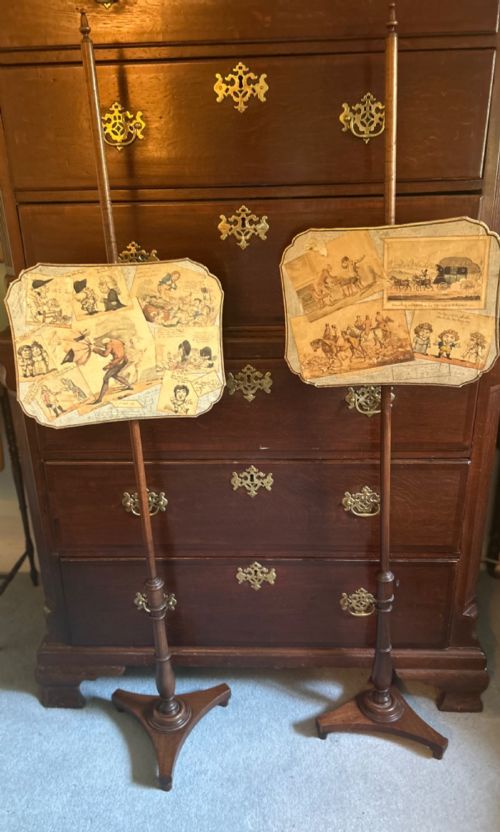
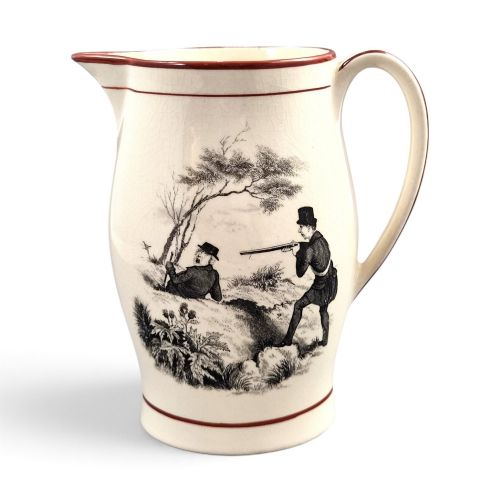
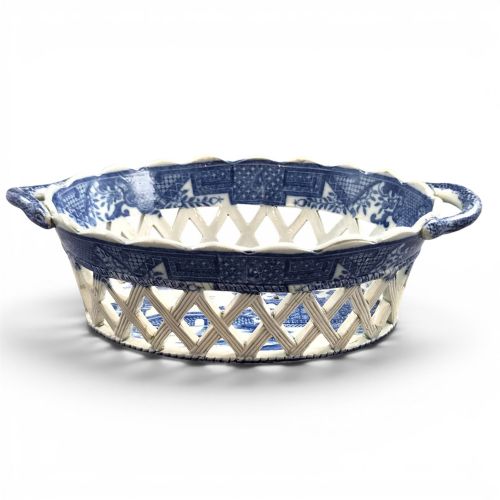
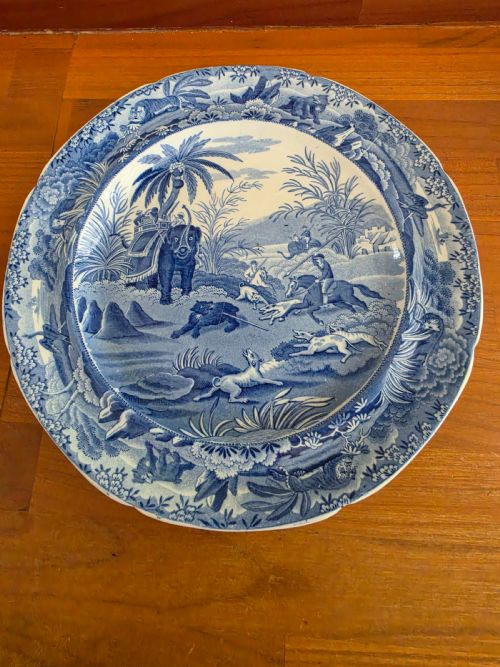
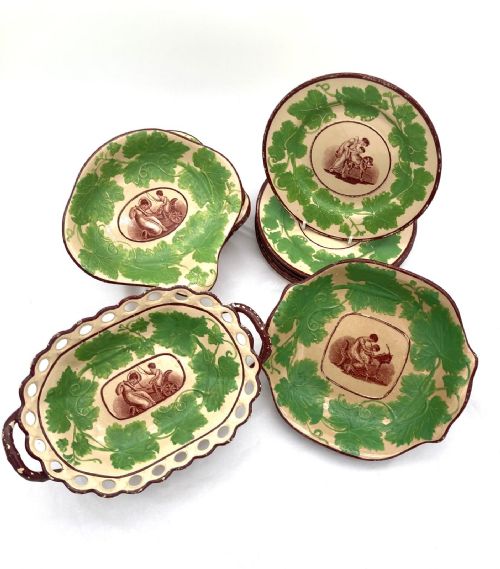
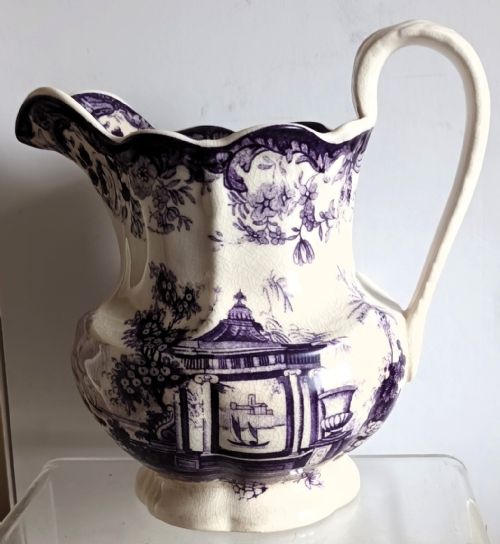
Beyond standard wall art, the selection includes decorative plates, transfer-printed ceramics, pole screens, and folio stands that incorporate printed or illustrated elements. These objects reflect the visual culture and domestic tastes of the early nineteenth century.
How they were made
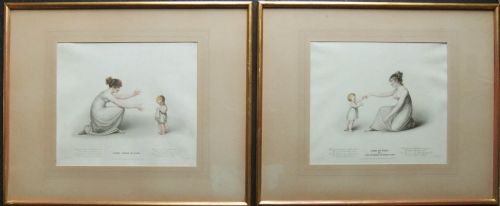
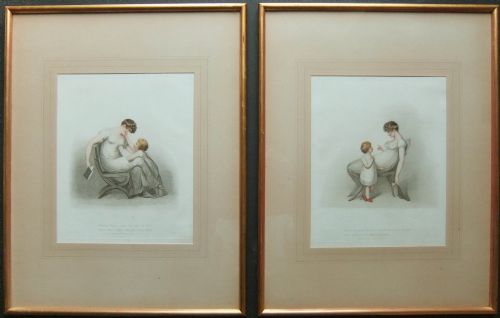
Makers produced these works using paper, ink, and watercolour, frequently employing hand-colouring techniques over engraved or lithographic lines. Printmakers utilised copper plates and lithographic stones to transfer detailed images before artists applied colour by hand.
Reverse glass prints involved applying ink and paint directly to the reverse side of a glass sheet, creating a glossy surface finish protected from atmospheric damage. Ceramic items incorporated transfer-printing methods using blue, magenta, and earthenware glazes fired at high temperatures.
Framing materials combined wood, brass, and gilt work, with maple, sycamore, and rosewood selected for cabinet frames and pole screens. Artisans secured these prints behind clear glass sheets, sometimes adding metal embellishments to the clothing depicted in the artwork.
Listings feature 19th Century, Regency, Georgian, and 1920 periods, utilising paper, glass, wood, brass, and earthenware materials across wall art, folio stands, and ceramic plates.
What varies in quality
The clarity and precision of the original engraving line distinguish finer impressions from worn plates. Early strikes show crisp details in facial expressions and botanical subjects, whereas later impressions lose definition.
Hand-colouring expertise dictates visual appeal, with subtle watercolour washes and careful pigment application outperforming hurried or heavy-handed modern additions. The preservation of original paper surfaces, free from excessive foxing or damp staining, elevates the standing of an individual piece.
Enclosure quality also differs significantly, separating standard mouldings from period rosewood frames, Hogarth profiles, and original glass panes. Items retaining maker inscriptions, publisher details, or contemporary framing demonstrate superior provenance.
William Bird MD FLS·Adam Buck·William Day·Sydney Wilson
The Antique Regency Print Glossary
- Engraving
- An intaglio printmaking technique where an artist cuts lines into a metal plate to hold ink. This method produces sharp, permanent lines on paper.
- Lithography
- A planographic printing process based on the mutual repulsion of oil and water. It allowed artists to reproduce drawings and watercolours with painterly freedom.
- Reverse glass print
- An image painted or printed onto the back of a glass sheet to create a luminous, reflective surface. These pieces were popular for decorative wall display during the Regency era.
- Aquatint
- A variant of etching that produces tonal areas resembling watercolour washes. It was frequently employed for illustrated books and landscape prints.
- Mezzotint
- A monochrome printmaking process that achieves rich dark tones and subtle gradations of light. Portraitists favoured this technique for velvety reproductions of oil paintings.
Antique Regency Print: Frequently Asked Questions
What subjects appear on these prints?
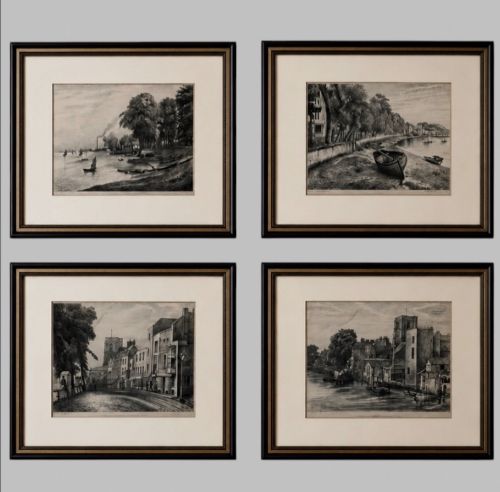
Subjects range from natural history studies of reptiles and monkeys to satirical caricatures and classical illustrations. You will also find portraits of children, theatrical scenes, and topographical views of London.
Many of these works reflect the scientific curiosity and political commentary of the early nineteenth century. They served both educational and decorative functions in Regency homes.
How do I date a Regency print?
Dating relies on publisher inscriptions, printed dates on the margins, and stylistic indicators of dress and interior design. Costume details such as bonnets, high-waisted Regency gowns, and military uniforms offer reliable chronological clues.
Paper characteristics, watermark evidence, and the style of the surrounding frame further help narrow the production window to the late Georgian era.
Were these always framed?
Many prints started as unbound plates intended for portfolios, library albums, or book collections before later owners had them framed. Folio stands and large storage cabinets held these loose collections safely.
When framing occurred later in the nineteenth century, makers often utilised period mouldings like Hogarth frames or rosewood surrounds to maintain aesthetic harmony.
How should I display them?
Keep framed prints out of direct sunlight to prevent the fading of hand-applied watercolours and ink pigments. Stable indoor humidity levels protect the antique paper and wooden frames from warping or deterioration.
Group related natural history studies or satirical works together on neutral walls to recreate the display style of a nineteenth-century study or drawing room.