

Antique Red Seat
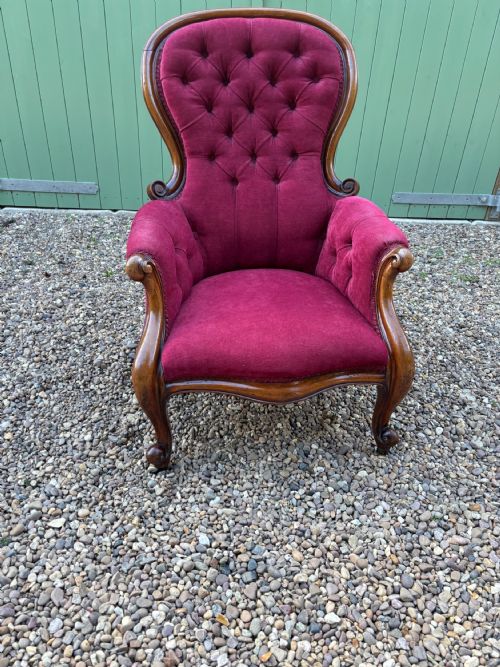
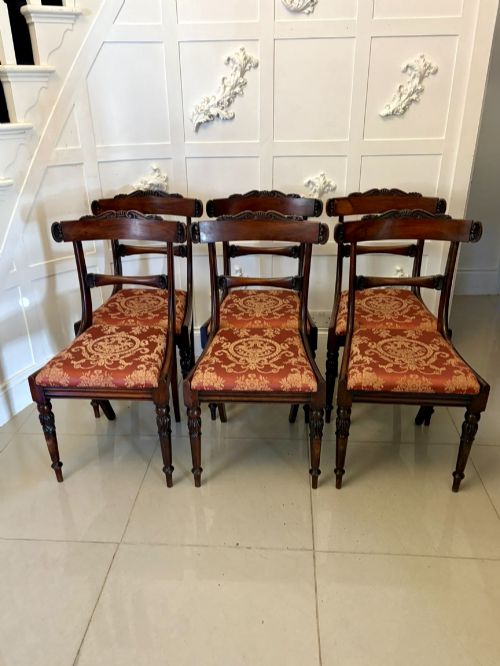
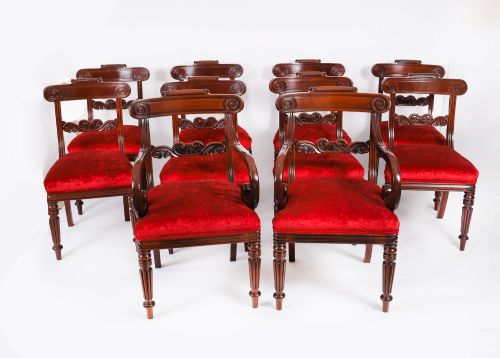
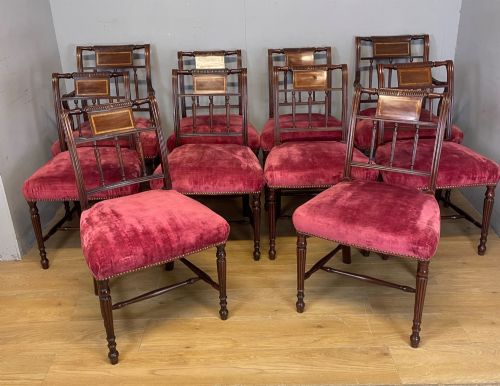
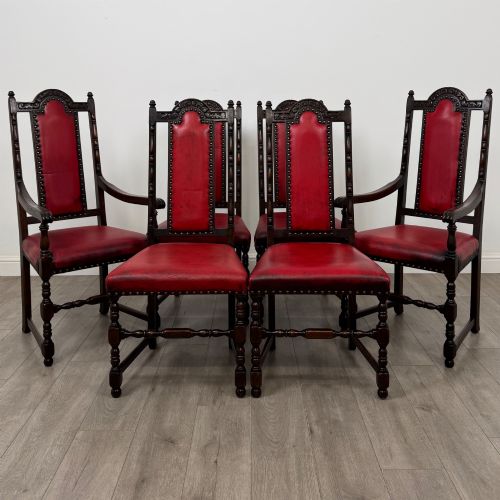
When you search for an antique red seat, you enter a diverse field of upholstered chairs, benches, and stools spanning multiple centuries.
Antique Red Seat
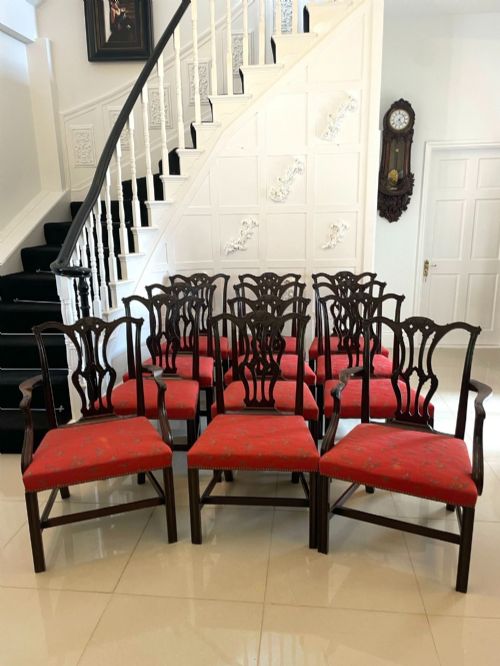
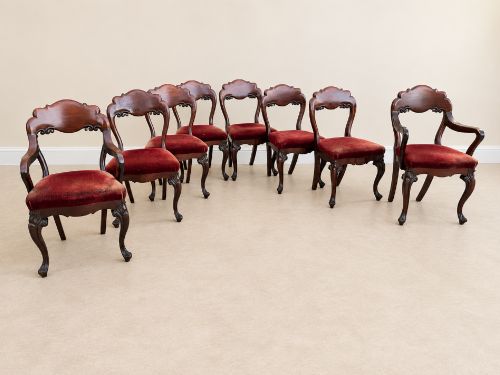
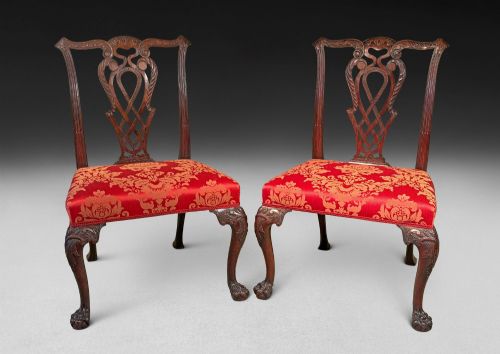
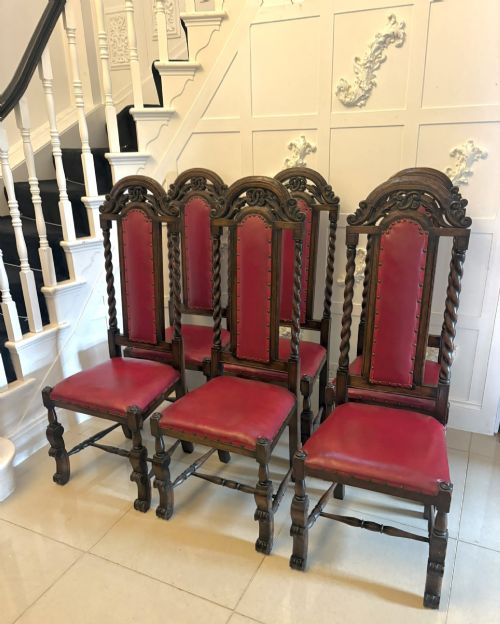
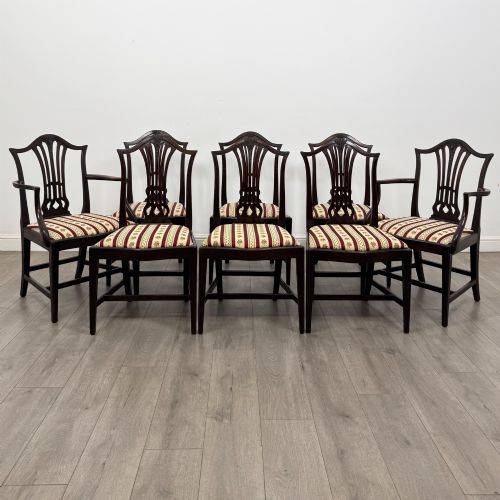
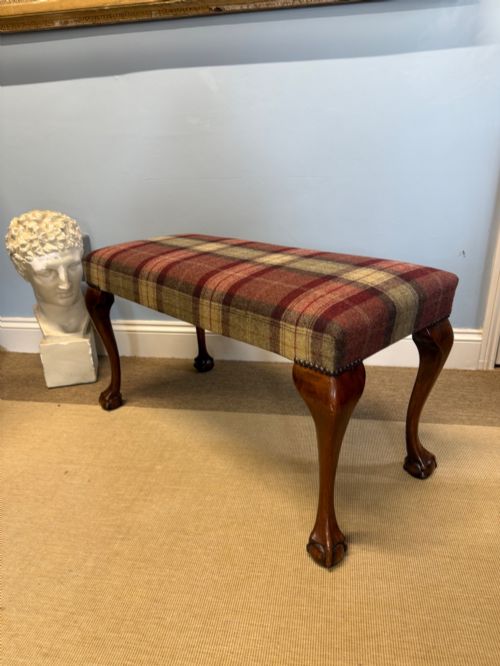
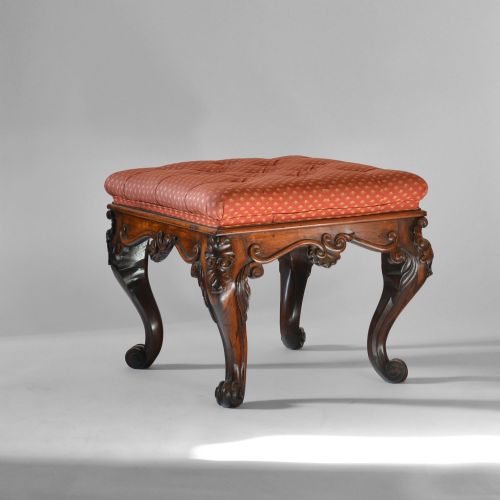
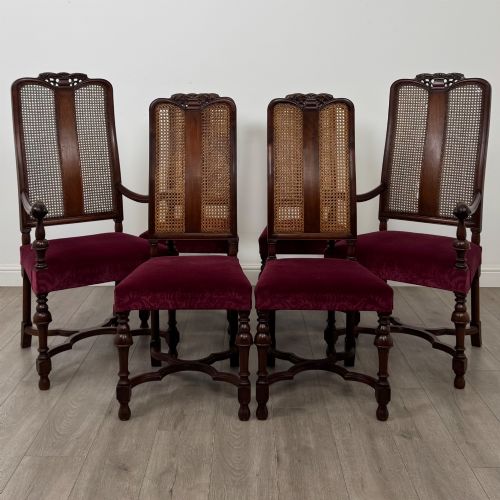
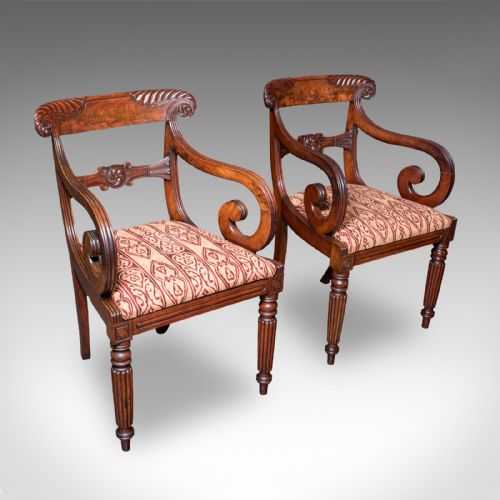
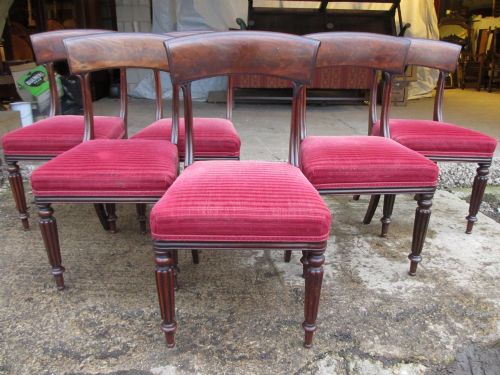
An antique red seat encompasses various forms from dining chairs and library armchairs to window seats, footstools, and larger settees. Buyers exploring this category will encounter pieces ranging from early 18th-century red walnut side chairs to Victorian upholstered window seats and Edwardian seating.
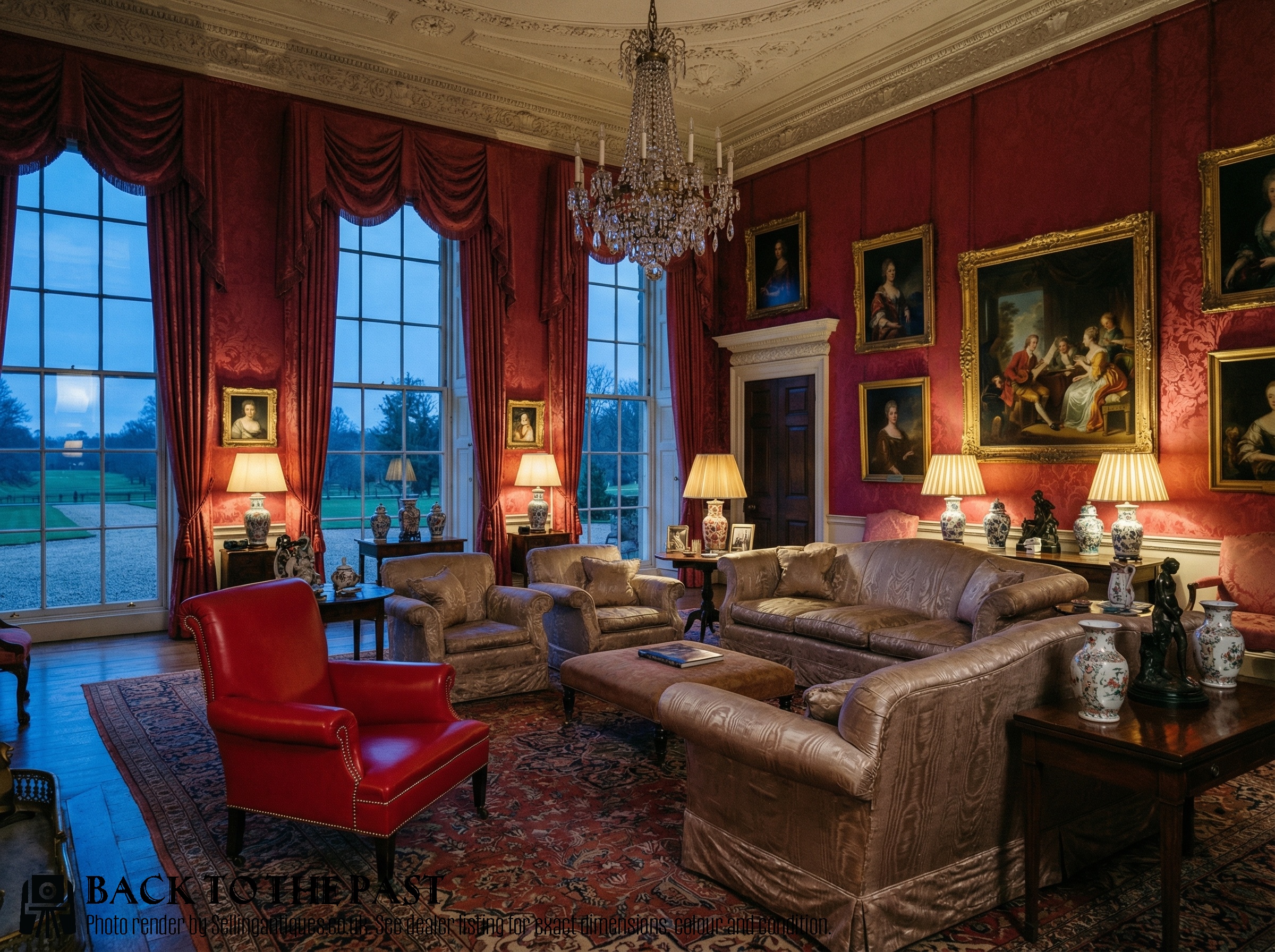
The term bridges functional household furniture and decorative seating, including specific items like Chinese elm yokeback armchairs featuring original red lacquer. These objects serve both practical seating needs and historical interior styling.
Originating across different periods including Georgian, Regency, and Victorian eras, these items reflect the prevailing domestic fashions of their respective decades.
Materials and construction
Makers utilised sturdy timbers such as mahogany, walnut, oak, beech, and rosewood for the structural frames of these seats. Solid wood carving, turned legs, and brass inlay or ormolu decoration frequently appear across the furniture.
Upholstered versions incorporate textiles like velvet, leather, fabric, and chenille twill fastened to the wooden foundations. Surface treatments range from clear polish on figured mahogany to original red lacquer on elm.
Listings feature 19th Century, Victorian, Edwardian, Georgian, Regency, and 18th Century periods, constructed from mahogany, walnut, oak, and velvet.
Distinguishing quality
The standard of craftsmanship differentiates everyday utility items from masterworks across the periods. Refinement in the timber selection, such as figured mahogany or red walnut, alongside the crispness of carved details, establishes the hierarchy of a piece.
The integrity of the frame construction and the fidelity of period styles, whether Chippendale, Regency, or Louis XVI, dictate the enduring value of the seating. Original finishes and intact surface patination further separate standard examples from superior ones.
Gillows·Shoolbred
The Antique Red Seat Glossary
- Carver
- An armchair, typically designed en suite with a set of smaller dining chairs, featuring integrated armrests. These pieces often sat at the head of a dining table.
- Settle
- A wooden bench with high backboards, solid arms, and frequently a box compartment beneath the seat for storage. They originated to keep draughts away from sitters in domestic halls.
- Bergere
- An enclosed upholstered armchair with wooden framing and cane or wicker side panels. Originating in France, they gained popularity in various revivals.
- Giltwood
- Timber treated with gold leaf or a gold-coloured metallic finish. This decorative technique adorned formal salon and reception seating in the 18th and 19th centuries.
- Yokeback
- A traditional chair design featuring a curved top rail resembling a Chinese yoke. These chairs often display remarkable wood grain and historical lacquer finishes.
Antique Red Seat: Frequently Asked Questions
How were these chairs used historically?
Historical seating served distinct domestic functions depending on the room and form. Dining chairs gathered around large extending tables for meals, while library and elbow chairs provided comfortable support for reading and correspondence.
Smaller stools and window seats offered flexible options for resting near natural light or by a hearth. Formal armchairs and settees occupied reception rooms to receive visitors and display household status.
How do I care for antique upholstery and wood?
Maintaining antique wooden frames requires stable indoor humidity and protection from direct sunlight to prevent timber splitting and fading. Regular dusting with a dry, soft cloth preserves the original polish and surface patination.
Upholstered components made from velvet, leather, or fabric benefit from gentle vacuuming using a low suction attachment. Professional conservation cleaning ensures delicate textiles and antique stuffings remain undamaged over time.
How can I tell the period of a chair?
Dating a chair involves examining the combination of timber species, construction methods, and stylistic motifs. Georgian and Regency pieces often display dense mahogany, hand-cut joinery, and classical architectural influences like brass inlay or sabre legs.
Later Victorian and Edwardian examples incorporate machine tooling, differing secondary woods, and eclectic revival styles. Comparing the structural joints and decorative carvings against documented period templates clarifies the approximate date.