







Antique Red Kilim
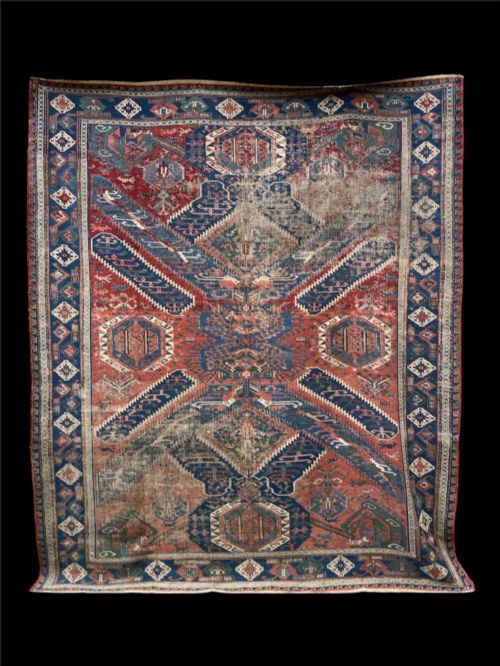
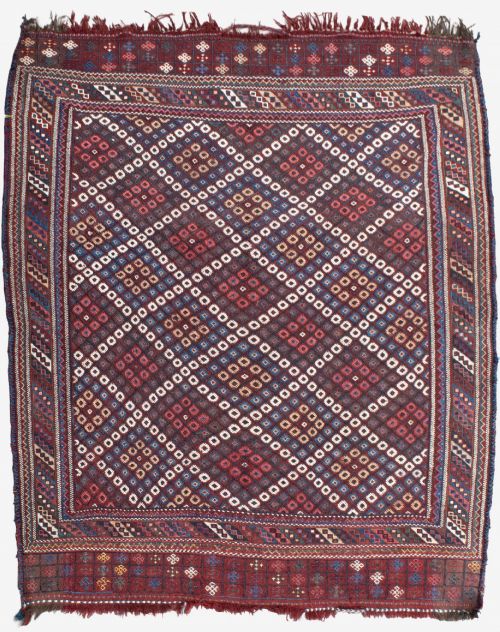
When you seek an antique red kilim, you find flatweave textiles created by tribal weavers across Persia, Anatolia, and the Caucasus.
Antique Red Kilim
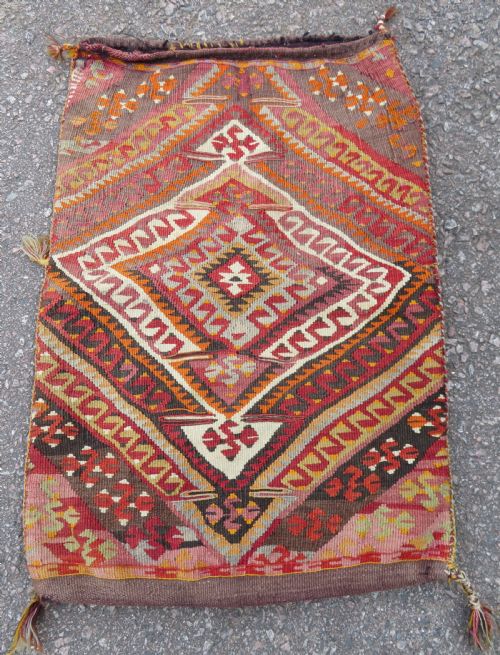
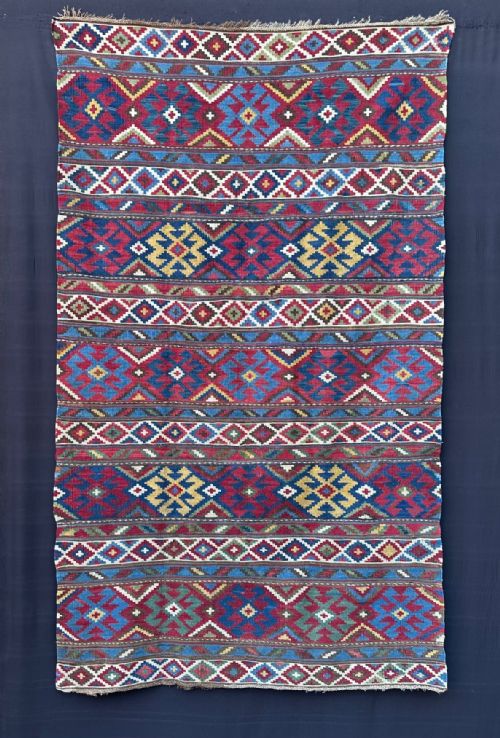
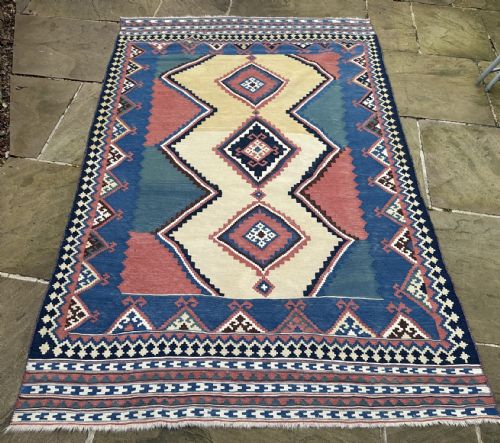
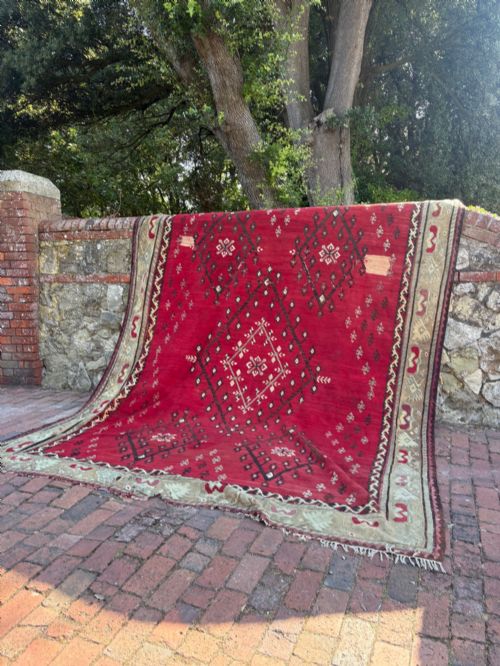
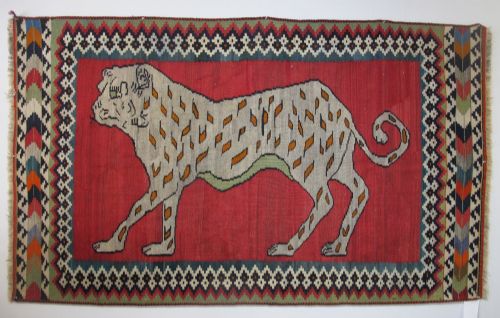
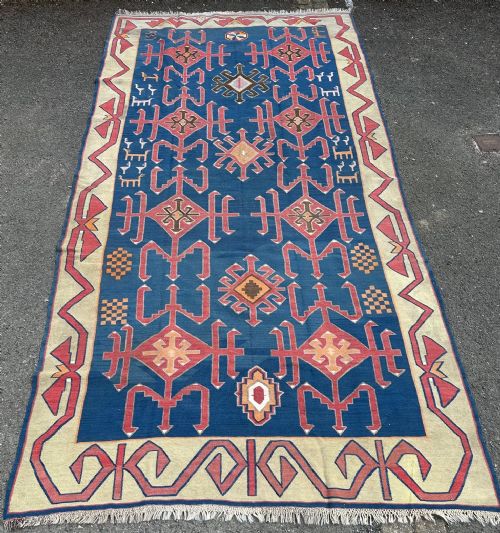
An antique red kilim encompasses flatwoven rugs, grain sacks, utility bags, and dining sofreh cloths made by tribal groups. These textiles emerge from regions such as Persia, the Caucasus, and Anatolia, bearing the distinct geometric motifs of their makers.
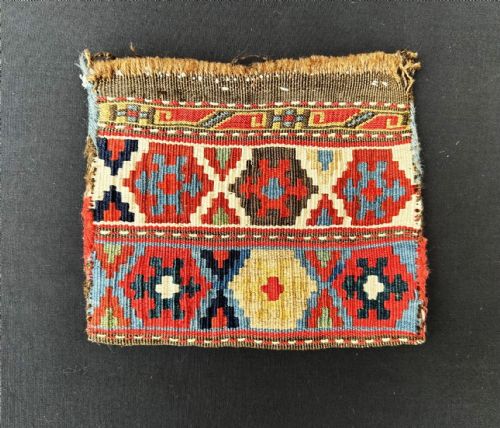
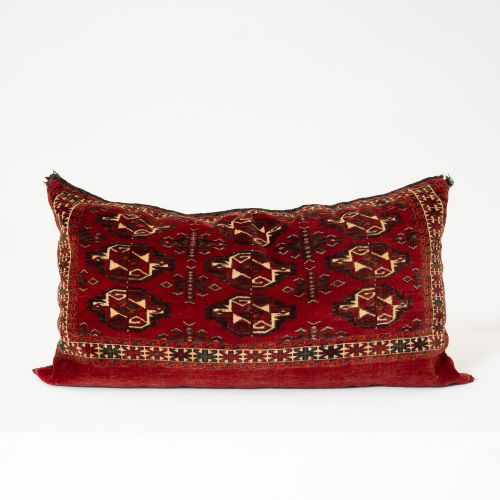
The version most frequently met on this page is the tribal rug or flatweave carpet, often originating from nomadic or village workshops. Alongside full-sized carpets, smaller items like grain sacks, vanity bags, and cushions appear regularly.
The tradition spans the nineteenth and early twentieth centuries, capturing a period when tribal weaving served practical domestic and nomadic functions. Each piece reflects the specific regional palette and pattern vocabulary of its maker.
How they were made
Weavers utilised hand-spun wool and occasionally goat hair, working on horizontal or vertical ground looms to create warp-faced or slit-tapery flatweaves. Natural dyes provided the characteristic deep tones seen across these textiles, sourced from local plants and minerals.
Structural reinforcement often involved sturdy cotton foundations and hardwood components in associated items like seating or frames. Skilled manipulation of the weft threads produced crisp geometric boundaries without the use of a pile.
Antique Red Kilim Retail Price Guide 2026
Typical asking prices for red kilim among the pieces listed under this phrase on Sellingantiques today, from the lower quarter to the upper quarter. They describe what is for sale here now, not the wider market.
Listings feature wool, cotton, and natural dyes across nineteenth and early twentieth century tribal rugs, cushions, and sofreh cloths.
What varies in quality
The standard of an antique red kilim depends on the tightness of the weave and the precision of the geometric layout. Tightly packed wefts create a supple, durable fabric that maintains its structural integrity over generations.
Colour saturation and the complexity of the dye work also distinguish finer examples. Deep, harmonious hues derived from natural sources display a rich variation that flat synthetic dyes fail to replicate.
The Antique Red Kilim Glossary
- Kilim
- A flatwoven textile produced without a pile by tightly interweaving warp and weft strands. This technique results in a lightweight fabric suitable for floor coverings, wall hangings, and utilitarian bags.
- Sofreh
- A spread or cloth traditionally used for dining, food preparation, or bread storage among tribal communities. These utilitarian textiles often feature bold central fields flanked by intricate border designs.
- Mafrash
- A large rectangular storage bag or transport chest face made in flatweave or sumak technique. Nomadic groups utilised these containers for bedding and household possessions during seasonal migrations.
- Sumak
- A supplementary weft-wrapping technique that creates a raised, textured surface resembling embroidery on the reverse. This method adds structural strength and visual depth to Caucasian and Persian bags and carpets.
- Warp
- The stationary lengthwise threads stretched tightly on a loom before weaving begins. The density and material of these foundational cords dictate the structural backbone of the textile.
Antique Red Kilim: Frequently Asked Questions
What is a kilim?
A kilim is a flatwoven textile made by tightly interlocking horizontal weft threads over vertical warp threads. This technique creates a reversible fabric without a pile.
Tribal groups across the Middle East and Caucasus produced these pieces for utility, decoration, and insulation.
How were sofreh cloths used?
Sofreh cloths served as clean surfaces for rolling dough, serving communal meals, and wrapping bread within nomadic households. Their designs often centred on practical utility combined with protective tribal symbols.
Today, collectors appreciate these textiles as wall art or distinctive floor coverings due to their graphic compositions.
Where do these rugs originate?
These textiles originate from regions spanning Persia, Anatolia, the Caucasus, and Central Asia. Nomadic confederations and village weavers in these areas developed distinct regional patterns and colourways.
Specific tribes, such as the Qashqai, Shahsevan, and Yomut, imparted signature motifs to their flatweaves.
How should I care for flatweave textiles?
Flatweave textiles require gentle regular vacuuming without a rotating brush roll to protect the delicate wool and cotton fibres. Professional cleaning suited for antique flatweaves preserves the natural dyes and structural integrity.
Keeping them out of direct sunlight prevents the rich red tones from fading over time.