
Antique Red Glass
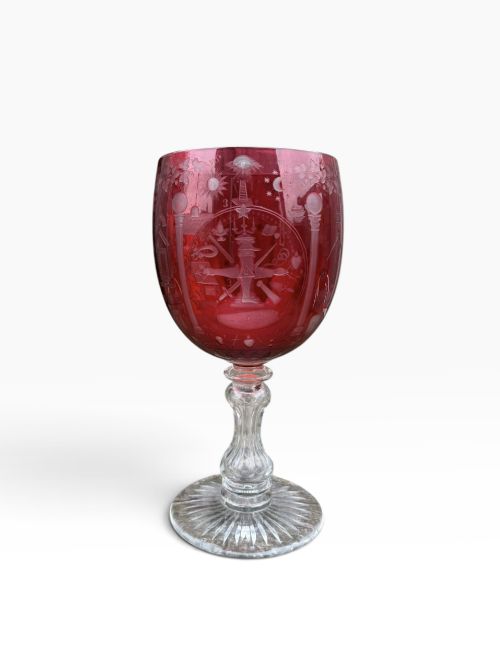
Antique red glass brings striking depth and warmth to a room, encompassing rich cranberry tones, ruby hues and flashed vessels shaped across the Victorian and Edwardian decades.
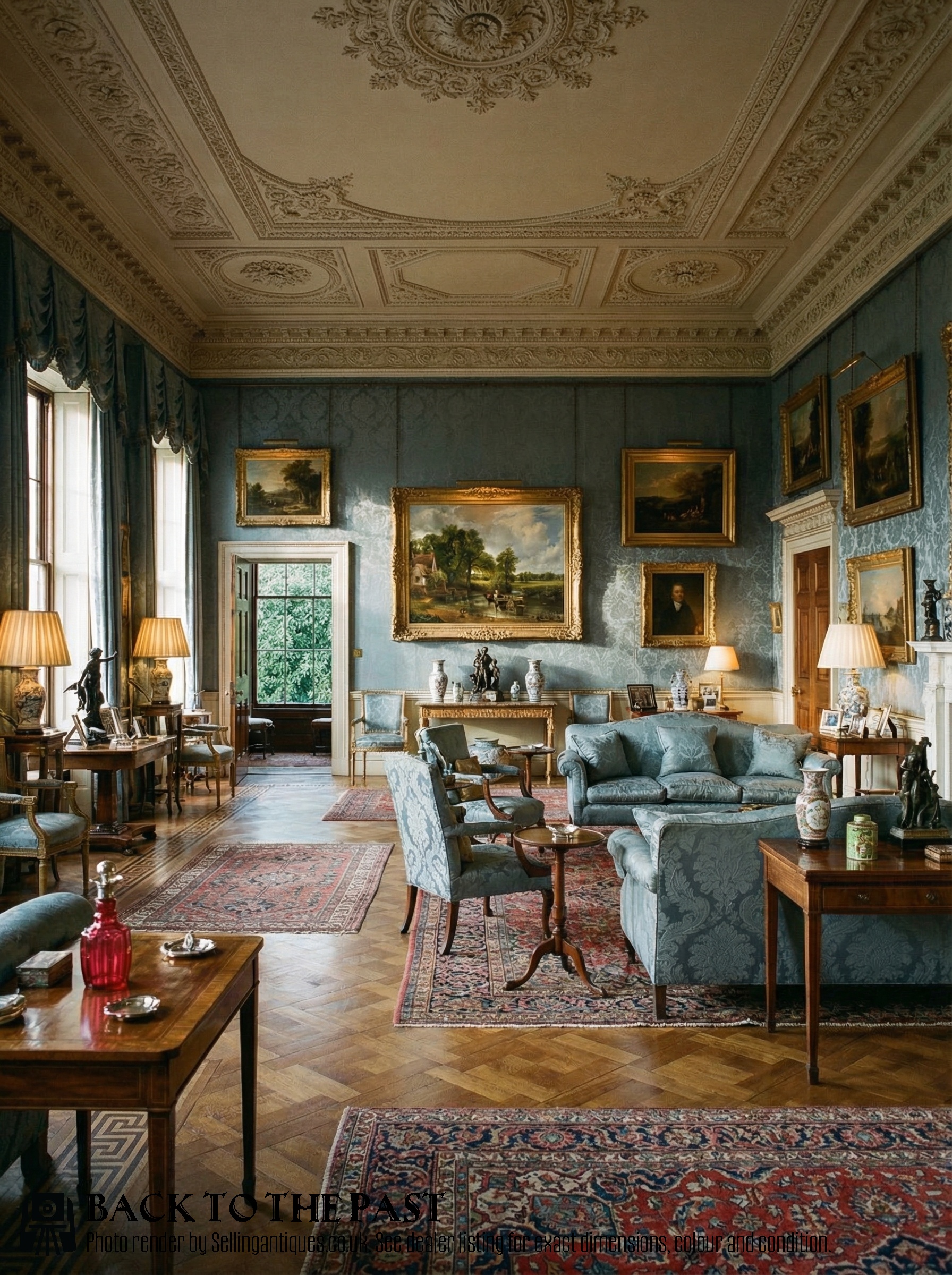
Antique Red Glass
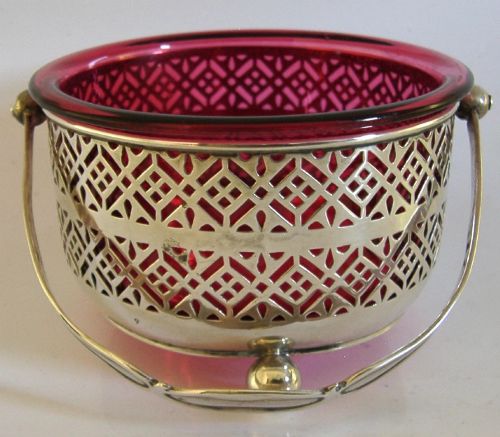
Smaller decorative items such as lustres, cruet sets, sugar baskets and finger bowls appear alongside larger tableware forms like decanters, carafes and tazzas. Bohemian and English workshops dominate the output, spanning deep ruby shades, flashed layers and delicate enamelling.
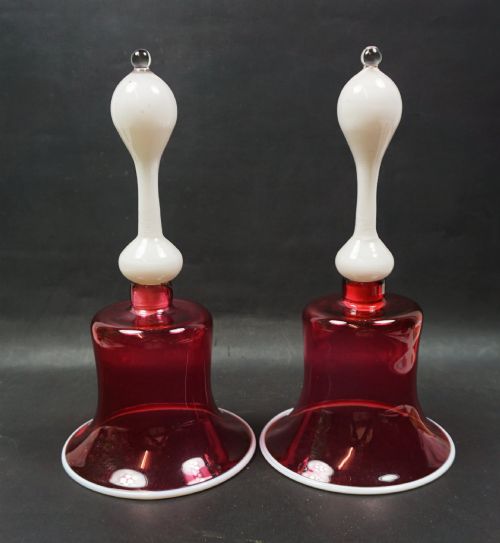
Vessels often incorporate contrasting materials, pairing the vibrant red body with clear crystal, white glass handles or gilt metal mounts. Pieces range from simple moulded glassware to heavily cut, engraved and cameo-carved display items designed to catch the ambient light.
How they were made
Glassmakers achieved the distinctive red colouration by adding gold or copper compounds to the molten batch during production, creating the dense hues seen in cranberry and ruby glass. Many decorative vessels utilise a double-layered technique known as flashed or overlay glass, where a thin layer of red glass is fused over a clear crystal base before being cut away to reveal the contrasting transparent body beneath.
Surface ornamentation involved varied artisan techniques including wheel-engraving, acid-etching, hand-painting with enamel and gilt detailing, and cameo carving. Items requiring functional mounts were frequently finished with sterling silver collars, hinged lids, swing handles or ormolu fittings executed by silversmiths and metalworkers.
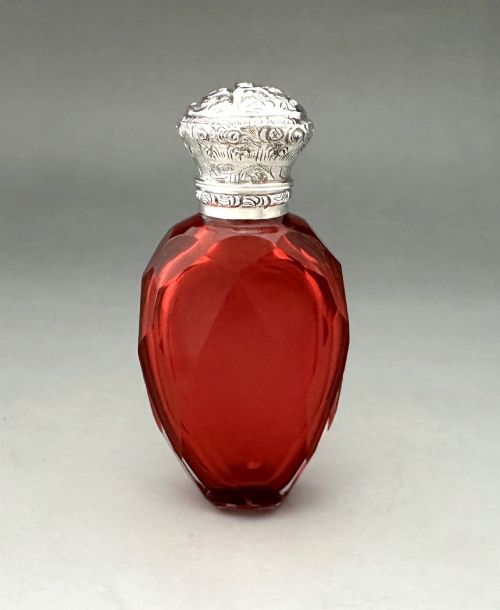
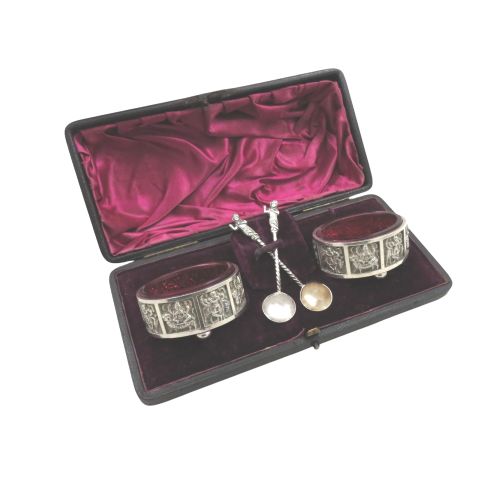
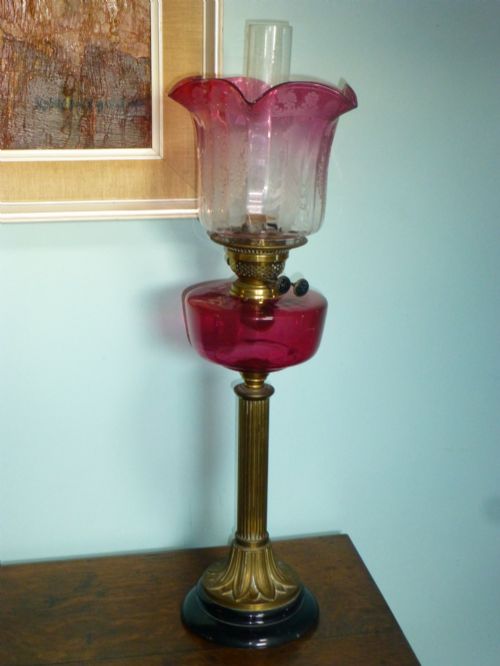
The listings show nineteenth-century cranberry glass frequently paired with sterling silver mounts and cut crystal overlays.
What varies in quality
The standard of antique red glass is dictated by the depth of the metal colouring, the crispness of the glass-cutting and the finesse of any applied surface decoration. Superior examples display even saturation without muddy patches, alongside hand-cut facets that remain sharp and precise to the touch.
The integration of metal mounts further distinguishes the range, where heavy gauge sterling silver or finely chased ormolu frames elevate simple glassware into high-status vanity and desk accessories. The clarity of underlying crystal in flashed pieces and the retention of pristine gilding and enamel work mark the distinction between standard utilitarian production and master craftsmanship.
Karl Palda·Harry Powell·Galle·Moser
The Antique Red Glass Glossary
- Cranberry glass
- A transparent pinkish-red glass coloured with gold oxide, highly popular during the Victorian period for tableware and scent bottles.
- Ruby glass
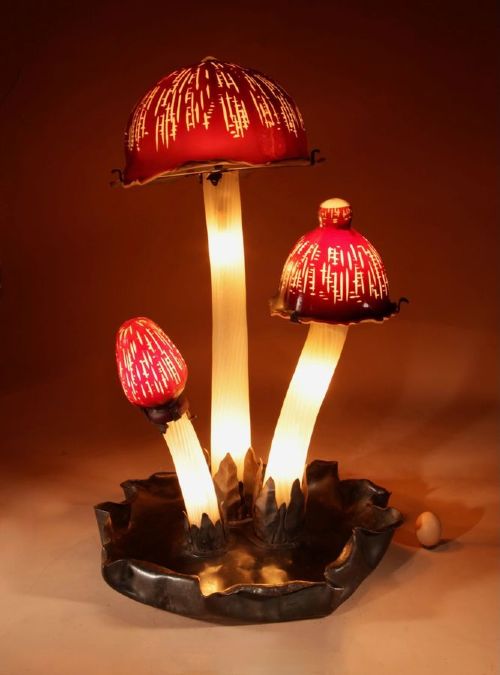
- A deep, rich red glass created through copper or gold additives, frequently utilised for heavy table lamps, wine glasses and lustres.
- Flashed glass
- A vessel formed of a clear crystal core dipped into a thin skin of coloured glass before blowing, allowing craftsmen to cut patterns through the outer layer.
- Lustres
- Decorative mantelpiece ornaments featuring a central bowl or vase hung with long glass prisms that refract light.
- Mary Gregory glass
- Victorian glassware decorated with silhouettes of children painted in white enamel, typically set against a cranberry or ruby background.
- Roemer
- A traditional European wine glass featuring a wide bowl atop a cylindrical stem decorated with applied glass prunts.
Antique Red Glass: Frequently Asked Questions
How do I clean antique red glass safely?
Wash pieces by hand using lukewarm water and a mild detergent, avoiding abrasive sponges that can scratch the surface or damage delicate enamel and gilt decoration.
Dry the vessel immediately with a soft lint-free cloth, taking extra care around silver mounts or fragile applied handles.
What is the difference between cranberry and ruby glass?
Cranberry glass generally possesses a lighter, pinker translucent tone achieved using gold chloride, typical of late nineteenth-century tableware and scent bottles.
Ruby glass tends toward a deeper, more saturated crimson hue often produced with copper, frequently seen in heavier cut glass lustres and decanters.
How can I date my antique red glass?
Examine the manufacturing marks, pontil scars on the base, and the style of any attached silver mounts or hardware for hallmarks indicating specific assay years.
Stylistic cues such as Victorian enamel work or Art Deco geometric cutting also help narrow down the period of production.