



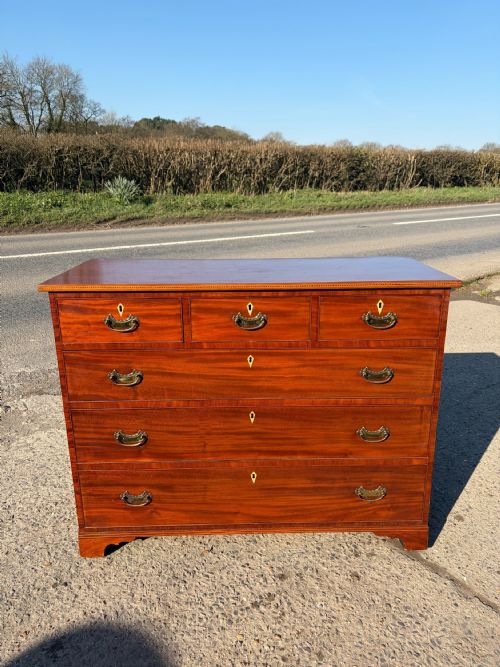
Antique Red Commode
An antique red commode brings bold colour and rich texture to a room, offering practical storage disguised as striking art.
How they were made
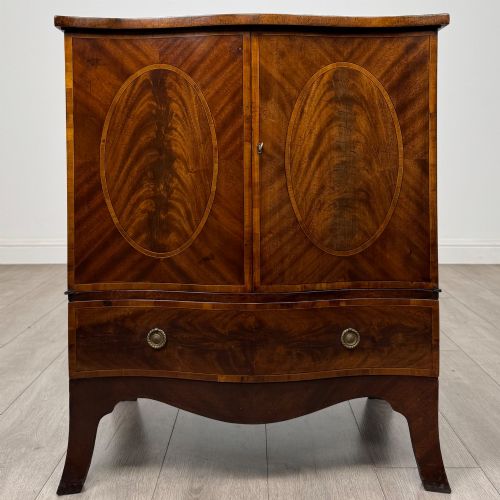
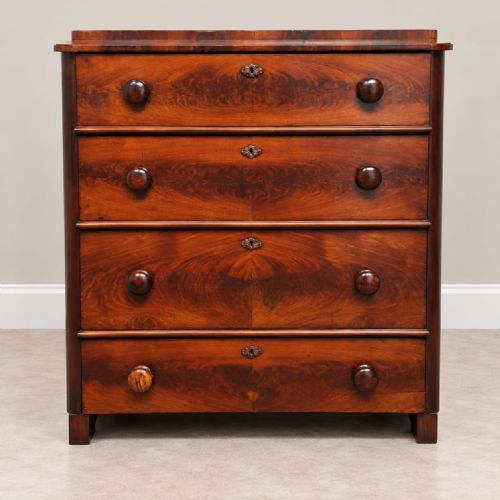
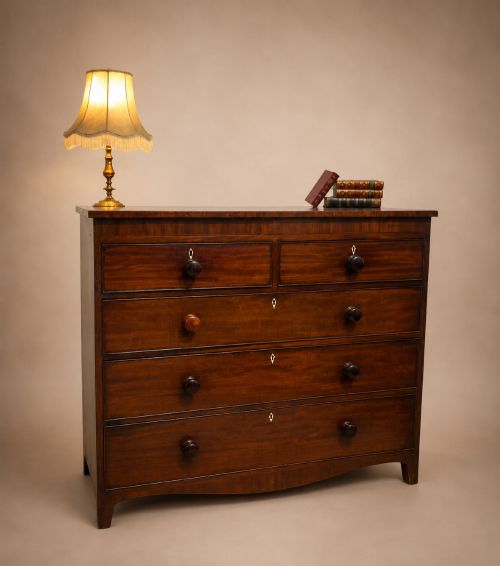
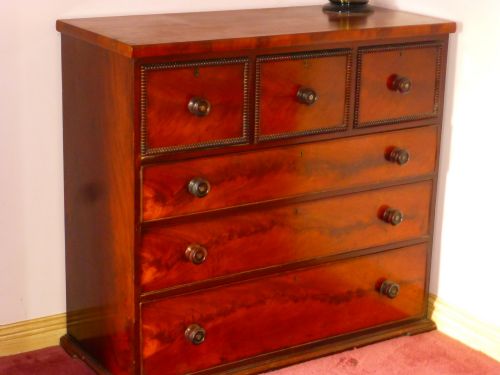
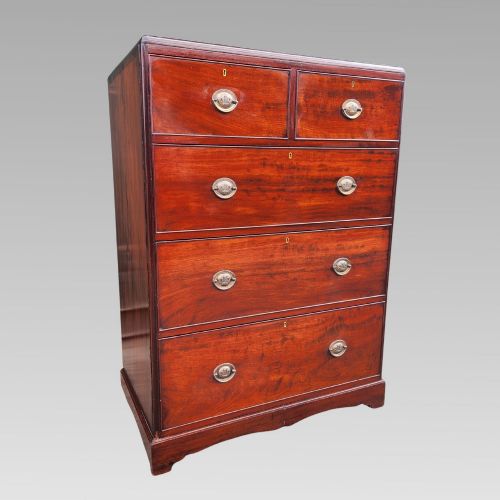
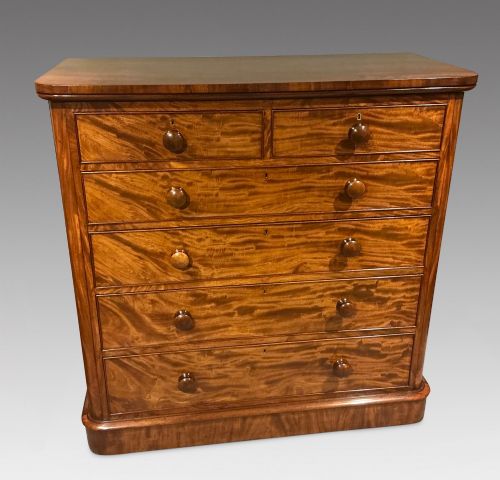
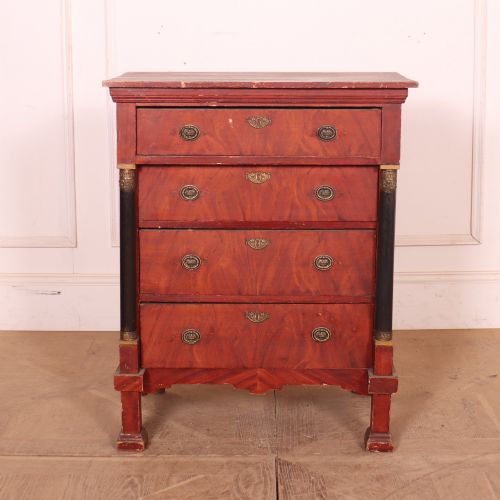
Cabinetmakers constructed these commodes using native timbers such as pine, oak, and walnut, frequently applying flame mahogany veneers to primary surfaces. Carved oak and solid pine form the robust carcasses of continental painted pieces, providing a stable ground for layers of pigment and varnish. Drawer linings typically employ secondary woods like oak or pine, constructed with traditional dovetail joints.
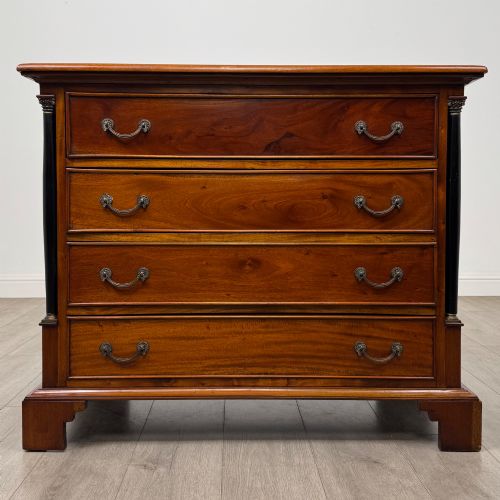
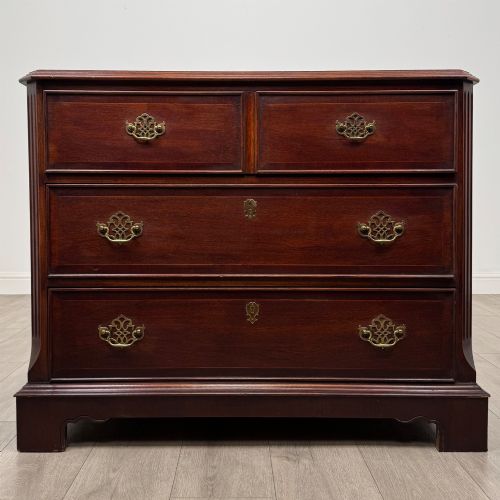
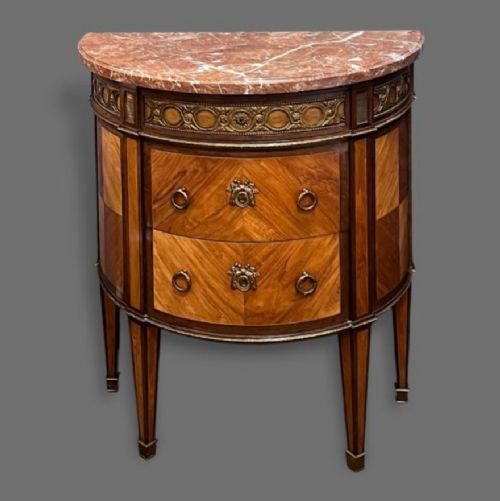
Surface decoration relies on hand-mixed paint, often distressed over time, or meticulous polishing of dense hardwoods. Ormolu mounts, brass handles, and occasionally marble tops complete the construction, combining utility with decorative refinement. The application of red paint or stain ranges from simple country finishes to elaborate Chinoiserie decoration.
What varies in quality
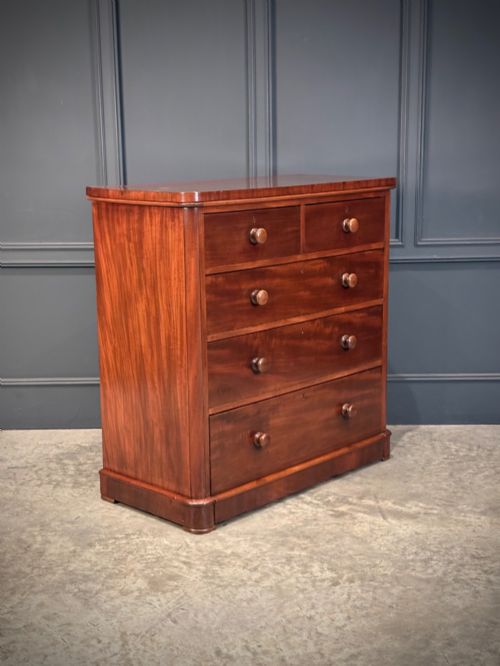
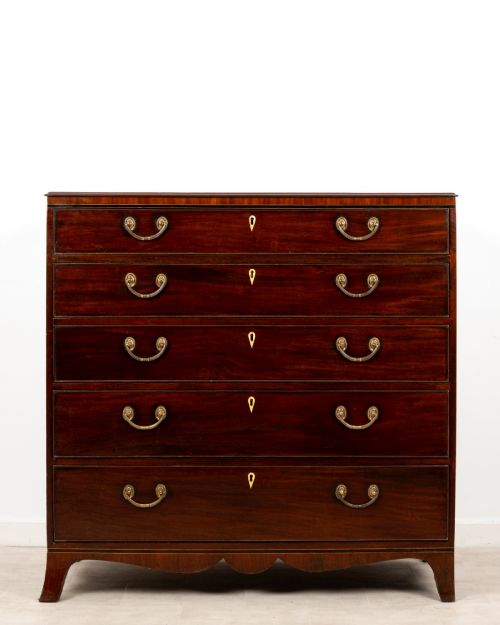
Quality in these pieces rests upon the crispness of the cabinetwork, the integrity of the timber, and the preservation of original painted or polished surfaces. Superior examples display balanced proportions, fine veneer selection, and untouched period hardware such as brass handles. Lesser pieces may exhibit heavy later repainting, replaced drawer runners, or compromises in structural timber.
The distinction between standard domestic items and high-end pieces lies in the subtlety of the craftsmanship and the originality of the finish. Regional variations show in the delicacy of the carving and the depth of the red colouration, whether achieved through natural grain walnut or layered historical paint.
Listings feature pieces spanning the eighteenth, nineteenth, and early twentieth centuries, constructed from mahogany, pine, and oak with painted and marble finishes.
Mon Krieger
The Antique Red Commode Glossary
- Commode
- A low chest of drawers or cabinet, often standing on legs, originating from French furniture design. It functions as both a decorative surface and practical storage.
- Flame mahogany veneer
- A thin slice of mahogany timber cut from the fork of the tree where branches meet, creating a distinctive flickering flame pattern. It decorates the drawer fronts of finer chests.
- Baton
- A concealed pull-out shelf or slide located above the top drawers of a chest, used for writing or placing items temporarily. It is typical of Georgian bachelor chests.
Antique Red Commode: Frequently Asked Questions
How were red commodes used historically?
Historically, commodes served primarily in bedrooms, dressing rooms, and salons for storing clothing, linens, and personal valuables. The pull-out slides found on certain bachelor models provided a temporary surface for writing or folding garments.
Over time, their decorative painted finishes and fine mahogany surfaces also allowed them to function as display pieces in formal hallways and reception rooms.
How do I care for a painted antique commode?
Caring for a painted antique commode requires protecting the historic pigment from moisture, direct sunlight, and excessive friction. Dust the surface gently with a dry, soft cloth and avoid modern chemical cleaners that might strip the aged finish.
Maintain stable humidity in the room to prevent the underlying pine or oak carcass from expanding and cracking the painted layers.
How can I tell an 18th century commode from a later copy?
Distinguishing an eighteenth-century piece involves examining the construction methods, such as hand-cut dovetails on the drawer sides and the wear patterns on the timber. Older commodes show tool marks consistent with period hand-tool use and appropriate timber shrinkage over centuries.
Later revival pieces often display machine-sawn elements, uniform secondary woods, or artificially aged paint that lacks the depth of genuine historical layers.