


Antique Rectangular Tea Table
An antique rectangular tea table brings practical surface space and period timber character into a modern room.
Antique Rectangular Tea Table
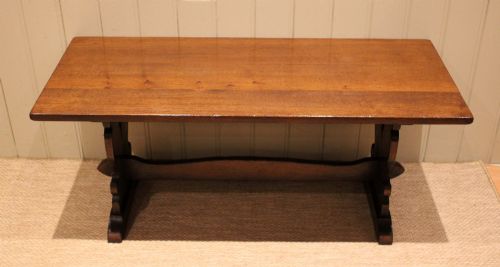
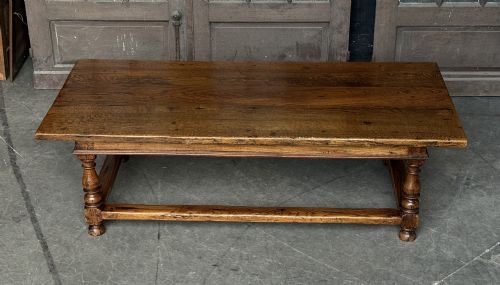
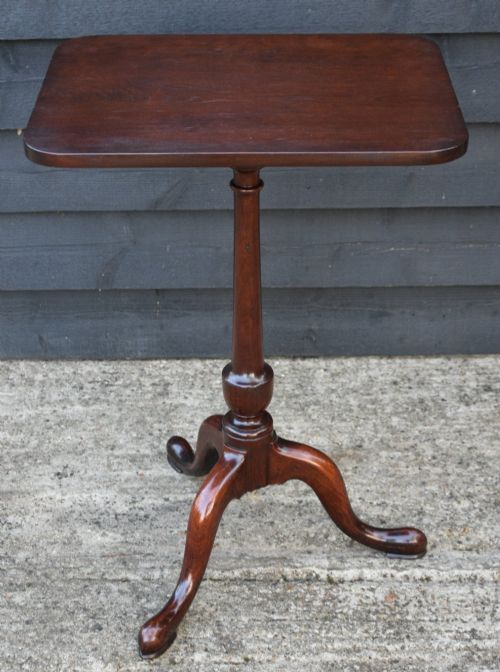
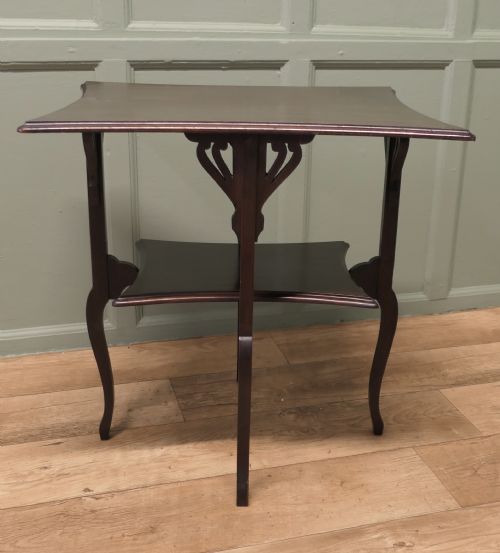
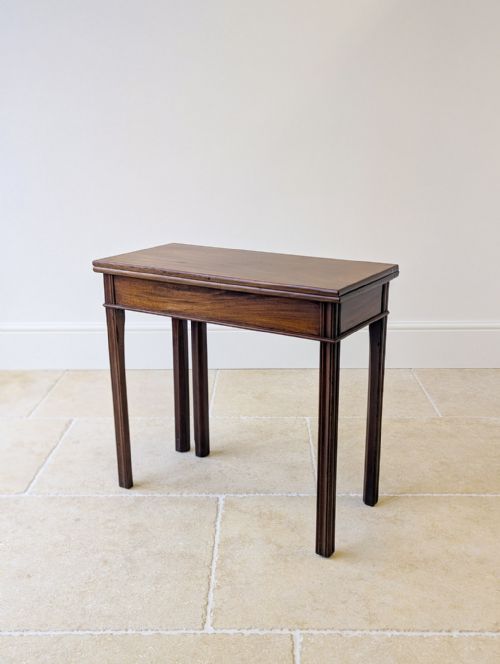
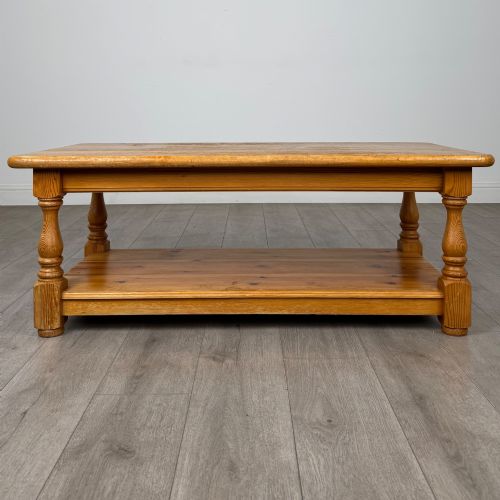
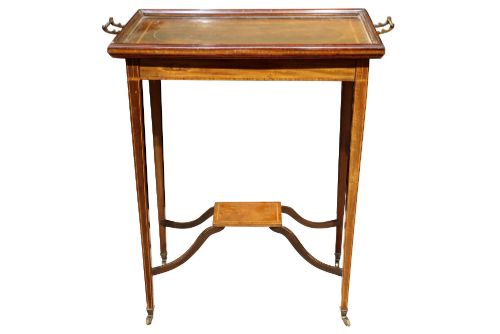
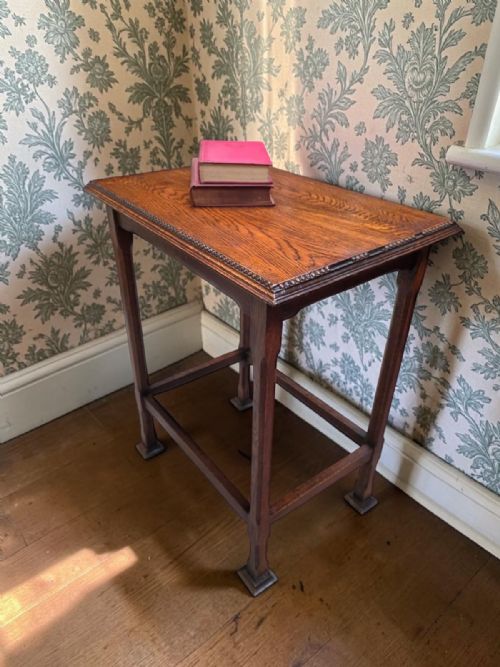
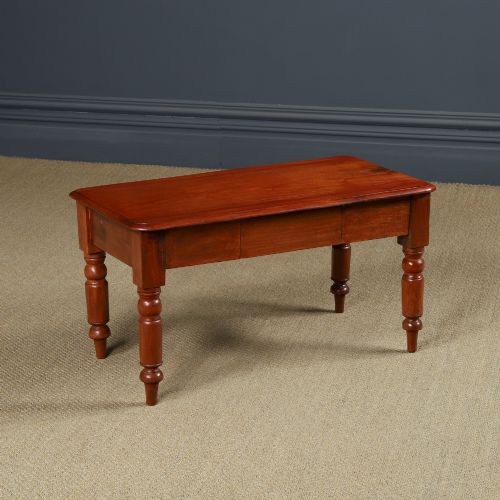
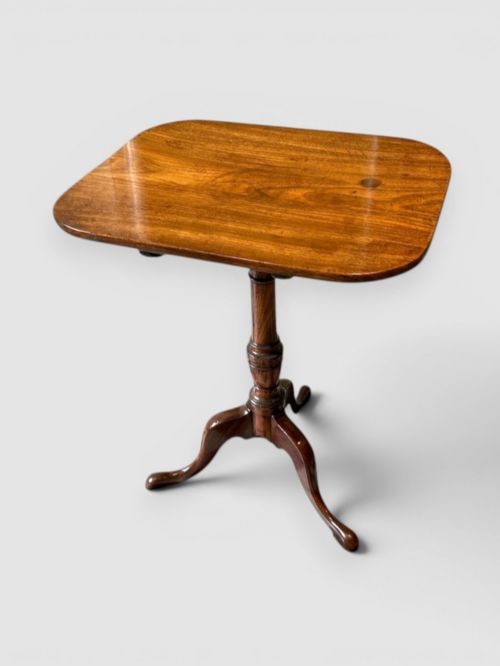
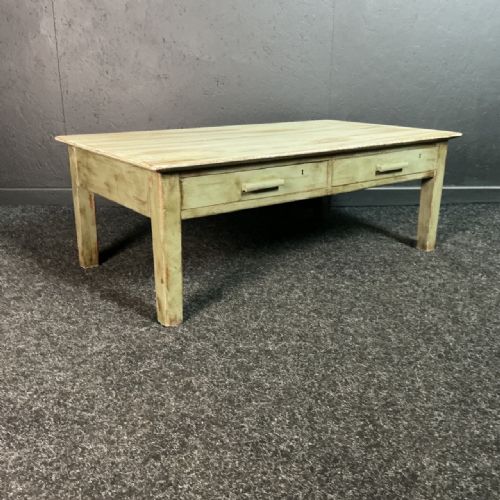
An antique rectangular tea table encompasses versatile forms used for hospitality, dining, and writing across the Georgian, Victorian, and Edwardian eras. Buyers searching for an antique rectangular tea table frequently encounter folding leaf designs, tilt-top mechanisms, and stationary occasional formats.
The selection ranges from George III mahogany fold-over surfaces and William IV rosewood examples to Edwardian inlaid occasional tables and rustic elm low tables. These pieces reflect shifts in domestic interiors from formal tea service to multipurpose everyday use.
Materials and construction methods
Cabinetmakers utilised dense timbers such as mahogany, rosewood, oak, and satinwood, often selecting figured veneers for visual depth on the top surface. Solid secondary woods provide structural integrity beneath the show surfaces.
Joinery methods include precise finger joints, mortise and tenon frames, and specialised bird-cage supports or tilt-top pivots that allow the top to fold or swivel. Inlaid decoration incorporates contrasting lighter woods and brass hardware.
Antique Rectangular Tea Table Retail Price Guide 2026
Typical asking prices for rectangular tea table among the pieces listed under this phrase on Sellingantiques today, from the lower quarter to the upper quarter. They describe what is for sale here now, not the wider market.
Among the unexpected variants, a Bombay Presidency teak elephant table brings mid-nineteenth-century colonial craftsmanship directly into the domestic seating lineup.
Factors determining quality
Superior examples demonstrate crisp execution in timber figure selection, intricate string inlay, and the stability of mechanical pivots like tilt-top hinges and fold-over leaves. The refinement of the leg turning, whether tapering spade feet or pillar-and-base pedestals, dictates the overall elegance.
Lesser quality often reveals unrefined secondary timber use, diminished crispness in carved details, or poorly fitted hinges that compromise the alignment of the folded top. Original surface patination and minimal structural alteration preserve the integrity of the piece.
The Antique Rectangular Tea Table Glossary
- Fold-over top
- A hinged table surface that opens to double its area, frequently used on card and tea tables to reveal a finished interior.
- Tilt-top mechanism
- A pivoting block and catch system allowing the rectangular table top to rotate vertically and store flat against the base when not in use.
- Bird-cage support
- A rotating frame beneath the table top that permits both tilting and revolving movements on a central pillar.
- Inlay
- A decorative technique where contrasting woods or metals are fitted into sunken recesses on the primary timber surface to form patterns.
- Pollard oak
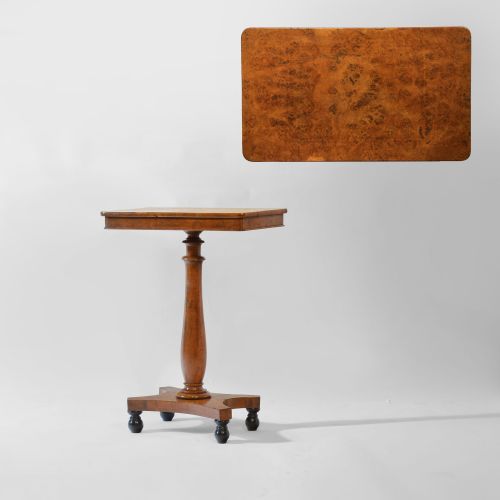
- Timber taken from trees that have been pollarded, producing a densely bundled, highly figured grain pattern prized for tabletop panels.
Antique Rectangular Tea Table: Frequently Asked Questions
How do I use an antique tea table today?
An antique tea table functions effectively as a sofa-side surface, a low coffee table, or a display area for lamps and books in a sitting room.
Fold-over models offer the flexibility to open the surface when hosting guests or keep it closed to save floor space.
What is the difference between George III and Edwardian pieces?
George III pieces typically showcase solid mahogany or figured veneers with restrained classical proportions and minimal ornamentation.
Edwardian tables often feature lighter satinwood inlays, painted decorations, and a greater emphasis on delicate occasional furniture forms.
Can I place hot cups on a rosewood or mahogany surface?
Victorian and Georgian polished timber finishes react poorly to direct heat, moisture, and alcohol spills.
Utilising coasters and placemats protects the historic French polish or wax finish from ring marks and timber lifting.
How does a tilt-top mechanism work?
A tilting table uses a wooden catch or brass latch beneath the top that releases the surface from a horizontal locking position.
Once released, the top pivots on a central pillar, allowing the entire assembly to stand flush against a wall when space is tight.