





Antique Rectangular Footstool
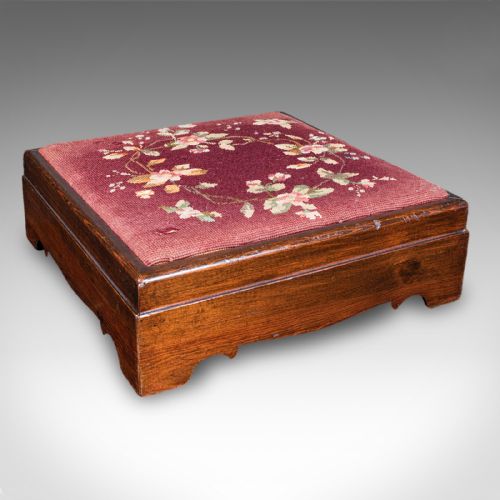
An antique rectangular footstool brings tactile comfort and period character to a room, offering robust support alongside fine timber framing.
Antique Rectangular Footstool
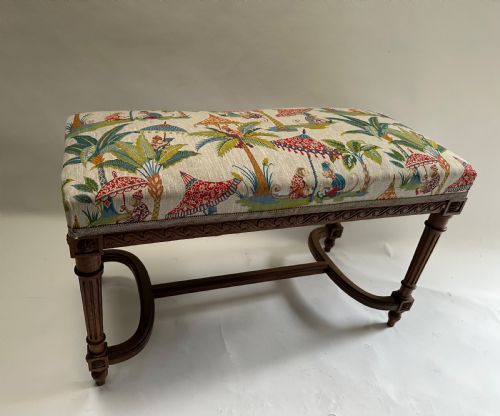
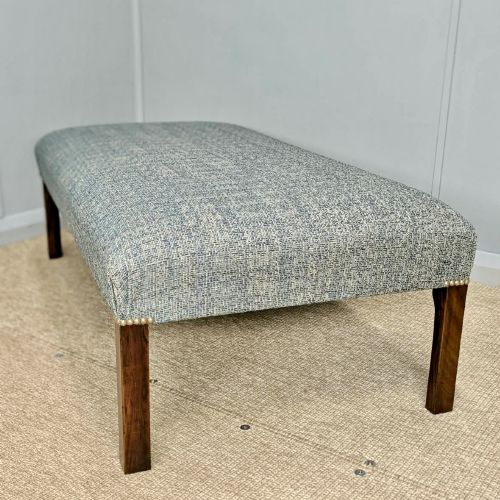
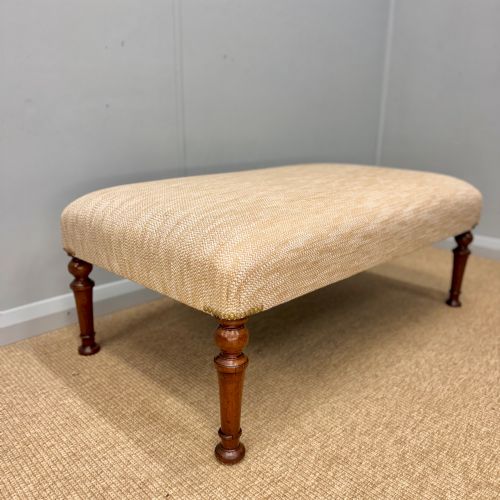
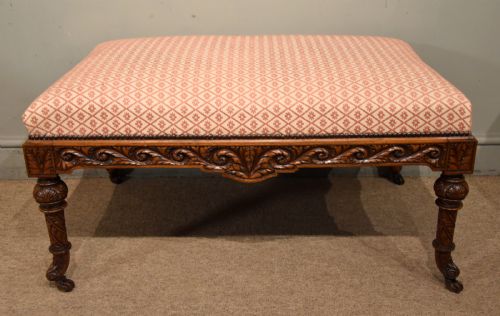
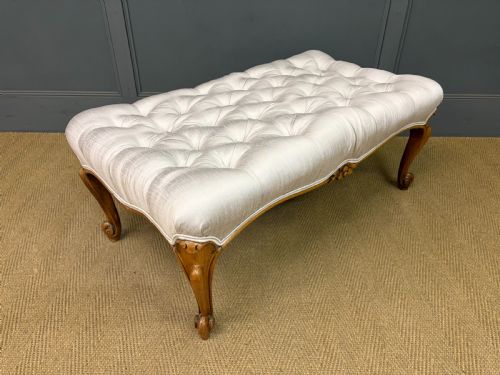
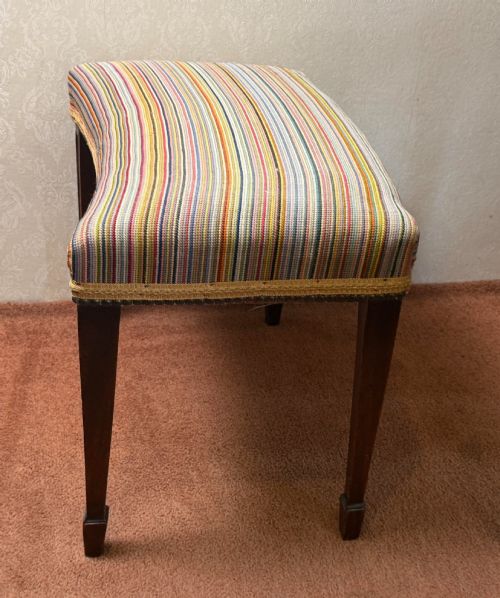
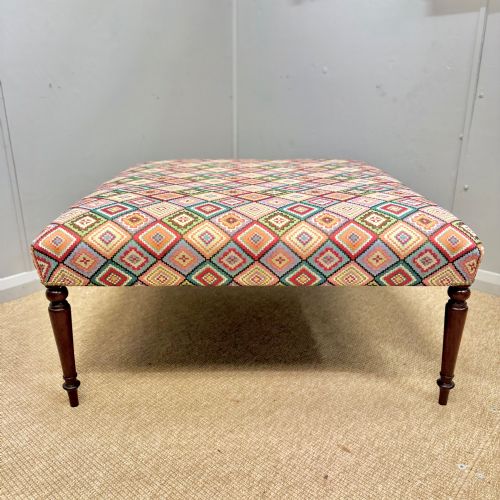
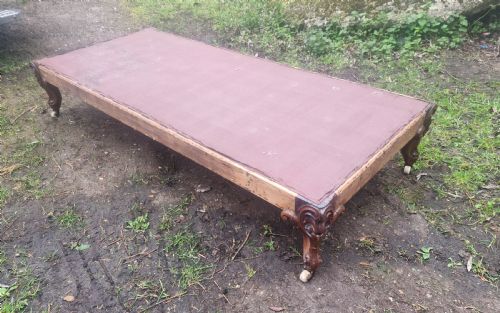
When you search for an antique rectangular footstool, you encounter a diverse array of low seating forms designed for resting feet or serving as fireside seats. These pieces range from substantial Victorian rosewood frames to earlier mahogany examples with square tapering legs.
The most common versions on this page date from the nineteenth century, utilising dense timbers like mahogany and walnut alongside various upholstered finishes. Sturdier oak joint stools and cane-seated variants also appear among the selections.
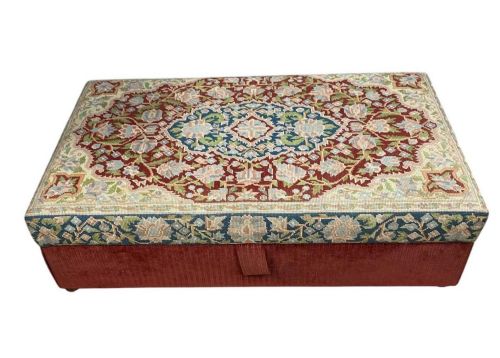
Makers fashioned these low seats for domestic utility, resulting in forms that function equally well as dressing table stools, salon pieces, or low ottomans. Their proportions match the domestic habits of their respective periods, maintaining low profiles and solid timber construction.
How they were made
Cabinetmakers constructed these frames using hardwoods such as mahogany, walnut, rosewood, and oak, joined with traditional framing techniques. Timber components were frequently carved with period details like scrollwork, reeding, or cabriole shaping.
Upholstery formed a core part of the manufacture, employing webbing, stuffing, and coverings of fabric, tapestry, leather, or woven rattan. Brass castors were frequently fitted to the feet of larger nineteenth-century examples to ease movement across heavy carpets.
Antique Rectangular Footstool Retail Price Guide 2026
Typical asking prices for rectangular footstool among the pieces listed under this phrase on Sellingantiques today, from the lower quarter to the upper quarter. They describe what is for sale here now, not the wider market.
Some nineteenth-century examples come fitted with tiny brass wheels just waiting to roll away from clumsy ankles.
What varies in quality
The standard of carving and timber selection dictates the distinction between standard domestic seating and exceptional salon pieces. Fine grain selection in rosewood or walnut and crisp hand-carving on the frame indicate superior workshop production.
Proportion and structural integrity separate robust examples from lesser items. A well-drawn frame maintains balanced lines and tight joints, while subsequent re-upholstery reflects how carefully the underlying structure has been preserved.
Howard and Sons
The Antique Rectangular Footstool Glossary
- Joint stool
- A traditional wooden stool constructed with mortise and tenon joints rather than turned legs inserted into a seat. These sturdy pieces typically date from earlier periods.
- Castor
- A small wheel mounted in a swivel housing attached to the foot of a stool. Brass versions are common on nineteenth-century examples.
- Cross stretcher
- An intersecting timber brace connecting the legs of a stool near the base to provide additional rigidity. They appear on both walnut and mahogany examples.
- Damask
- A reversible figured fabric traditionally woven on a jacquard loom. It provides a formal upholstered finish on period stools.
Antique Rectangular Footstool: Frequently Asked Questions
How do I style a footstool?
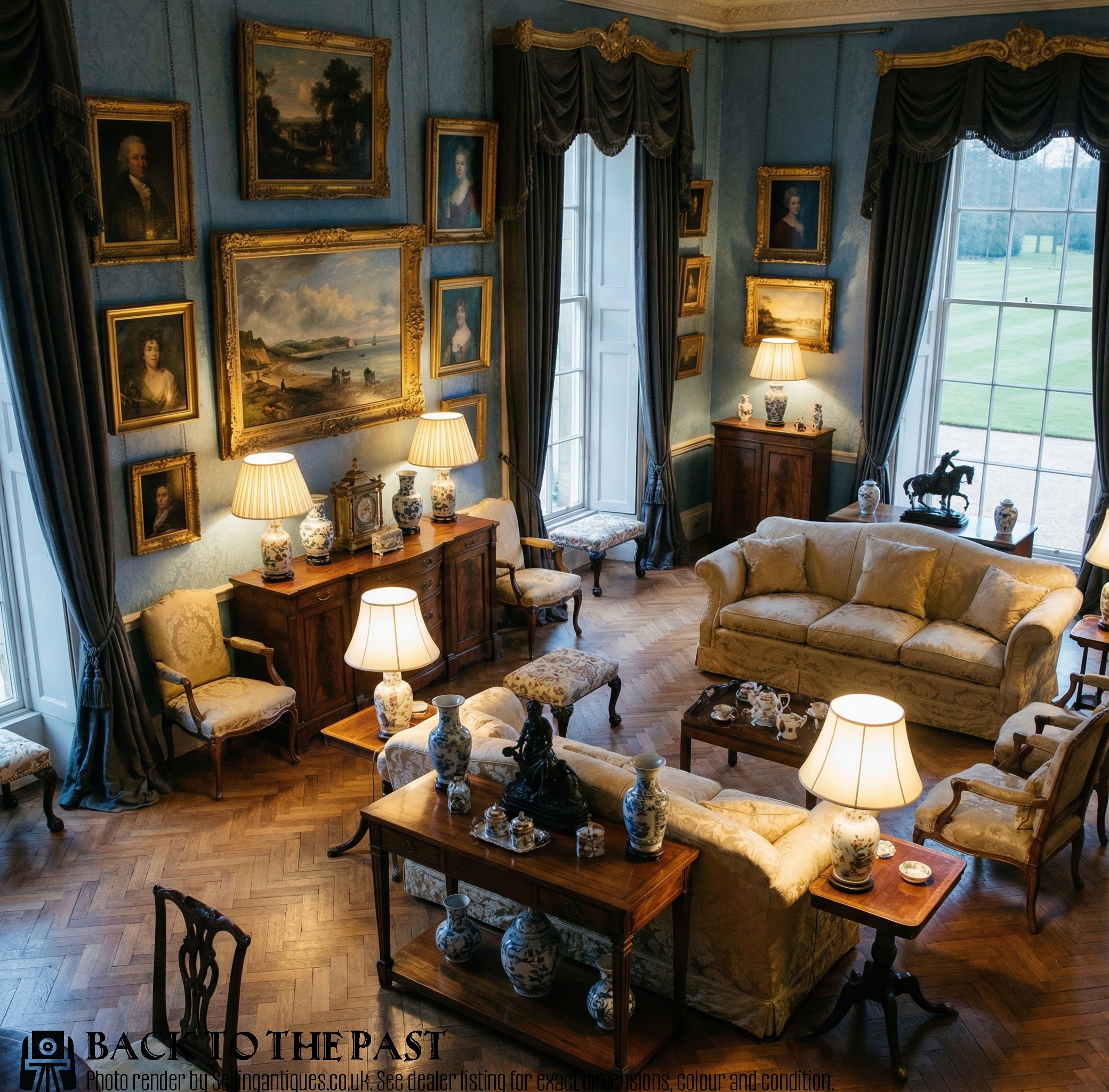
Place a rectangular footstool before a low armchair or fireside seat to create an inviting spot for resting feet. Their modest proportions also allow them to sit neatly beneath console tables when not in use.
Larger upholstered examples can function as impromptu coffee tables when topped with a sturdy tray, combining soft textile textures with hard surfaces for everyday living.
How do I date an antique stool?
Examine the timber species, leg profiles, and construction methods to determine the period of manufacture. Mahogany and square tapering legs often point to the eighteenth century, while rosewood and buttoned leather typically indicate Victorian production.
Stylistic revivals can sometimes blur these lines, as nineteenth-century makers frequently copied earlier Georgian and Baroque designs.
Can I use cane-seated stools daily?
Cane and woven rattan seating provides sturdy support for regular use provided the organic material remains taut and unbroken. Avoid placing excessive localized weight on old cane panels.
Keep woven rattan away from direct heat sources to prevent the natural fibres from drying out and becoming brittle over time.