




Antique Radiator Mascot
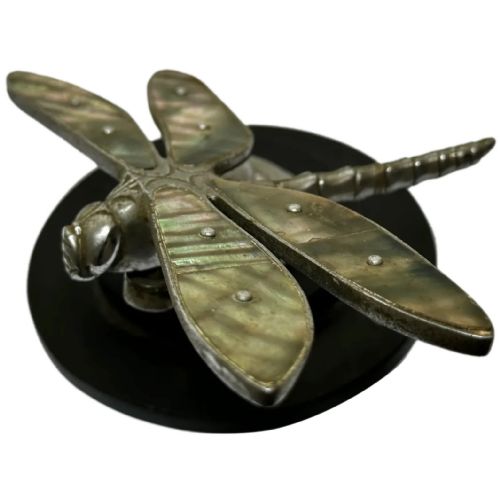
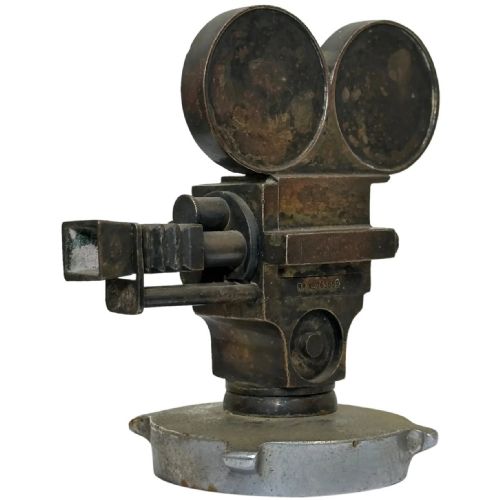
An antique radiator mascot transforms the prow of a motor car into a gallery of glass and metal sculpture.
Antique Radiator Mascot
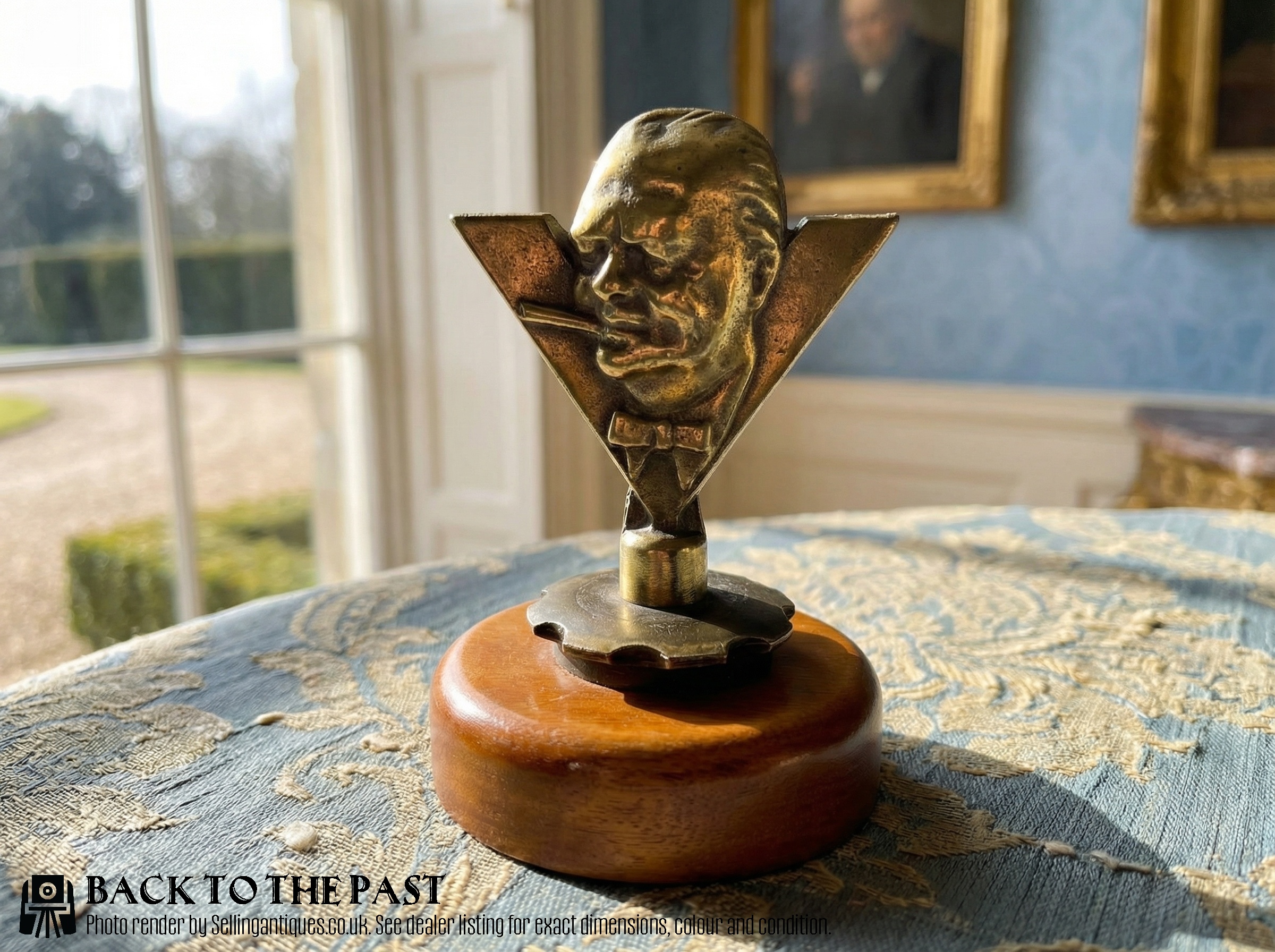
An antique radiator mascot is a sculptural object designed to mount upon the radiator cap of a motor car, spanning forms from animal figures to human portraits. When you search for an antique radiator mascot, you encounter items made to adorn vehicles or serve as desk accessories and paperweights.
The selections on this page bridge automotive history and decorative art, featuring examples created during the Edwardian period, the nineteen-twenties, and the nineteen-thirties. You will find items classified across categories such as automobilia, glassware, and sculptures.
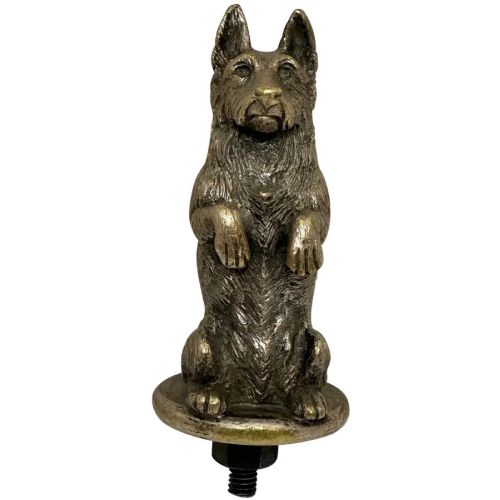
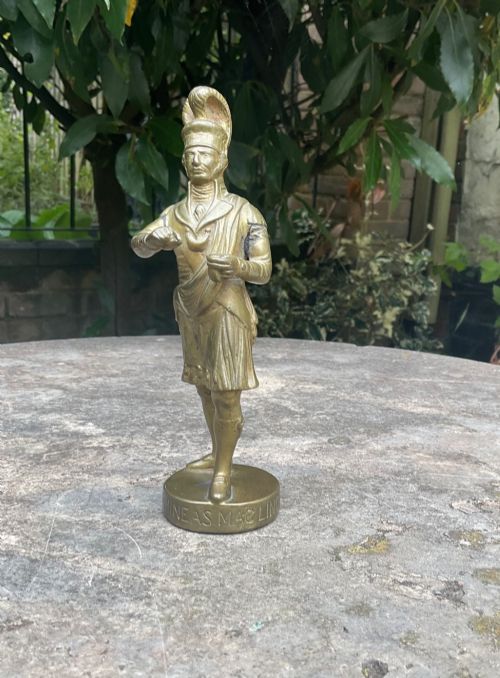
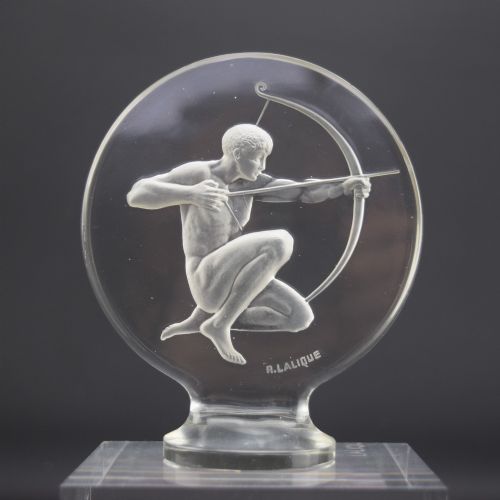
Moulded glass and solid bronze dominate the physical forms, often representing subjects like birds, fish, dogs, and human figures in characteristic Art Deco style. These objects capture a period when motoring was a distinct pursuit that demanded individual expression on the bonnet.
Materials and methods of manufacture
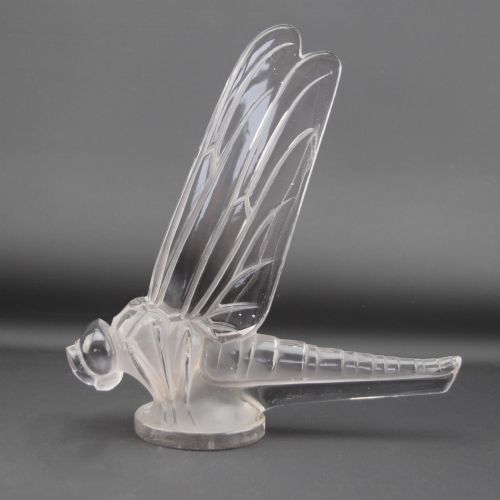
Glass mascots rely on moulding and frosted or opalescent finishes to catch the light, capturing fine details in the wings of insects or the feathers of birds. These pieces require precise cooling and finishing to achieve translucency and depth.
The listings show periods ranging from nineteen hundred through to nineteen-forty, spanning Edwardian and Art Deco aesthetics.
Assessing quality in the collection
The artistic attribution and the fidelity of the design to specific movements, such as Art Deco, separate standard automotive fittings from works by known designers. Original mounts and the integrity of the material define the standing of each item.
Rene Lalique·Desmo·Jose Dunach
The Antique Radiator Mascot Glossary
- Car mascot
- A sculptural ornament mounted on the radiator cap of a motor vehicle. They served both decorative and personal expression purposes during the motoring age.
- Moulded glass
- Glass shaped by being pressed into a metal or wooden mould. This technique allows for complex three-dimensional forms and textured surfaces.
- Opalescent
- Glass that displays milky, milky-blue, or fire-like reflections when light passes through it. It was a signature finish for luxury glass objects of the period.
- Cold painted
- A method of applying paint to bronze objects without subsequent firing in a kiln. The paint sits on the surface and requires careful preservation.
- Automobilia
- Collectables and artefacts connected with motor cars and motoring history. This encompasses everything from mascots to signage and accessories.
Antique Radiator Mascot: Frequently Asked Questions
Where were radiator mascots mounted?
These sculptures were fastened directly to the radiator cap at the front of a motor car, where the engine cooling system met the wind. They stood as prominent markers of identity for the vehicle and driver.
Over time, many were removed for safety or preservation, leading them to be displayed on desks as paperweights or mounted on stands within collections.
What materials are most common?
Moulded glass, frosted glass, bronze, brass, and chrome represent the primary substances used by makers of these decorative objects. Glass versions often employ clear or opalescent qualities to catch daylight.
Metal examples rely on bronze and brass castings, sometimes finished with silver plating, gilt, or cold painted colours to highlight the sculptural details.
How do I identify Art Deco styles?
Art Deco pieces display geometric streamlining, stylised animal and human forms, and a sense of forward motion that suited the ethos of the motor car. Look for clean lines and symmetry.
Makers working in this idiom embraced both the sleekness of metals and the tactile qualities of moulded glass to project modernity.
Can these be displayed off a car?
Yes, many examples spend their lives on desk stands, bookshelves, or cabinets rather than motor cars. They function naturally as sculptural paperweights and small desk accessories.
Collectors frequently mount them on bespoke wooden or metal plinths to exhibit the form safely indoors.