







Antique Rack with Inlay
An antique rack with inlay offers practical storage united with fine decorative woodwork, bringing period character directly into the hallway or study.
Antique Rack with Inlay
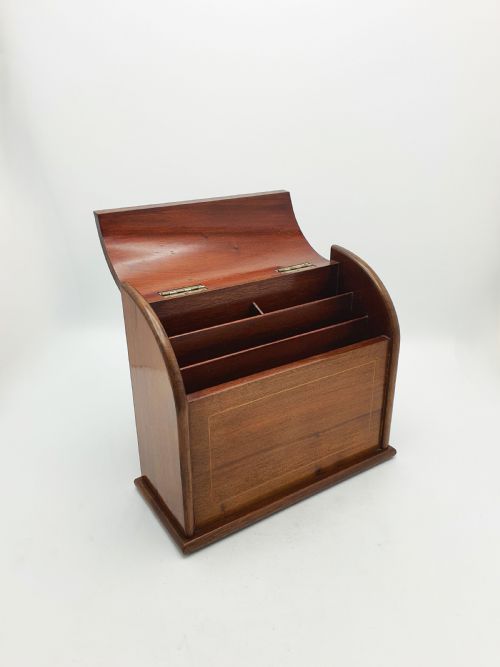
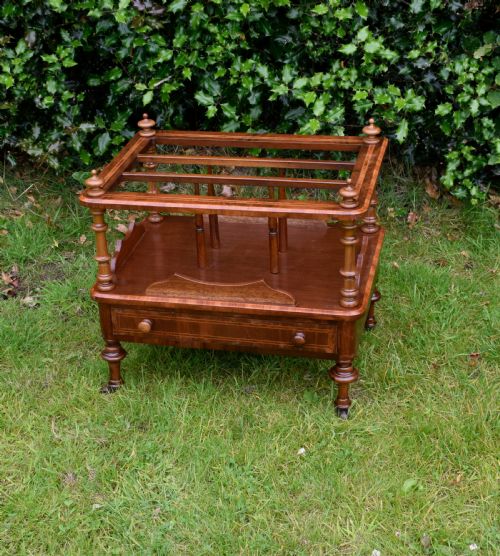
When you search for an antique rack with inlay, you are looking at functional storage pieces that incorporate decorative contrasting wood details. The selection spans robust dressers and smaller desktop accessories, all featuring distinct patterned embellishments.
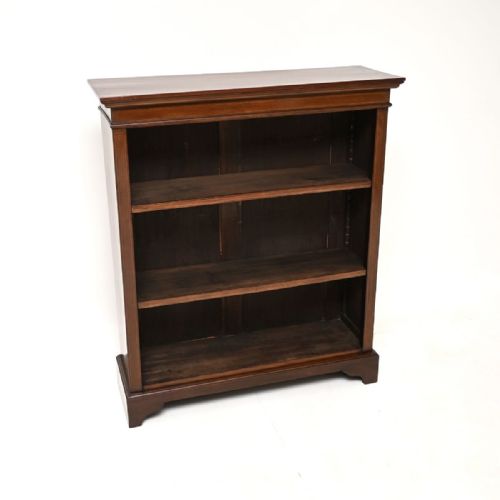
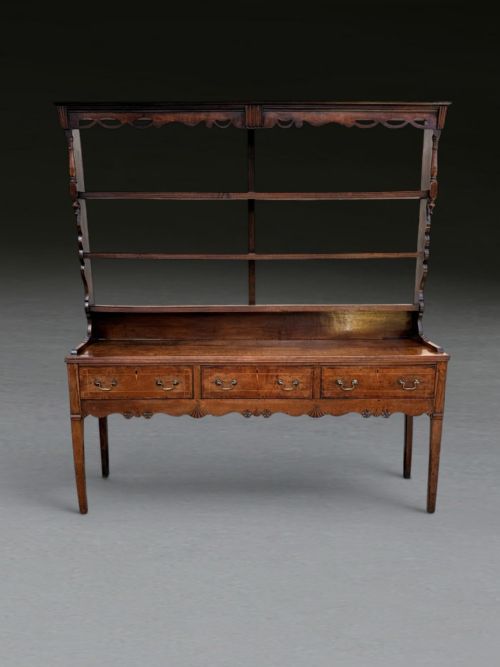
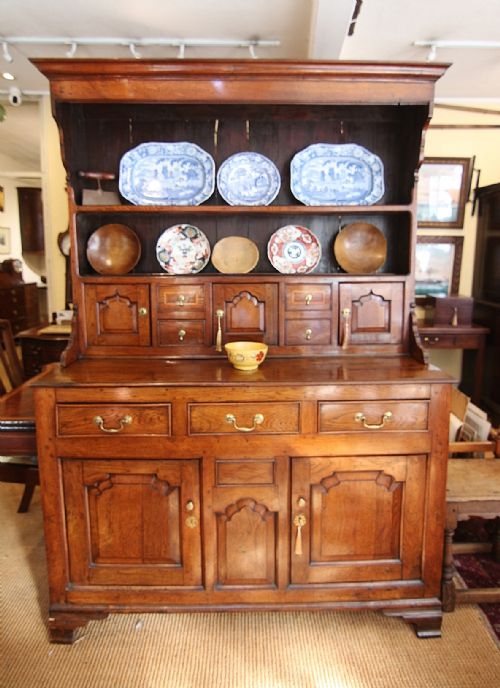
You are most likely to meet mahogany or oak pieces from the Georgian, Victorian, and Edwardian eras. These range from substantial Welsh dressers down to compact desk tidies and bookstands.
Regional variations appear across the inventory, including vernacular Welsh pieces alongside French provincial designs. Each brings specific local cabinetmaking traditions to the use of inlay.
Materials and construction
Makers utilised solid hardwoods like oak, mahogany, and burr walnut as the structural foundation for these pieces. Contrast was achieved through precise boxwood and ebony inlay work.
Additional detailing often incorporated brass hardware, bone elements, or glass panels depending on the specific period and function. French examples additionally employed fruitwood veneers to create lighter surface tones.
Traditional joinery methods secured the main bodies, while decorative stringing and geometric panels were meticulously flush-fitted into prepared channels within the primary timber.
Antique Rack with Inlay Retail Price Guide 2026
Typical asking prices for rack with inlay among the pieces listed under this phrase on Sellingantiques today, from the lower quarter to the upper quarter. They describe what is for sale here now, not the wider market.
Desk tidies often retain old ink stains inside their compartments, proving they actually held someone's working pens long ago.
Judging the execution
Quality separates in the precision of the inlay work and the integrity of the underlying timber. Crisp, tightly fitted geometric patterns demonstrate superior cabinetmaking skill compared to casual or hurried embellishments.
The choice of primary wood also dictates standard, with highly figured burr walnut or select mahogany indicating higher production ambition than standard utility timbers.
Proportion and natural patination complete the assessment, where undisturbed age and balanced dimensions elevate a piece beyond ordinary utility.
The Antique Rack with Inlay Glossary
- Inlay
- The technique of inserting pieces of contrasting material into a recessed wood base to form a decorative design. This creates a smooth, flush surface.
- Stringing
- A narrow strip of contrasting wood used for linear inlay decoration. It frequently outlines drawer fronts or tabletop edges.
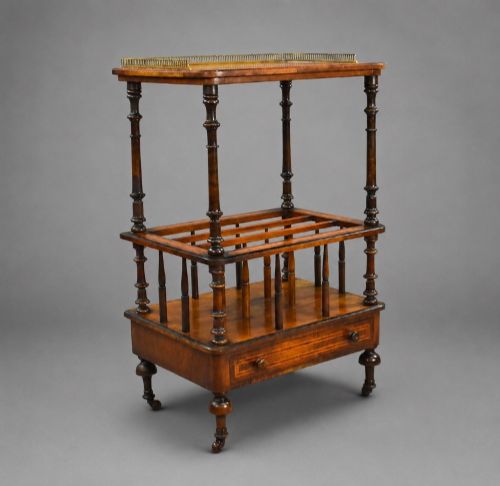
- Whatnot
- A piece of open shelving designed for displaying ornaments or holding books. These often incorporate small drawers or inlaid details.
- Desk tidy
- A small tabletop container fitted with compartments for stationery and writing implements. They commonly feature hinged lids and detailed woodwork.
- Vernacular
- Furniture built by local tradesmen using regional traditions rather than metropolitan high styles. These pieces often utilise native timbers like local oak.
Antique Rack with Inlay: Frequently Asked Questions
How were these pieces used originally?
Larger items like dressers and hall stands organised household tableware or outerwear in communal living spaces. Smaller desk accessories kept writing instruments tidy.
They served practical domestic roles while displaying the owner's taste through fine materials.
How do I care for inlaid wood?
Keep wooden furniture away from direct heat sources and dramatic humidity shifts to protect the delicate inlay adhesives. Regular dusting with a dry cloth maintains the timber.
Avoid heavy liquid polishes that can seep into the joints between the contrasting woods.
How do I identify the period?
Dating relies on observing construction methods, timber choices, and stylistic cues unique to eras like the Georgian or Edwardian periods. Regional vernacular items often display distinct local building habits.
Matching hardware types and secondary woods further clarifies the likely date of manufacture.