



Antique Quimper Faience
Antique quimper faience brings hand-painted French country character into the home through charming ceramic tableware and decorative pieces.
Antique Quimper Faience
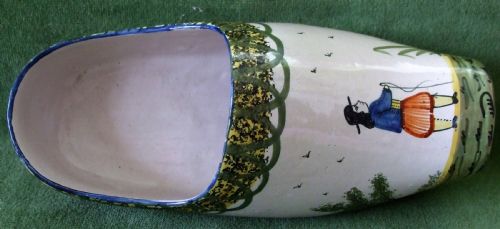
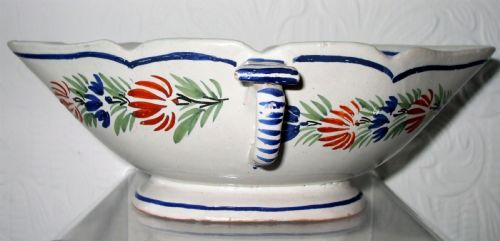
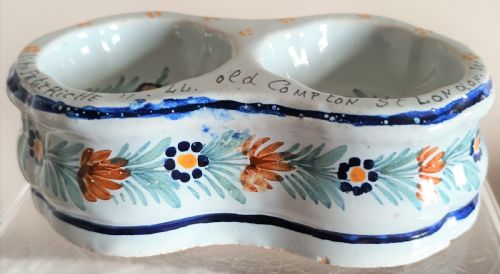
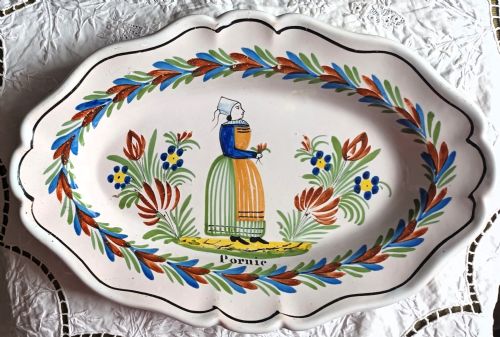
Antique quimper faience encompasses hand-painted ceramic and earthenware items originating from French provincial workshops. Buyers searching for antique quimper faience encounter functional forms such as sauceboats, double table salts, and serving dishes alongside decorative pieces like pin trays, wall pockets, and sabots.
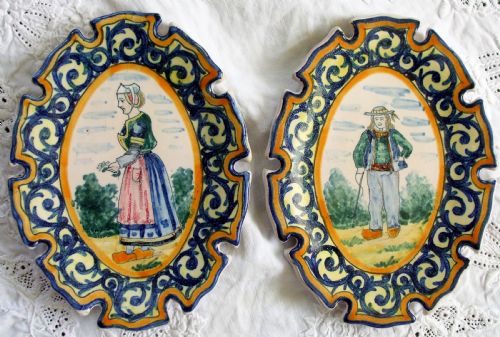
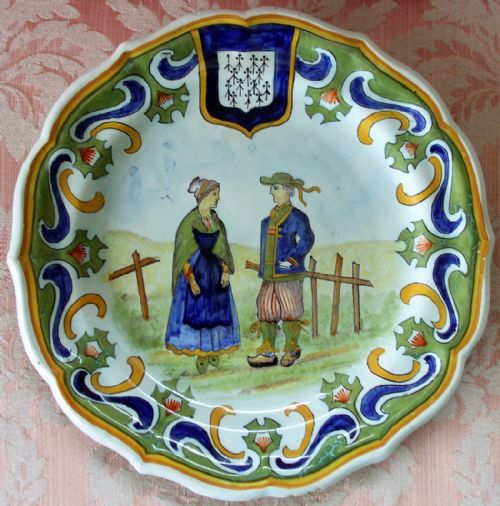
The pieces on this page span the nineteenth century and early decades of the twentieth century, reflecting traditional French country and French provincial styles. Common regional patterns include named patterns like Pornic, painted with characteristic local figures and floral motifs.
How antique quimper faience was made
These items rely on ceramic earthenware bodies coated in tin glaze to create a smooth surface for hand painting. Painters applied colours directly onto the unfired or fired glaze before a final kiln firing fixed the pigments.
Tin-glazed earthenware required careful handling during shaping and firing to prevent warping in the kiln. The resulting glazed earthenware forms provide the durable base characteristic of French faience production.
Antique Quimper Faience Retail Price Guide 2026
Typical asking prices for quimper faience among the pieces listed under this phrase on Sellingantiques today, from the lower quarter to the upper quarter. They describe what is for sale here now, not the wider market.
Pottery cats peer out from wall pockets, watching over the French provincial tableware with unchanging ceramic patience.
What varies in quality
The precision and detail of the hand-painted decoration distinguish finer examples from simpler production pieces. Skilled brushwork in traditional regional clothing and floral borders demonstrates superior workshop execution.
The consistency of the tin glaze and the clarity of the underlying ceramic body also indicate higher quality manufacture. Well-defined markings from factories such as HB and HR add distinct provenance value to individual items.
HB Quimper·HR Quimper·Aladin·Desvres
The Antique Quimper Faience Glossary
- Faience
- Tin-glazed earthenware decorated with painted designs before firing. This ceramic technique defines the traditional pottery of French regional workshops.
- Sabot
- A traditional wooden clog shape rendered in ceramic form. These decorative shoes often serve as small planters or desk ornaments.
- Encrier
- An inkwell designed for desk use. These receptacles typically feature integrated pen rests and ink reservoirs.
- Sauceboat
- A vessel fashioned with spouts for serving sauces at the table. Double sauceboats feature two pouring ends for convenience.
- Wall pocket
- A decorative vessel shaped to hang flat against a wall. These holders display dried flowers or small items.
Antique Quimper Faience: Frequently Asked Questions
What is quimper faience?
Quimper faience is tin-glazed earthenware produced in the French town of Quimper. It is distinguished by hand-painted designs depicting regional figures, flowers, and provincial scenes.
The tradition spans centuries, incorporating specific workshop marks and styles that collectors use to identify individual pieces.
How do I clean antique faience?
Clean antique faience gently using warm water and a mild soap. Avoid harsh detergents and abrasive sponges that can damage the tin glaze.
Dry the ceramic thoroughly with a soft cloth to protect the painted surface from moisture damage over time.
Are these pieces safe for food?
Historic tin-glazed earthenware can be porous and may contain older lead-based glazes. It is generally advisable to use antique quimper pieces for display rather than daily dining.
Treat serving dishes and sauceboats as decorative items to preserve their painted finishes and structural integrity.
How do I identify maker marks?
Maker marks appear on the underside of the ceramic as painted or impressed letters and monograms. Initials like HB and HR correspond to specific historical French workshops.
Comparing these ciphers against known factory timelines helps establish the production era of each item.