

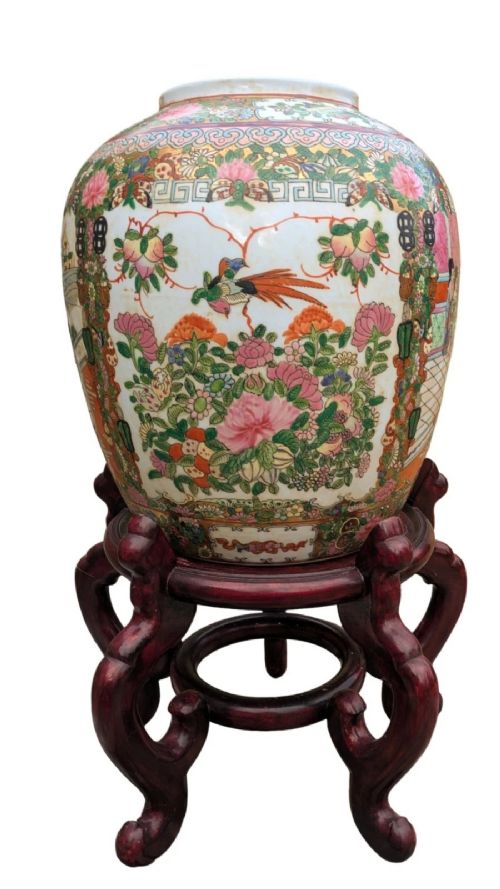
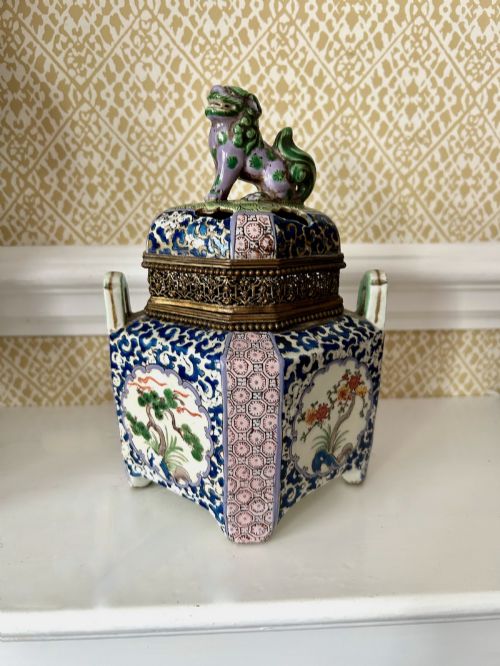
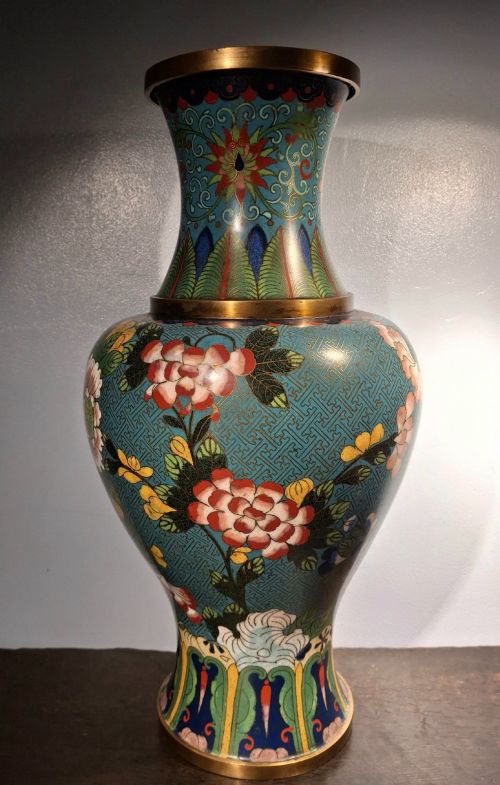
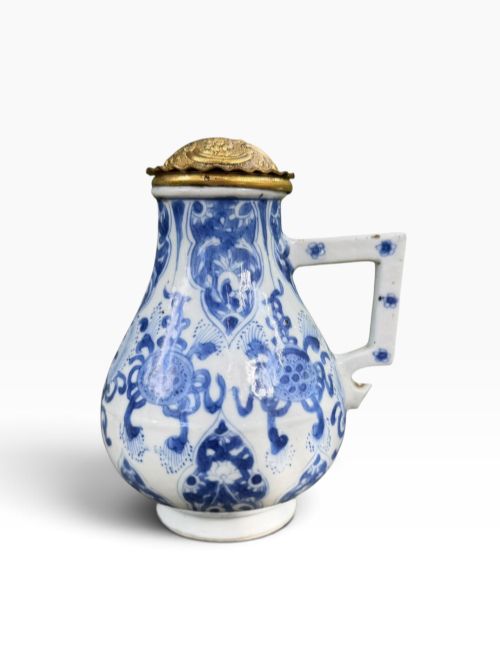

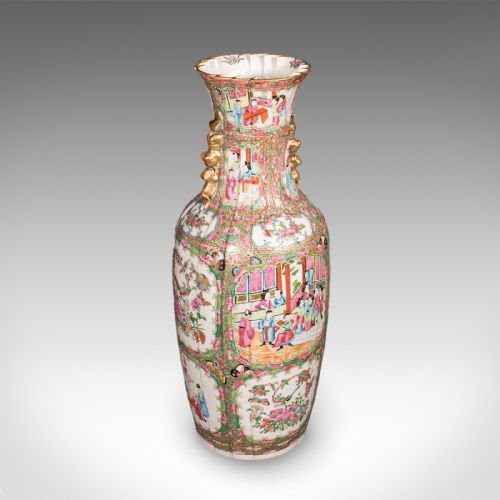


Antique Qing Porcelain Vessel
An antique qing porcelain vessel brings the artistry of imperial kilns and scholarly desks into a modern interior.
Antique Qing Porcelain Vessel
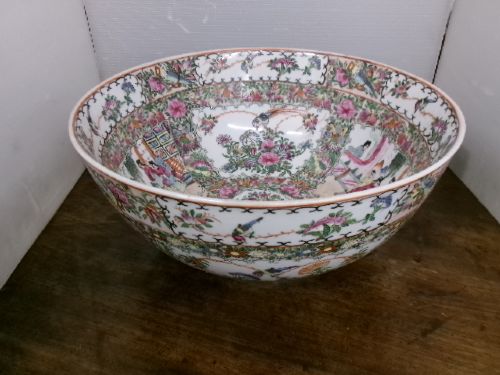
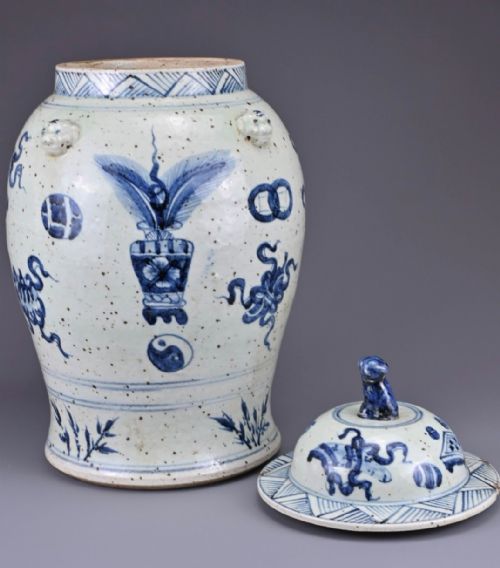
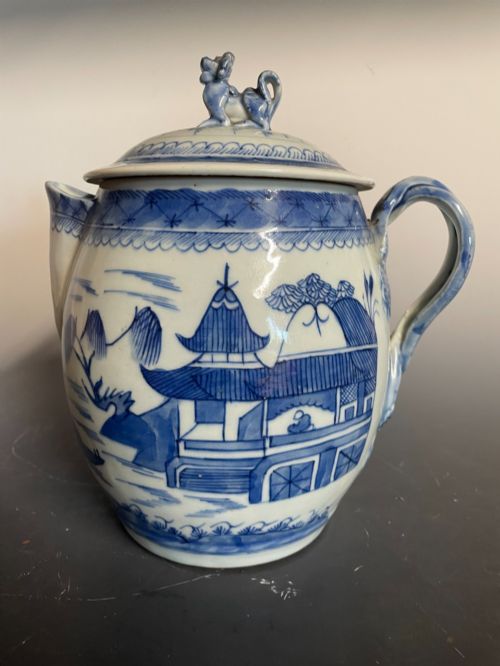
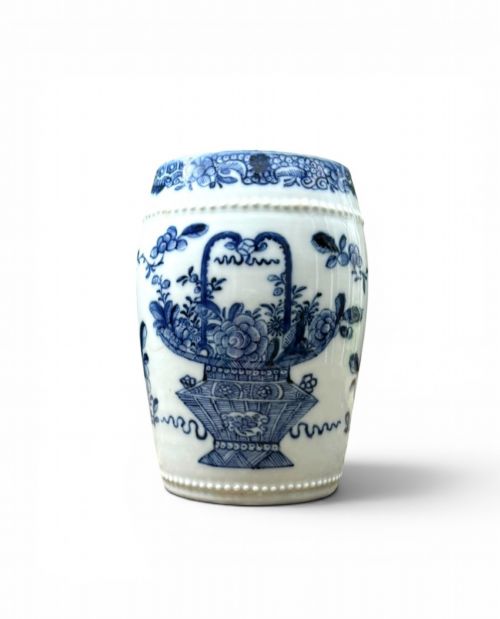
When you search for an antique qing porcelain vessel, you encounter items shaped for scholarship, ritual, and display across multiple centuries of Chinese ceramic tradition. The selection ranges from robust blue and white jars and double-gourd vases to delicate brush washers, bitong pots, and snuff bottles made during the Qing Dynasty.
Most pieces you meet on this page date from the eighteenth and nineteenth centuries, spanning reigns such as Kangxi, Qianlong, and Guangxu. Forms include ginger jars, stem cups, meiping vases, and tea dust or iron rust glazed vessels created for court use or export.
The objects reflect specific utilitarian and aesthetic purposes, from scholar's desk accessories like brush pots and bitong to large centrepiece bowls and covered tureens. Each item demonstrates the distinct throwing, glazing, and painting techniques characteristic of imperial and provincial kilns of the era.
Understanding quality differences
Quality in these ceramics rests upon the precision of the throwing, the refinement of the clay body, and the control demonstrated during high-temperature firing. Superior examples exhibit balanced proportions, crisp potting, and even glaze application without distortion or excessive kiln flaws.
The clarity and detail of hand-painted decoration significantly distinguish pieces, with finely rendered dragons, florals, and figures demonstrating superior artistic execution. Imperial-quality items display meticulous brushwork, sophisticated palette control, and often authoritative reign marks corresponding to periods like Kangxi or Qianlong.
Antique Qing Porcelain Vessel Retail Price Guide 2026
Typical asking prices for qing porcelain vessel among the pieces listed under this phrase on Sellingantiques today, from the lower quarter to the upper quarter. They describe what is for sale here now, not the wider market.
Listings feature porcelain vessels spanning the seventeenth, eighteenth, and nineteenth centuries, including blue and white, famille rose, and monochrome glazed items.
The Antique Qing Porcelain Vessel Glossary
- Bitong
- A cylindrical brush pot used on a scholar's desk for holding writing implements. These vessels are frequently carved from porcelain with blue and white or monochrome glazes.
- Doucai
- A decorative technique combining underglaze blue outlines with overglaze polychrome enamels. Artisans first paint the contour in blue, fire the piece, then fill the design with enamels before a second lower-temperature firing.
- Meiping
- A high-shouldered vase featuring a narrow neck, traditionally designed to hold a single plum branch. The form requires high skill in throwing to maintain balanced proportions.
- Blanc de Chine
- A white porcelain produced at Dehua in Fujian province, known for its milky glaze and lack of colour decoration. Pieces often feature delicate moulded plant or animal motifs.
- Flambé glaze
- A streaked or mottled high-temperature copper glaze resulting in unpredictable pools of purple, red, and blue. Kiln conditions determine the final colour variation on these vessels.
Antique Qing Porcelain Vessel: Frequently Asked Questions
What were brush pots used for?
Brush pots served as practical containers on the desks of Chinese scholars, holding calligraphy brushes upright when not in use. They formed part of the essential scholar's studio equipment alongside brush washers and water droppers.
Over time, these objects became valued art pieces displaying intricate carved designs or fine monochrome glazes.
How should I clean porcelain vessels?
Maintenance requires gentle dusting with a soft, dry cloth to remove surface particles without abrasive contact. Avoid using harsh chemical cleaners or submerging antique items in water for extended periods.
Displaying pieces away from direct sunlight and extreme temperature fluctuations preserves the integrity of glazes and enamels.
What is the difference between export and imperial wares?
Imperial wares were commissioned for use within the court and often exhibit superior potting, refined materials, and precise imperial reign marks. Export wares were produced in large quantities for international markets, featuring distinct decorative styles tailored to foreign tastes.
Both categories share traditional manufacturing techniques while serving different historical markets and patrons.