







Antique Qashqai Textile
An antique qashqai textile brings vibrant nomadic artistry into a room through rich tribal rugs and smaller utility bags.
Antique Qashqai Textile
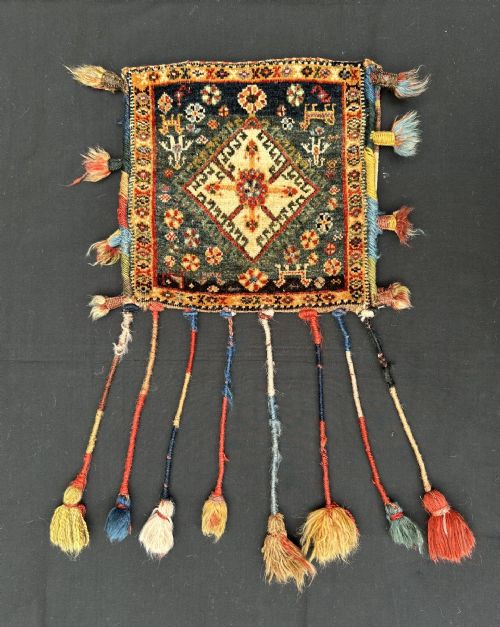
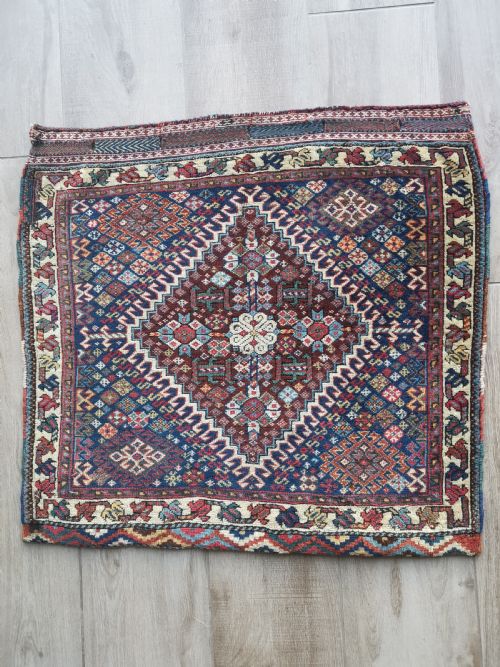
When you search for an antique qashqai textile, you encounter woven works originating from the Fars province of south-west Persia. These items stem from nomadic and confederacy groups including the Bolvardi, Kashkuli Tayefeh, Darrehshuri Tayefeh, Shekarlu Tayefeh, and Ard Kapan Taifeh sub-tribes.
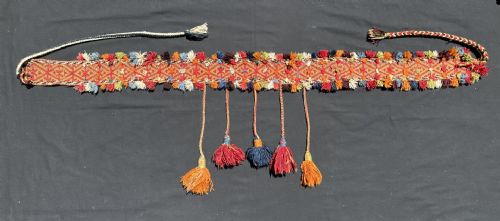
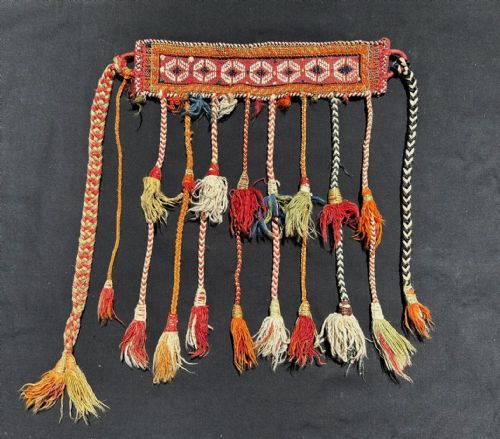
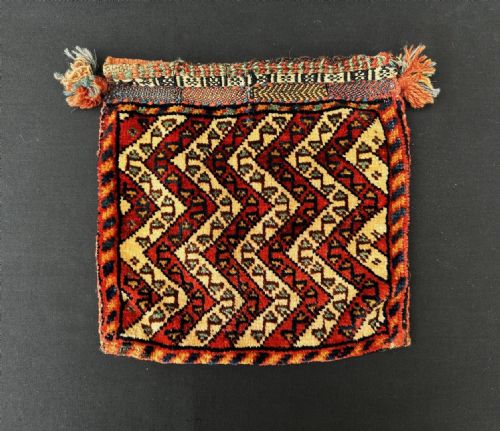
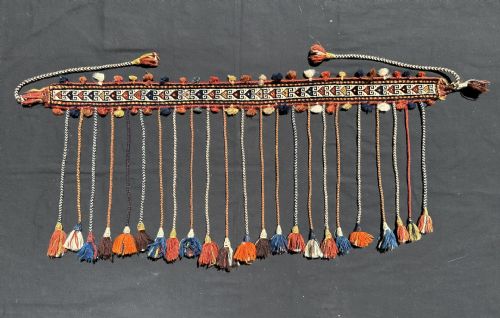
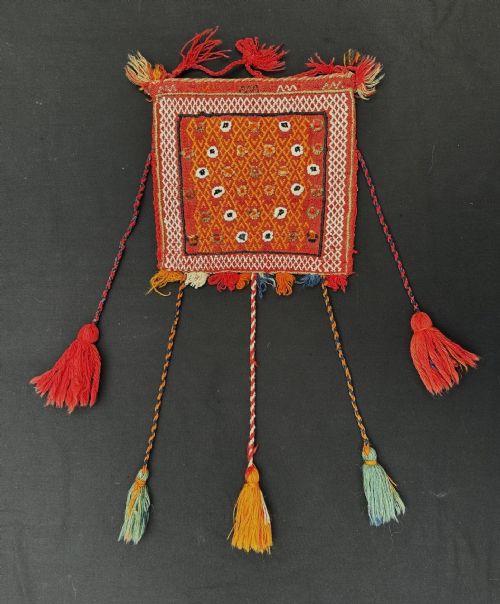
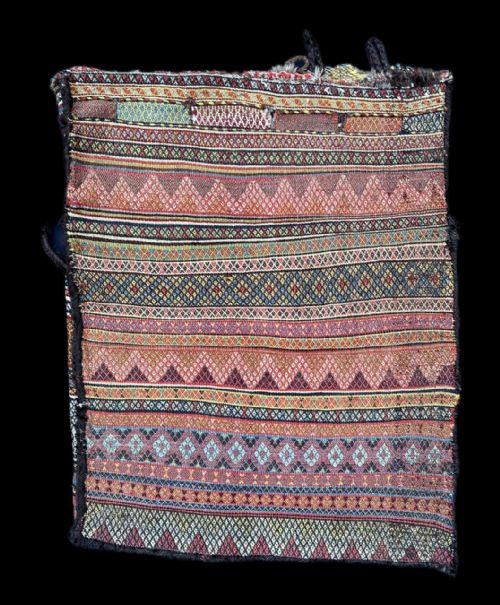
The selection on this page centres heavily on smaller utility pieces rather than large floor carpets. Common forms include saddlebag faces, vanity bags, animal trappings, horse decorations, salt-bags, spoon bags, and baby cradles alongside tribal rugs and wall hangings.
Most examples date from the late nineteenth century through to the early decades of the twentieth century. These objects served practical nomadic functions before transitioning into decorative items for modern interiors.
How they were made
The weavers utilised hand-spun wool for the pile and structure, combining it with cotton foundations in specific pieces. Natural dyes provided the characteristic deep palette found across these tribal artefacts.
Nomadic weavers constructed these items using hand-knotted techniques for rugs and bag faces, often incorporating leather and wood components for structural utility. The resulting textiles reflect traditional regional patterns passed down through generations.
Antique Qashqai Textile Retail Price Guide 2026
Typical asking prices for qashqai textile among the pieces listed under this phrase on Sellingantiques today, from the lower quarter to the upper quarter. They describe what is for sale here now, not the wider market.
Several bags were specifically designed to hold water-pipes, keeping nomadic comforts intact on the move.
What varies in quality
Quality in these textiles depends heavily on the fineness of the knotting and the complexity of the tribal design. Pieces displaying tighter construction and intricate central medallions stand apart from simpler utility weaves.
The vibrancy and retention of natural dyes heavily influence the visual impact of each piece. Surviving examples that retain their original leather attachments, wooden elements, or complete bag structures command greater interest from collectors.
The Antique Qashqai Textile Glossary
- Bagface
- The decorative front panel of a nomadic saddlebag, often preserved independently after the back portion wore away. These square or rectangular panels display the primary design motifs.
- Tayefeh
- A Persian term denoting a tribe or clan within a larger confederacy. Specific tayefeh groups developed distinct colour combinations and pattern variations.
- Moj
- A traditional flatwoven cover or blanket produced by tribal weavers. These textiles utilise supplementary weft-wrapping techniques rather than a knotted pile.
- Trapping
- An ornamental textile designed to adorn horses or other working animals during tribal migrations or ceremonies. These items feature specialised shapes tailored for animal anatomy.
- Fars Province
- The historical mountainous region in south-west Persia where the nomadic tribes wintered and produced their woven arts. The geography influenced the materials and pastoral motifs.
Antique Qashqai Textile: Frequently Asked Questions
What are antique qashqai textiles?
These are woven items created by nomadic tribes in south-west Persia, encompassing everything from utilitarian bags to larger floor coverings.
They reflect the traditional daily life and artistic expression of pastoral groups living in the Fars province.
How were these bags used?
Nomads utilised these woven pieces for practical storage during seasonal migrations across the mountainous terrain.
Items functioned as salt-bags, vanity pouches, horse blankets, and saddlebags to carry personal possessions on animals.
How do I display a textile?
Smaller bag faces and wall hangings mount securely onto fabric-wrapped boards or display behind conservation glass.
Larger tribal rugs suit traditional floor placement in low-traffic areas away from direct sunlight.
How do I identify specific sub-tribes?
Attribution relies on examining the specific wool texture, structural format, and distinct colour palettes associated with groups like the Kashkuli or Darrehshuri.
Sub-tribe identification often appears in specialist records tied to regional weaving characteristics.