




Antique Putti Lamps
These antique putti lamps bring figural charm to a room, combining sculpted cherubs with functional lighting across various periods.
Antique Putti Lamps
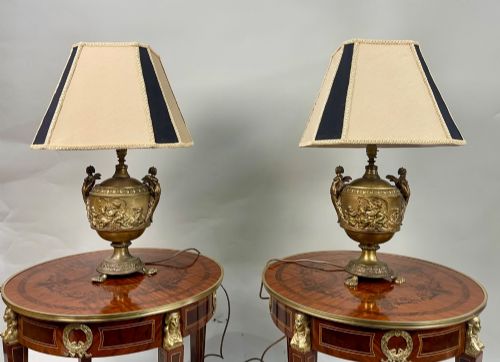
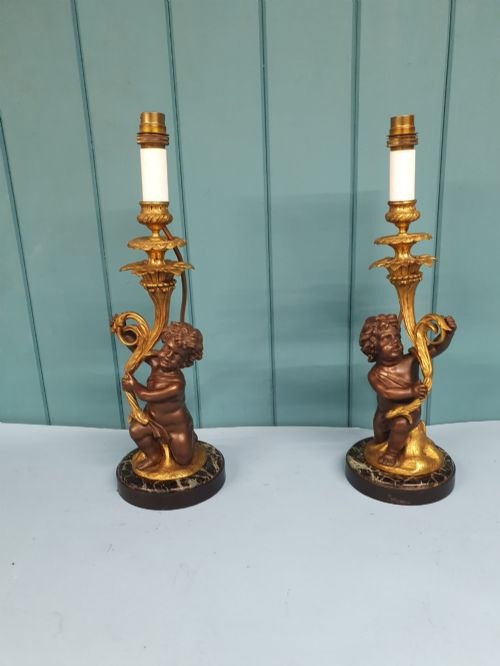
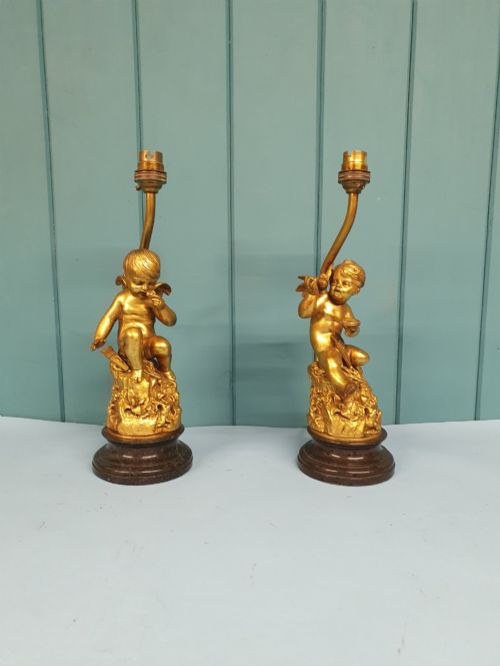
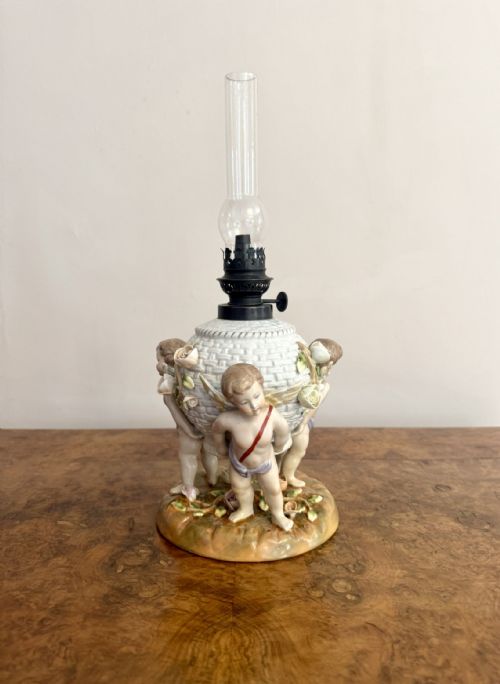
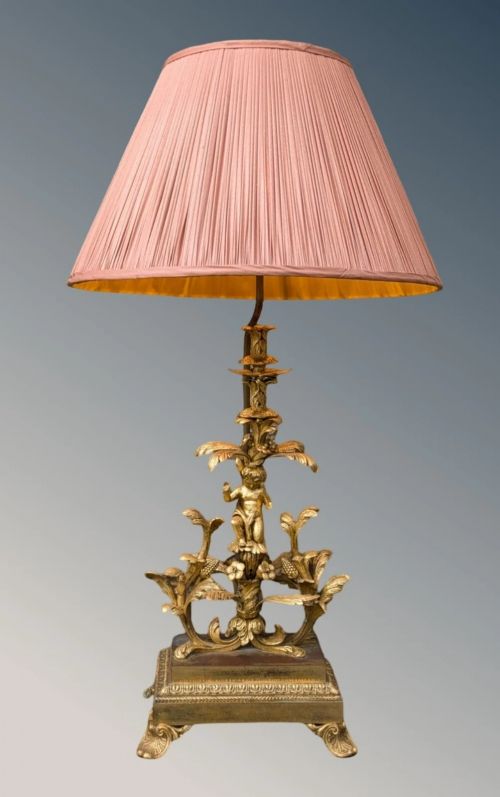
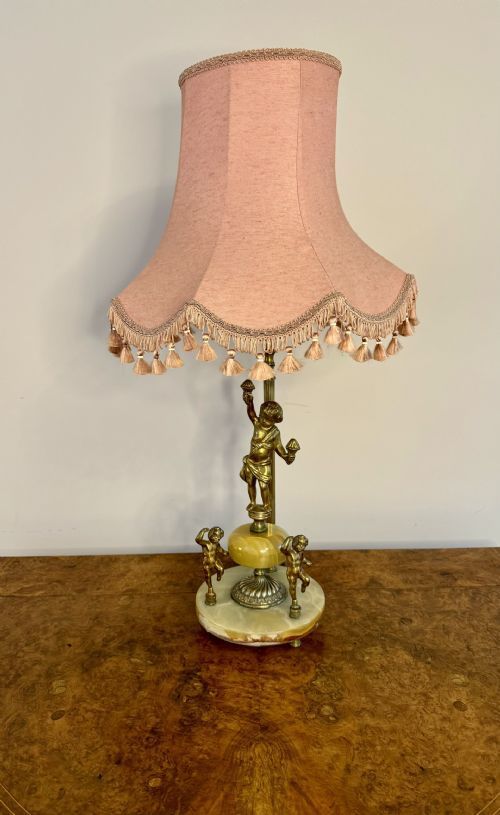
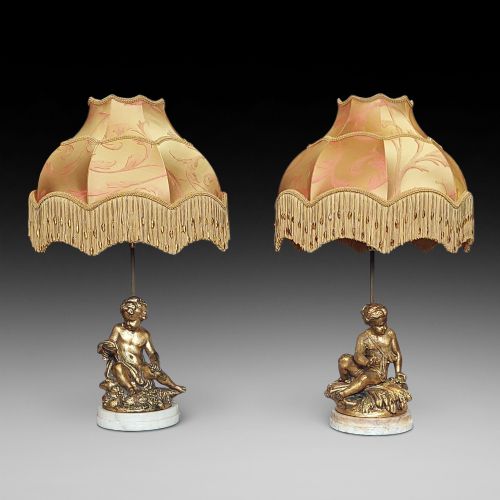
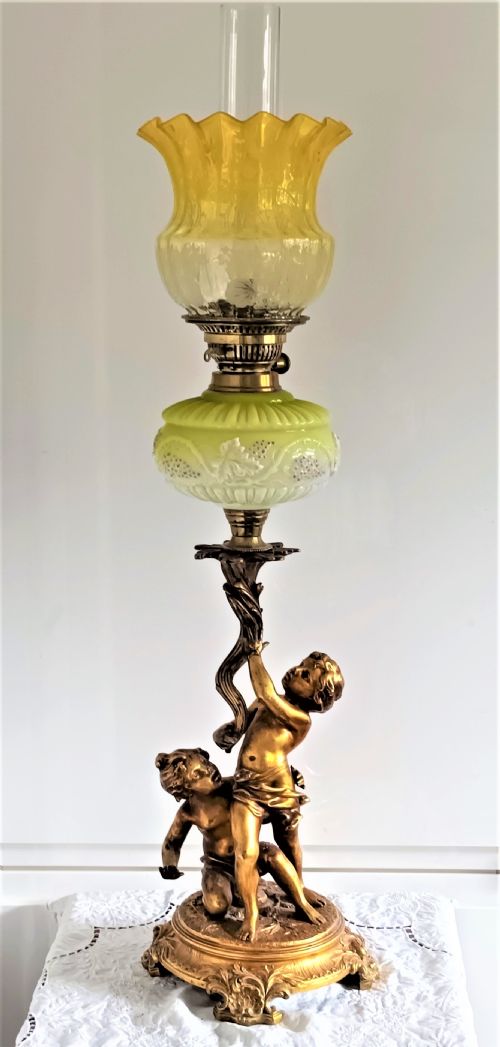
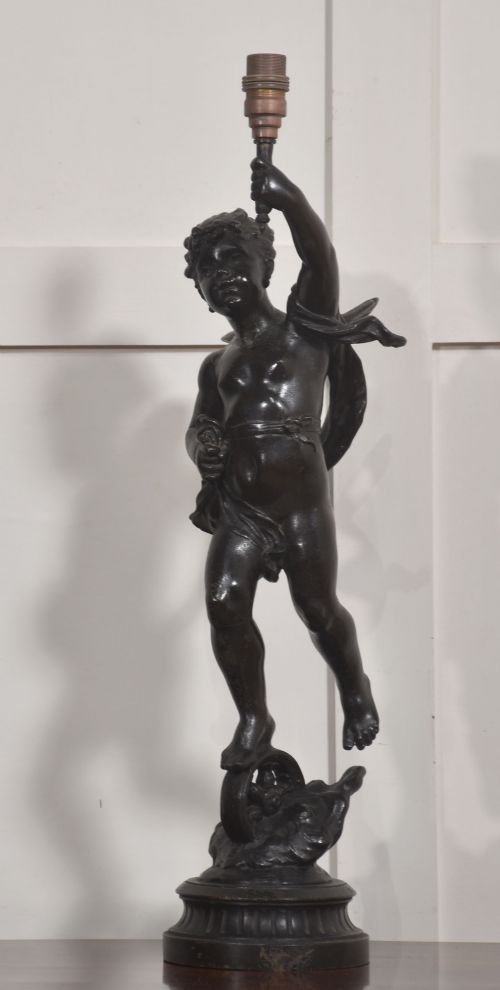
When buyers search for antique putti lamps, they encounter figural lighting featuring winged cherubs or putti figures integrated into the design. These pieces appear in forms such as table lamps, oil lamps, wall sconces, and candelabra.
The selections span the nineteenth century through the 1930s, incorporating Victorian, Edwardian, and French Rococo Revival styles. Table lamps and converted oil lamps form the majority of the choices available.
Materials range widely, encompassing bronze, brass, gilt metal, porcelain, and carved wood. Many incorporate marble bases, glass shades, or fabric elements to complete the fixture.
How they were made
Foundry workers cast metals like bronze, brass, and gilt spelter using traditional techniques before applying patination or gilding. Porcelain figures originate from European potteries and often feature hand-painted details alongside metal mountings.
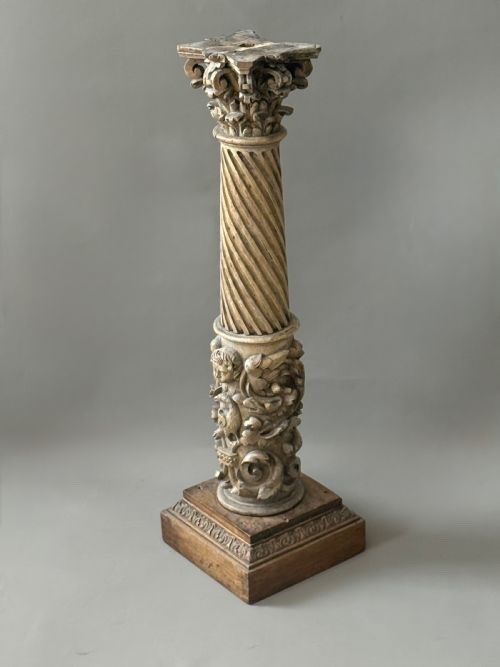
Carved wooden examples utilise oak or giltwood, shaped by hand for structural pillars and hanging lanterns. Marble serves as sturdy bases for metal figures, while cut glass and toleware provide contrasting shade materials.
Antique Putti Lamps Retail Price Guide 2026
Typical asking prices for putti lamps among the pieces listed under this phrase on Sellingantiques today, from the lower quarter to the upper quarter. They describe what is for sale here now, not the wider market.
Every cherub looks like it has just stolen an antique biscuit.
What varies in quality
The choice of base materials influences the overall standard. Solid bronze and finely finished ormolu outrank simpler spelter or basic brass construction in weight and durability.
Aug. Moreau·Sitzendorf·Meissen·Sevres
The Antique Putti Lamps Glossary
- Putti
- Plumed or unplumed infant figures depicted in art and sculpture, commonly known as cherubs. They appear frequently on lighting fixtures from the nineteenth and early twentieth centuries.
- Ormolu
- Gilt bronze, where a finely ground high-carat gold mercury amalgam is applied to a bronze object. This technique creates a rich golden finish on antique French fixtures.
- Spelter
- A zinc alloy used as a less expensive alternative to bronze for figural castings. It often receives a bronze or gilt finish to resemble heavier metal.
- Toleware
- Lacquered or enamelled metalware used for shades and decorative components. It provides vibrant colour accents on period lamps.
- Torchère
- A stand or standard lamp designed to hold a light source aloft. In figural pieces, putti often support the torchère column.
Antique Putti Lamps: Frequently Asked Questions
Are these lamps converted from old oil lamps?
Many surviving examples began life as oil lamps or figural statettes before receiving modern electrical fittings. Conversions are standard practice for lighting of this age.
Wiring is updated to meet modern standards while retaining the original metal or porcelain body intact.
How do I date an antique putti lamp?
Dating relies on identifying the manufacturing materials, casting style, and secondary elements like marble bases or glass shades. Victorian and Edwardian pieces show distinct decorative motifs.
Maker marks on porcelain bases or foundry stamps on bronze also help narrow down the production era.
What rooms suit a putti table lamp?
These decorative lamps function well on side tables, desks, or mantelpieces where the figural base remains visible. Their ornate styling complements traditional or eclectic interiors.
Pair configurations work effectively on matched sideboards or bedside tables.
What is the difference between bronze and spelter?
Bronze is a heavy copper alloy that takes fine detail and patination exceptionally well. Spelter is a lighter zinc-based metal that served as an affordable alternative for figural castings.
Checking the underside or weight helps distinguish the heavier bronze pieces from lighter spelter items.