



Antique Pub Trade Sign
An antique pub trade sign carries the historic weight of British commerce, offering bold lettering and enduring craft to anchor a room.
Antique Pub Trade Sign
When you search for an antique pub trade sign, you enter a diverse field of commercial folk art and advertising spanning the nineteenth and early twentieth centuries. These pieces encompass everything from traditional iron hanging boards to carved wooden figures and large painted displays.
The versions most likely to meet you on this page range from Victorian creations to Edwardian and 1920s pieces. They reflect everyday trade, featuring specific occupations such as drapers, locksmiths, and mariners alongside traditional tavern markers.
Makers produced these works to attract passing custom on busy streets, employing robust materials that survived decades of exposure. Today, they function as striking wall art and architectural salvage for domestic interiors.
Materials and construction
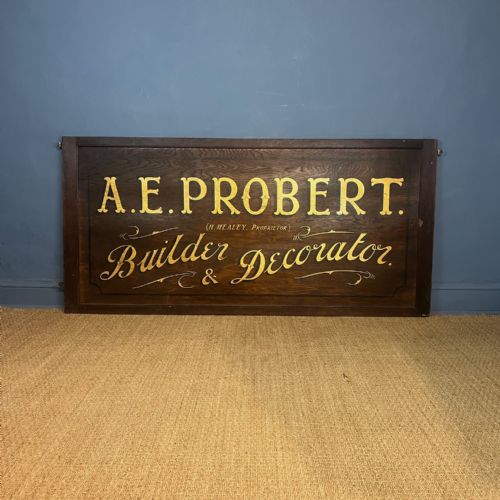
Makers relied on durable timbers such as pine and oak for carved figures, flat panels, and shaped signboards. These woods provided a stable foundation for intricate hand-painted lettering and decorative motifs.
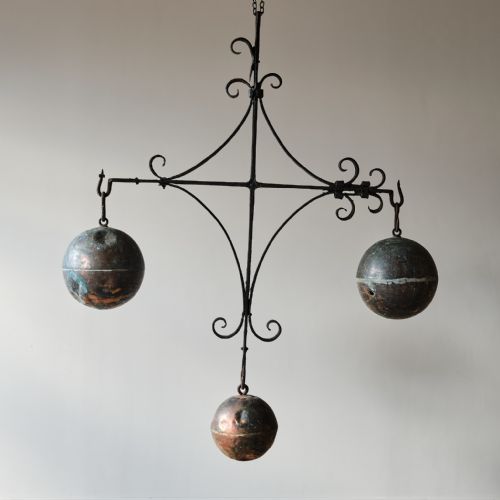
Iron and wrought iron played a crucial structural role, appearing in heavy hanging brackets and specialised advertising pieces. Metal elements were often forged to withstand outdoor elements while supporting swinging signs.
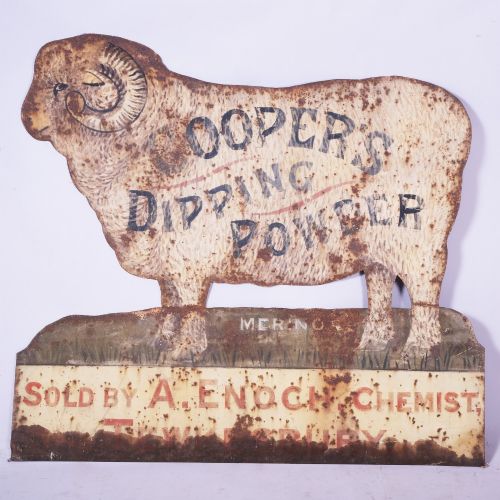
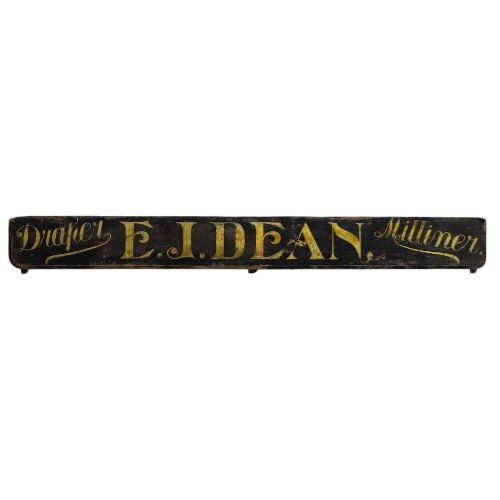
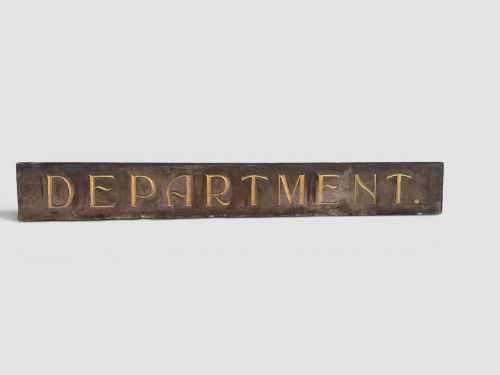
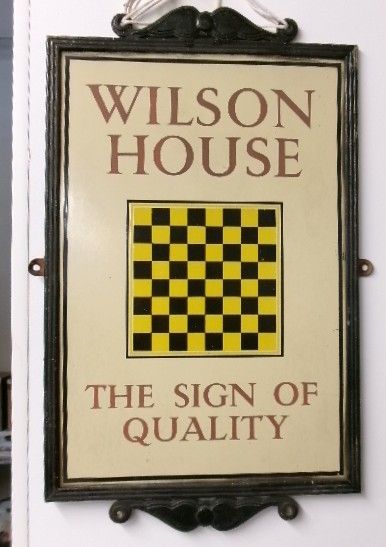
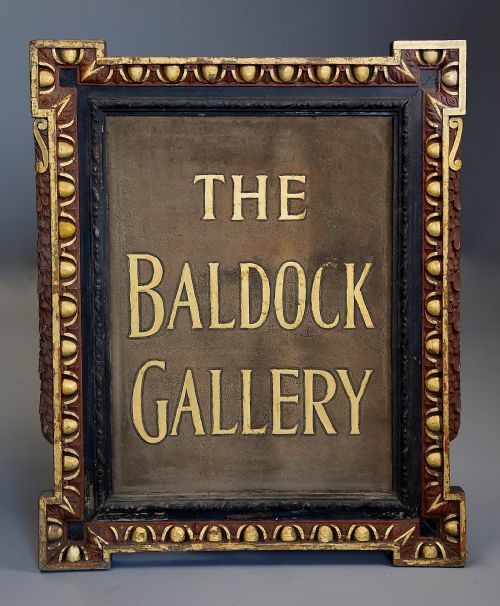
Surfaces received layers of traditional paint and occasional gold leaf to ensure high visibility from the street. Artisans combined carving, gilding, and enamel work to create enduring commercial markers.
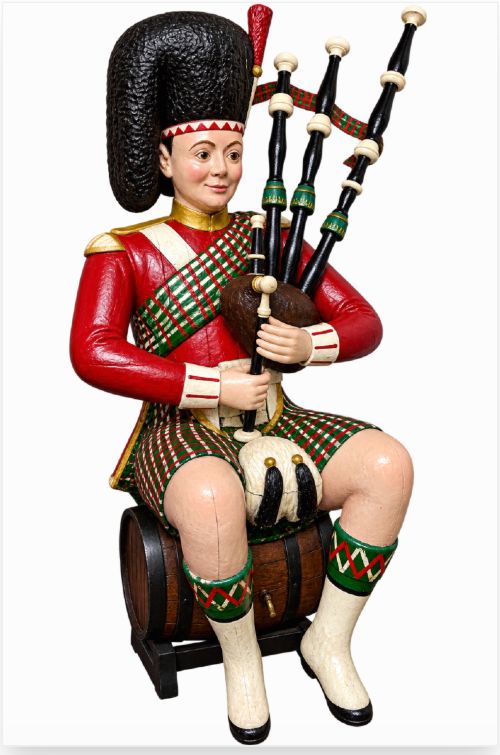
A Highland bagpiper stands ready to play customers through the door, proving tradesmen once knew the value of a good tune.
Factors of distinction
The division between ordinary trade pieces and exceptional items rests upon the depth of hand-carving and the sophistication of the painted typography. Superior examples display confident brushwork and sculptural presence that elevate utility into genuine folk art.
Proportion and scale heavily influence the impact of a piece, with larger hanging signs and substantial figural carvings commanding greater visual authority. The integrity of the original surface patina further separates untouched survivals from heavily restored examples.
The Antique Pub Trade Sign Glossary
- Tradesman's figure
- A three-dimensional carved representation of a person or object used to advertise a specific occupation outside a shop. These figures often depicted specific tradesmen like pipers or milliners.
- Gold leaf
- Extremely thin sheets of beaten gold applied to wooden or metal lettering to catch the light and draw the eye. It signifies higher-end commercial commissioning.
- Architectural salvage
- Building elements and exterior fixtures rescued from structures destined for demolition. Pub signs and iron brackets frequently fall into this category.
- Folk art
- Utilitarian objects and decorative items created by self-taught or provincial artisans rather than academic artists. Trade signs represent a major cornerstone of this tradition.
Antique Pub Trade Sign: Frequently Asked Questions
How were trade signs mounted?
Most hanging signs attached to sturdy iron brackets fixed directly to exterior brickwork or timber facades. This allowed the boards to swing freely in the wind, catching the attention of pedestrians from multiple directions.
Heavier figural signs and flat boards were often mounted flat against walls or positioned above doorways to clearly identify the business operating within.
What materials predominate in these signs?
Wood and iron form the primary substance of these pieces, with pine and oak serving as standard substrates for painted panels and carved figures. Wrought iron provided the necessary strength for hanging brackets and structural frames.
Later examples occasionally incorporate enamel surfaces or gold leaf detailing to enhance legibility and weather resistance over extended periods of outdoor exposure.
How do I date an antique sign?
Dating relies heavily on the style of the lettering, the choice of timber, and the construction methods visible on the reverse or edges. Victorian pieces often display distinct folk art carving styles, while 1920s examples show shifts toward commercial streamlining.
Examining the paint layers under magnification can also reveal the age of the underlying surface and confirm whether the finish is period-correct.
Where should I hang a large sign?
Large wall signs and heavy iron markers require solid structural support, ideally anchored directly into masonry or heavy studwork. Their substantial weight makes them well-suited as focal points in large living spaces, hallways, or commercial interiors.
Ensure the hanging hardware matches the heft of the iron bracket or wooden board to safely display the piece without straining the wall.
Are these signs weatherproof?
While originally designed to endure decades of rain and wind outdoors, surviving examples carry delicate historic paint and aged surfaces that warrant indoor placement. Modern humidity and prolonged moisture can destabilize old wood and accelerate paint flaking.
Displaying them inside protects the fragile gold leaf and original pigments from further environmental degradation.