



Antique Profile Miniature Painting
An antique profile miniature painting captures a distinct likeness in miniature, offering an intimate glimpse into the past through delicate brushwork and silhouette.
Antique Profile Miniature Painting
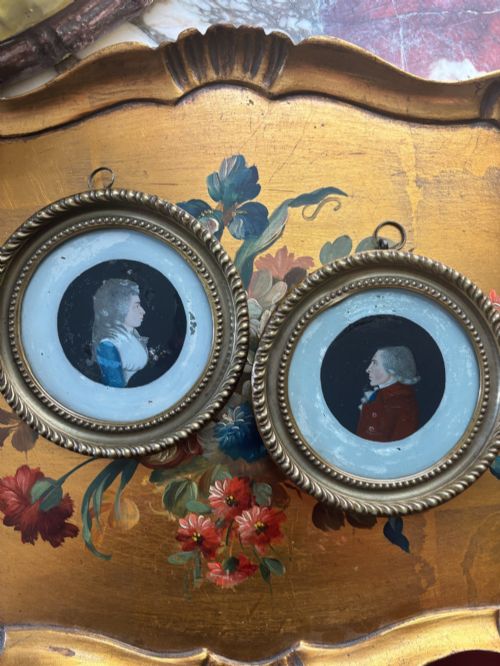
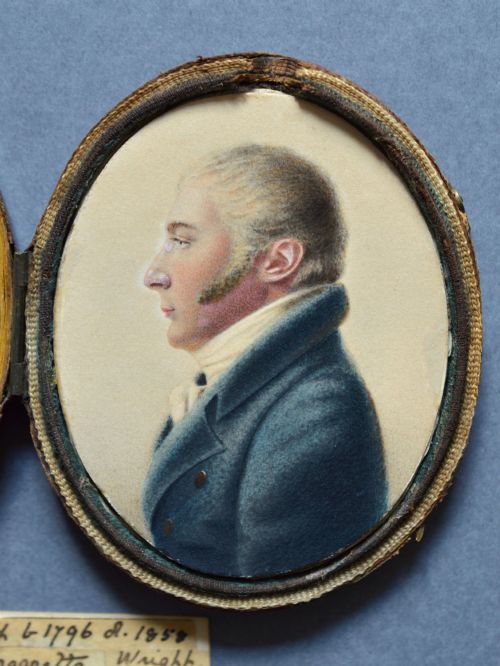
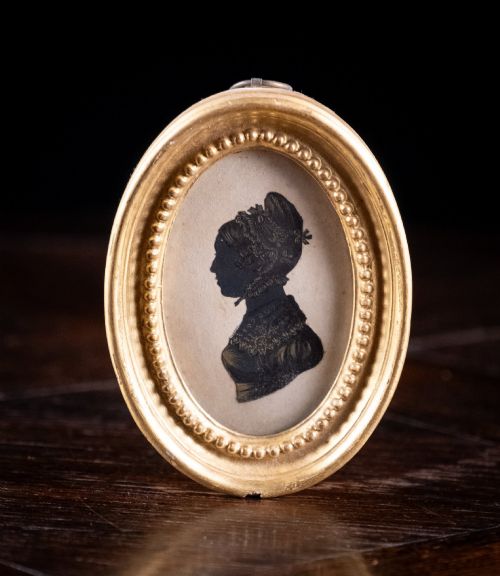
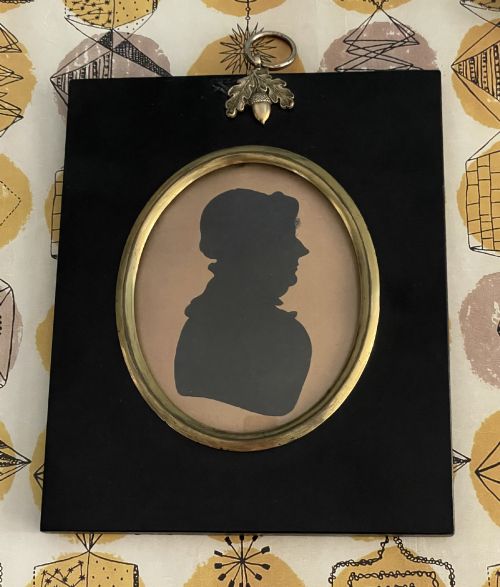
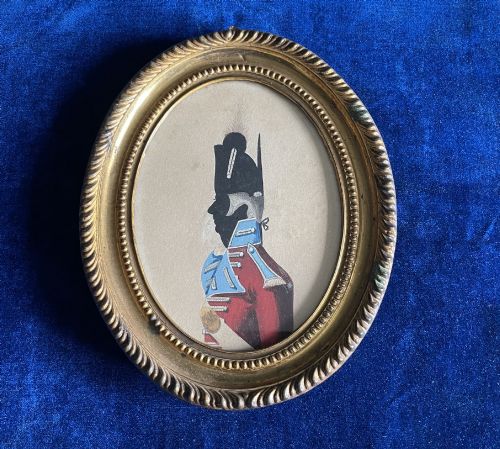
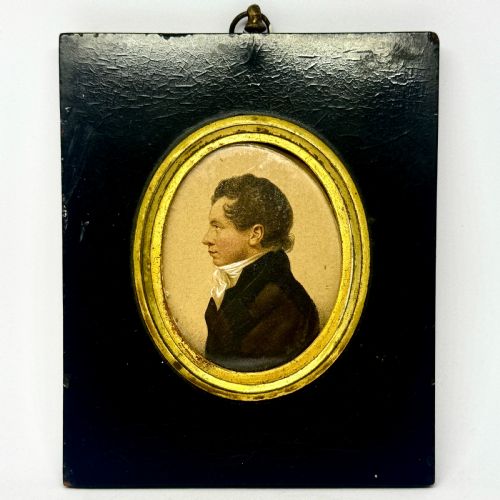
An antique profile miniature painting presents a small-scale portrait, most frequently encountered from the Georgian, Regency, and Victorian periods. These pieces include framed artwork, wall art, and jewellery items such as pendants, capturing sitters in sharp profile.
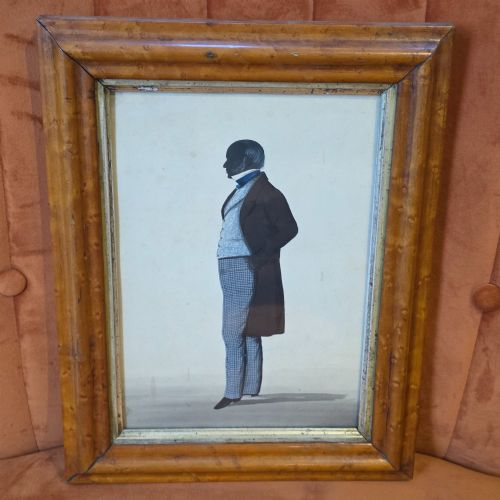
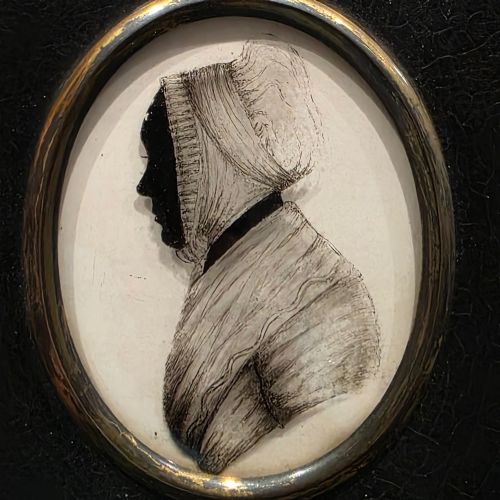
The selection ranges from finely executed watercolour and ink paintings on paper or card to reverse painted silhouettes on glass and cut paper silhouettes. Works span the eighteenth century through to the early twentieth century, including Edwardian examples.
Represented forms vary from full-length silhouettes of gentlemen to delicate shoulder-length portraits of ladies, alongside specific named subjects and pieces by documented artists.
Materials and Construction
Makers utilised watercolour, ink, and pencil applied to paper, card, or plaster, often combined with delicate gold leaf highlights. Glass serves both as a protective surface and as a ground for reverse-painted silhouettes.
Materials documented across the pieces include watercolour, glass, paper, brass, ebonised wood, gold leaf, and 18ct gold settings with pearls.
Judging Quality and Execution
The integrity of the original housing - whether an ebonised wooden frame, a brass-mounted case, or an 18ct gold pendant setting - plays a major role in the overall integrity of the piece.
James Sharples·Thomas John Horsley·James Gillespie·John Miers·J Deacon·Susie Lassam·George Atkinson·Archibald Skirving·John Smith of Edinburgh·Jeremiah Steele
The Antique Profile Miniature Painting Glossary
- Silhouette
- A solid shape of a subject, usually a profile, filled in with a solid colour, most commonly black. This technique was widely utilised for portraiture before the widespread adoption of photography.
- Reverse painting on glass
- A method where the image is painted directly onto the reverse side of a glass panel so that it is viewed through the front. This technique gives the surface a distinct glossy depth.
- Portrait miniature
- A small-scale painting or likeness designed for personal portability or intimate display. These works required exceptional skill to render fine detail on a reduced canvas.
- Pendant
- A piece of jewellery that hangs from a necklace or chain, often enclosing a miniature portrait or silhouette. Many survive in gold settings adorned with pearls and enamel.
Antique Profile Miniature Painting: Frequently Asked Questions
How were these miniatures displayed?
Many profile miniatures were housed in small ebonised wood or rosewood frames designed to hang on a wall. Others were mounted in brass or integrated into jewellery pieces like gold pendants for personal wear.
Such portable formats allowed sitters to carry likenesses of family members close to them during travel.
What materials are typical?
Artists worked with watercolour, ink, and pencil on paper, card, or plaster grounds. Many Georgian and Regency examples feature silhouettes painted on glass with gold leaf highlights.
Frames and mountings frequently incorporate ebonised wood, brass, rosewood, and occasionally gold with pearls and enamel.
How do I date a silhouette?
Dating relies on costume details, hair styling, and framing methods typical of specific eras such as the Georgian, Regency, or Victorian periods. Signed pieces or those with handwritten inscriptions on the reverse provide definitive years.
Stylistic shifts from eighteenth-century painted profiles to nineteenth-century watercolour cards offer clear chronological markers.
Are these works signed?
Some portrait miniatures carry signatures or inscriptions left by the artist or trade label on the reverse. Well-known profile artists often signed their work directly on the glass or paper support.
Unsigned pieces remain common, attributed instead through period style, technique, and provenance.