



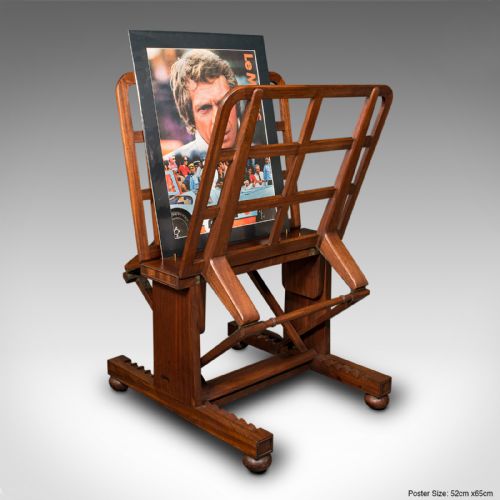

Antique Print Portfolio
An antique print portfolio or folio stand offers a sturdy home for loose works on paper, combining practical storage with handsome cabinet-making.
Antique Print Portfolio
When you search for an antique print portfolio or related stand, you encounter pieces designed to hold, display, or protect loose plates, engravings, and architectural drawings. The selection here leans heavily towards mahogany and oak stands from the Regency and Victorian periods, alongside occasional larger folio cabinets.
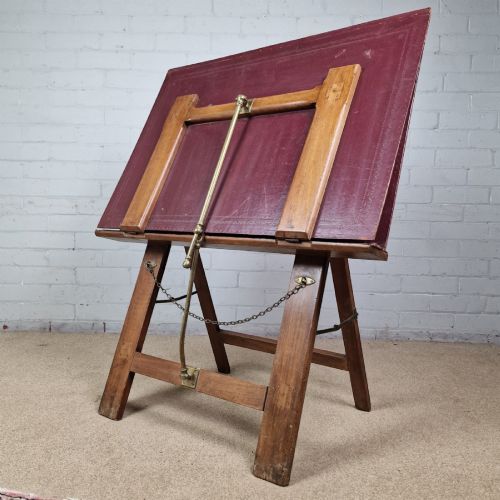
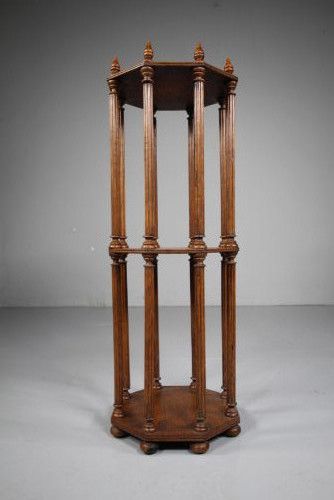
The forms range from adjustable artist picture racks and library scroll stands to grand scale floor-standing units. These pieces allow collectors to browse through graphics and plates safely without damaging the fragile paper margins.
Originating in professional studios, grand libraries, and fine homes, these items reflect the nineteenth-century passion for collecting and organising graphic art. The materials and construction methods directly mirror the high standards of Georgian, Regency, and Victorian cabinet-making.
Materials and construction
Timbers like mahogany, walnut, and oak form the structural backbone of these pieces, providing the necessary weight and rigidity to support heavy frames and stacks of paper. Brass fittings, hinges, and adjustable ratchets frequently appear on the stands to allow for varied display angles.
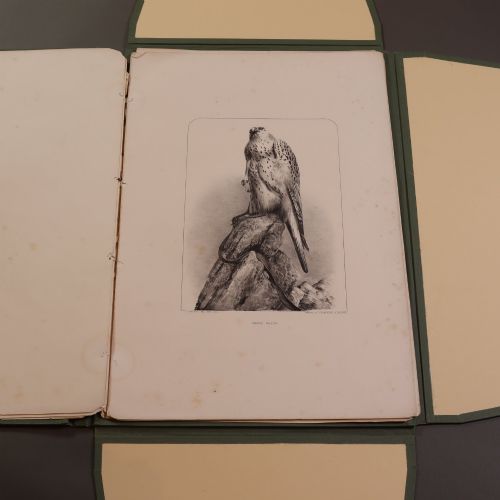
Paper and leather line the interiors or form the portfolios themselves, often accompanied by marbled paper details. Skilled joinery ensures that the expanding sides and troughs withstand the regular movement of heavy contents over generations.
Listings feature woods such as mahogany, oak, and walnut, alongside brass hardware and marbled paper linings.
Markers of quality
The distinction between standard utility items and superior examples lies in the selection of figured timber and the precision of the mechanical adjustments. Finer stands incorporate robust brass ratchets, solid brass castors, and finely turned members that hold their alignment under pressure.
Attribution to known makers or documented cabinet-makers elevates certain pieces, particularly when combined with grand scale proportions and deeply carved details. The integrity of the original polish and the absence of clumsy repairs also dictate the standing of an individual piece.
Whytock and Reid of Edinburgh·Benjamin Taylor and Sons
The Antique Print Portfolio Glossary
- Folio stand
- A piece of furniture designed specifically to hold large sheets of paper, prints, or drawings upright or at an adjustable angle. These typically feature wooden troughs with sloped sides.
- Copperplate engraving
- A printmaking technique where an artist incises an image into a copper plate, which is then inked and pressed onto paper. These engravings form the core content historic portfolios were built to house.
- Regency
- A British architectural and decorative style spanning roughly from the late eighteenth century to the eighteen-twenties. Pieces from this era often feature clean classical lines and rich mahogany.
- Gothic Revival
- An architectural and design movement drawing inspiration from medieval forms. Furniture in this style often displays pointed arches, heavy oak construction, and rich surface carving.
- Scroll stand
- A variant of the folio or rack format tailored for rolling documents or large maps. These pieces utilise sturdy timber frames to keep rolled items organised.
Antique Print Portfolio: Frequently Asked Questions
What is an antique folio stand used for?
These stands were built to store, organise, and display large loose sheets of paper, prints, watercolours, and architectural plans. They allowed artists and collectors to flip through collections easily without creasing the delicate paper.
Today, they serve the exact same function for modern collectors of prints, maps, and drawings. They provide an attractive way to display changing pieces of art in a home or studio.
How do I date a mahogany folio stand?
Dating relies on observing the timber choice, joinery techniques, and overall stylistic cues such as Regency curve profiles or Victorian proportions. Brass hardware mechanisms, where present, also offer clues based on manufacturing technology.
Comparing the turned legs and stretcher designs to established furniture periods helps narrow down the decade of production. Documentation or maker stamps, if present, provide the most definitive timeline.
Are folio stands sturdy enough for heavy use?
Period folio stands and cabinets were engineered from dense hardwoods like oak and mahogany specifically to bear substantial weight. Their robust construction and wide bases ensure they remain stable even when fully loaded with paper.
Routine care involves checking brass ratchets and tightening any structural joints gently. With proper maintenance, they easily handle the daily browsing of prints and folios.
What is the difference between a stand and a cabinet?
A folio stand typically consists of an open wooden rack or trough mounted on legs, designed for vertical or sloped storage. This open format lets you browse items directly without opening doors.
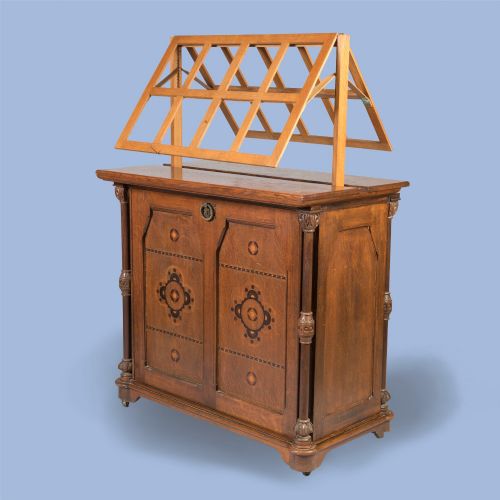
A folio cabinet encloses the storage space behind panelled doors, offering greater protection from light, dust, and handling. Cabinets often feature sliding shelves or dedicated drawers specifically sized for large paper sheets.