
Antique Print Gilt Frame
An antique print gilt frame pairs historic works on paper with bright metallic surrounds, bringing traditional wall art directly into the room.
Antique Print Gilt Frame
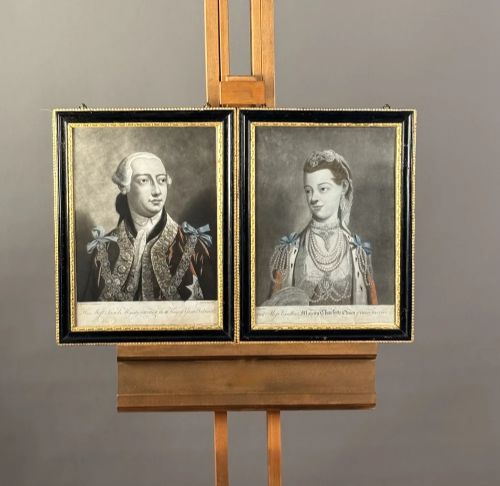
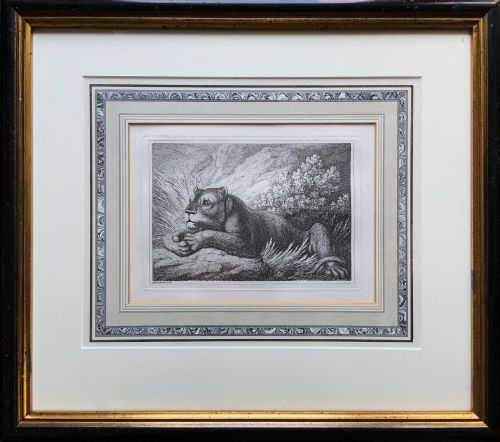
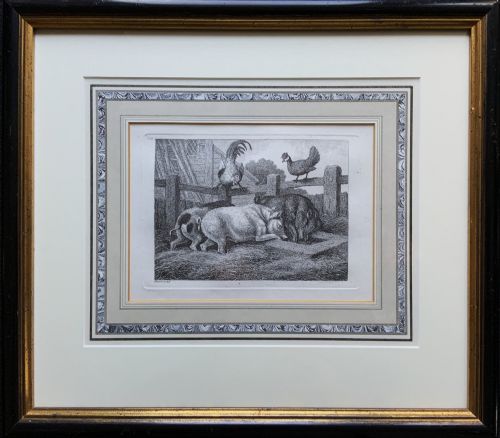
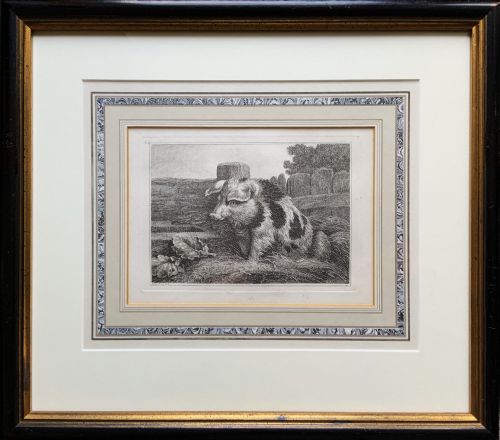
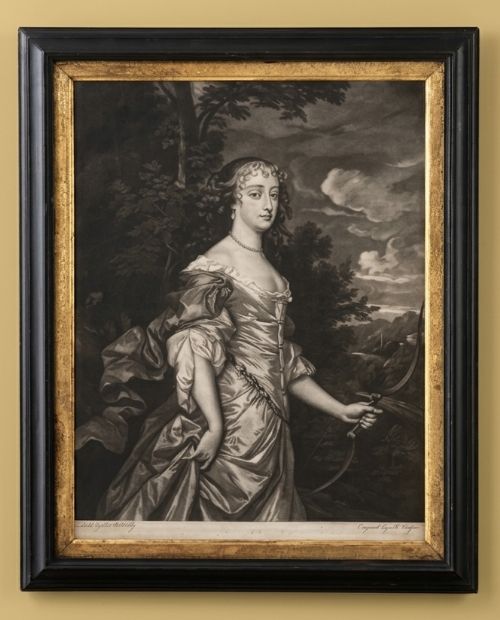
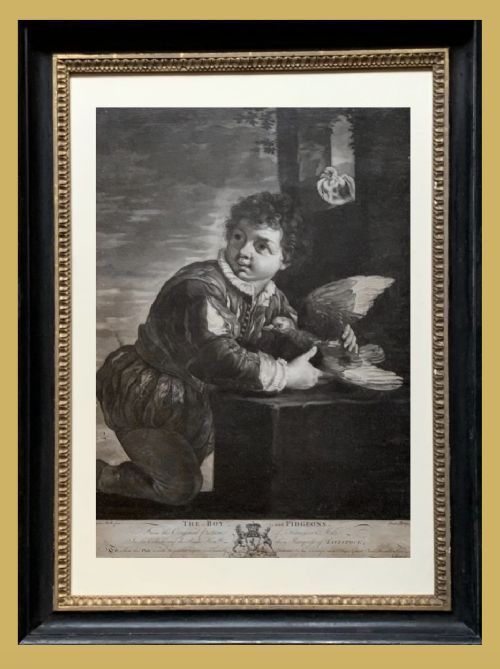
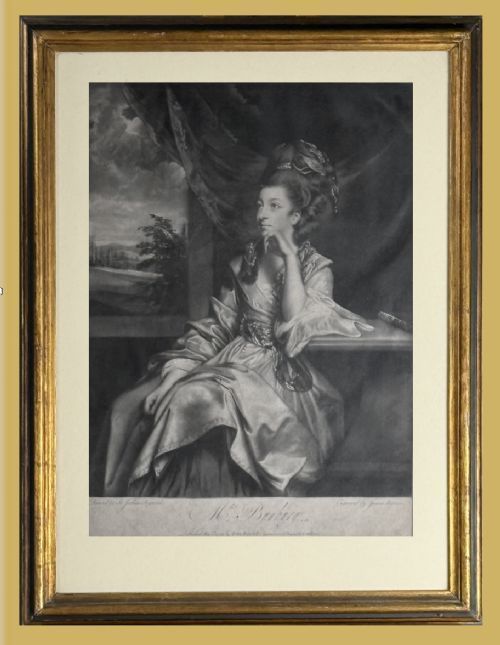
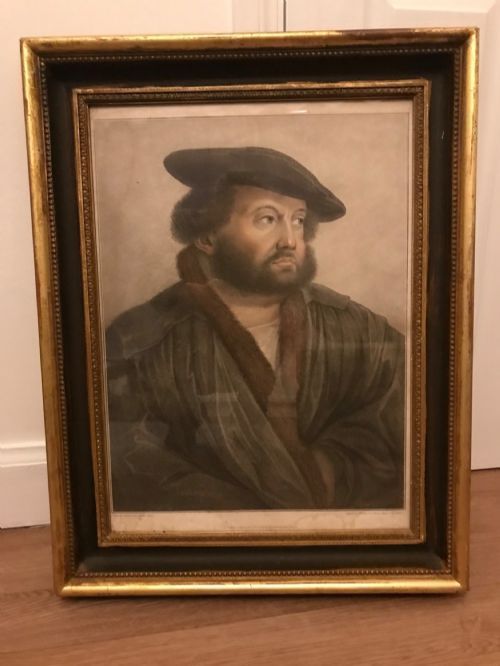
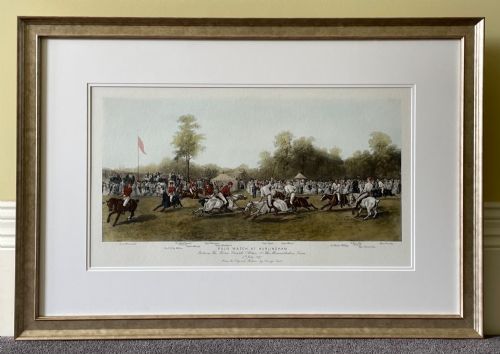
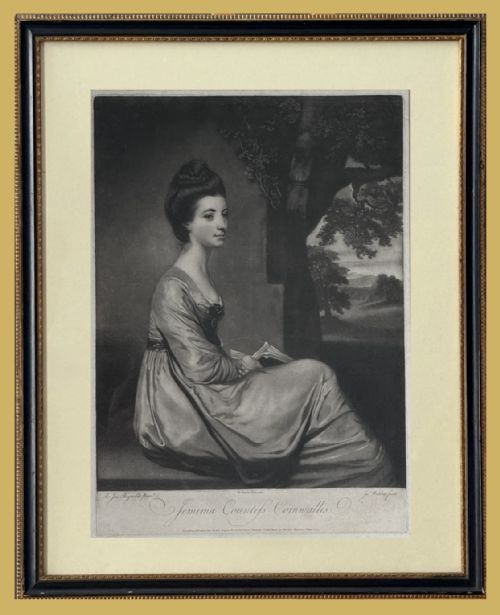
When you search for an antique print gilt frame, you encounter works on paper housed in metallic wooden surrounds. The selection includes eighteenth-century mezzotint portraits, nineteenth-century lithographs, and hand-coloured engravings presented alongside later twentieth-century decorative prints.
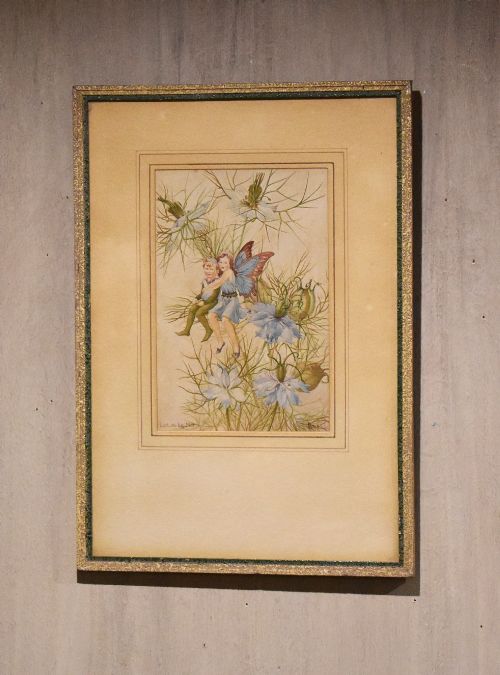
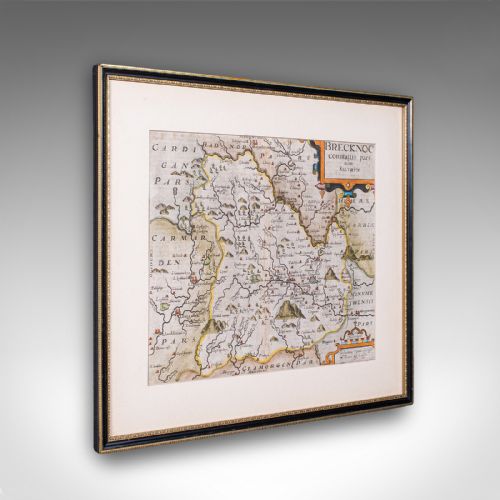
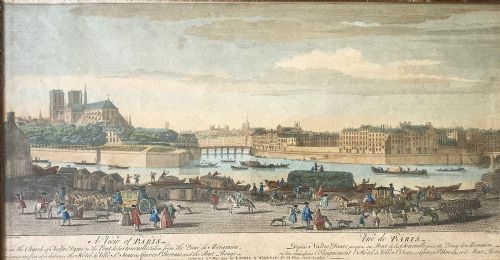
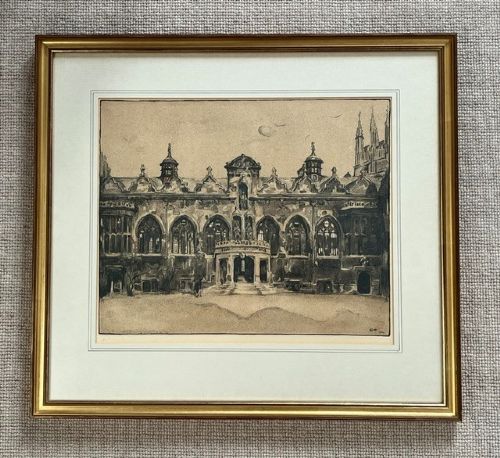
Most examples combine traditional graphic arts with period timber mouldings finished in gold leaf or giltwood. These range from intimate portraits after Reynolds to architectural views and sporting scenes, often retaining glass fronts that protect the ink and paper beneath.
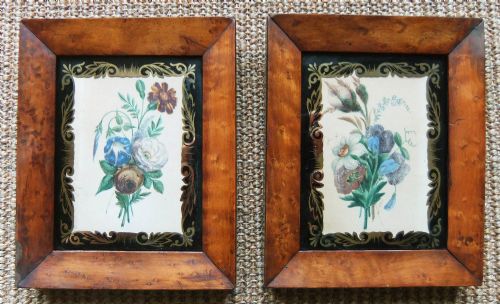
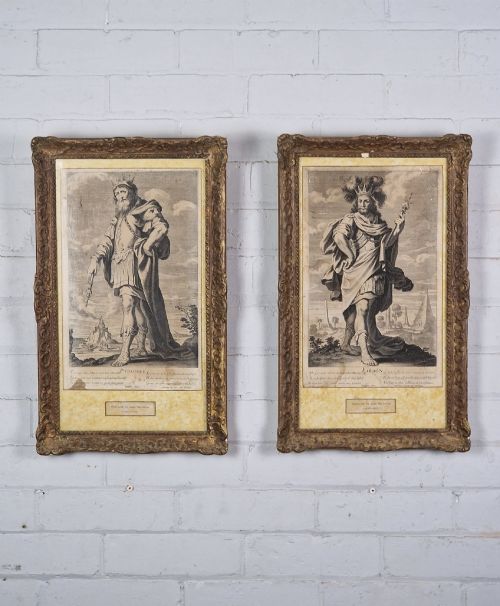
Georgian and Victorian iterations dominate the selection, bringing classic subjects into domestic spaces. Alongside these standard formats, buyers discover smaller oval formats and pairs of decorative illustrations matched with period surrounds.
How they were made
Makers formed the structural surrounds from timber, applying thin layers of gold leaf or gilt composition over prepared gesso surfaces. These frames often exhibit carved decorative motifs or simpler moulded profiles designed to catch the ambient light.
The works displayed within these enclosures utilise various printing and drawing techniques on paper, including stipple engraving, mezzotint, lithography, and watercolour. Ink and pigment applications frequently feature manual hand-colouring to enhance details within the compositions.
The inventory records diverse artistic mediums, encompassing oil paintings, gouache, watercolours, drypoints, and various nineteenth-century print formats.
What varies in quality
The standard of the framing work dictates much of the visual impact, separating simple applied metallic paint from dense, burnished gold leaf over layered gesso. Hand-carved wooden mouldings display sharper definition and greater depth than mass-produced composition ornament.
On the paper side, early impressions from copper plates or lithographic stones retain crisper lines and richer ink saturation than later restrikes. The preservation of the paper itself, free from heavy foxing or fading, determines the overall integrity of the piece.
John Boydell·James Watson·Francesco Bartolozzi·Sir Joshua Reynolds·Thomas Frye
The Antique Print Gilt Frame Glossary
- Mezzotint
- A printmaking process where the copper plate is roughened to produce dark tones and scraped to create light areas. This technique allows for subtle tonal gradations particularly favoured in portraiture.
- Giltwood
- Timber that has been coated with gold leaf or a gold-coloured metallic finish. It forms the primary reflective border surrounding the paper artwork.
- Stipple engraving
- A method of producing prints using dots rather than continuous lines to build up the image. It creates soft, painterly effects often seen in eighteenth-century portrait plates.
- Lithography
- A planographic printing process utilising stone or metal plates where grease and water repel each other. Artists use this to capture fluid, illustrative lines.
- Foxing
- Brown spots or discoloration appearing on old paper caused by chemical reactions over time. Collectors monitor the extent of these marks across the surface.
Antique Print Gilt Frame: Frequently Asked Questions
What periods do these framed prints cover?
The available selection spans from eighteenth-century engravings and mezzotints through to nineteenth-century lithographs and twentieth-century decorative pieces.
Earlier examples often feature works by noted publishers and printmakers, while later items include mid-century botanical and illustrative subjects.
How should I care for a gilt frame?
Gilt surfaces require gentle dusting with a soft, dry brush to prevent accumulation without disturbing the delicate gold leaf layer. Avoid liquid cleaners and damp cloths, which can damage the underlying gesso and wood.
Keep the pieces away from direct sunlight and moisture to protect both the metallic finish and the fragile paper artwork inside.
Are the frames original to the prints?
Many listings feature period surrounds that match the era of the enclosed artwork, providing a cohesive historic presentation. Some pieces retain specific historic frames noted in their descriptions.
Framing styles often reflect the aesthetic preferences of the original production period, ranging from simple classical moulding to elaborate decorative profiles.
What subjects appear most frequently?
Portraits dominate the earlier centuries, featuring notable figures after painters such as Sir Joshua Reynolds and Hans Holbein. Other common subjects include landscapes, sporting scenes, botanical studies, and architectural views.
Decorative pairs and series depicting animals, flowers, or everyday life also recur throughout the selection.