




Antique Preserving Pan
An antique preserving pan brings honest kitchen metalwork into the modern home, offering heavy copper and brass vessels built for utility.
Antique Preserving Pan
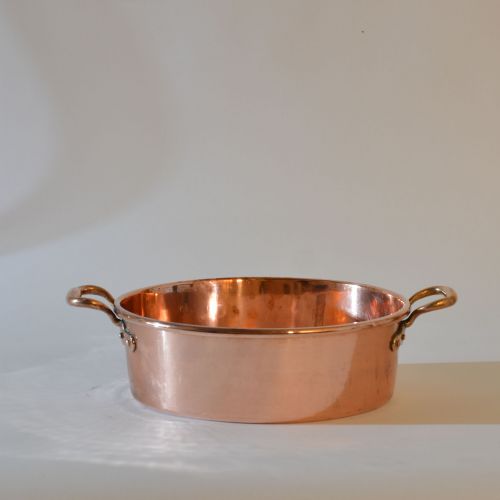
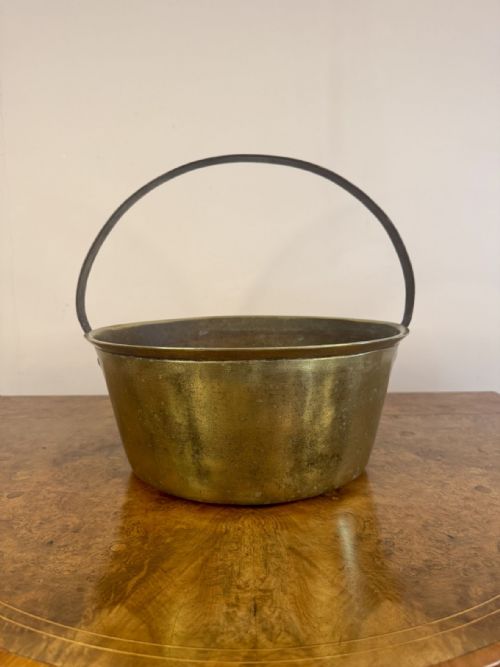
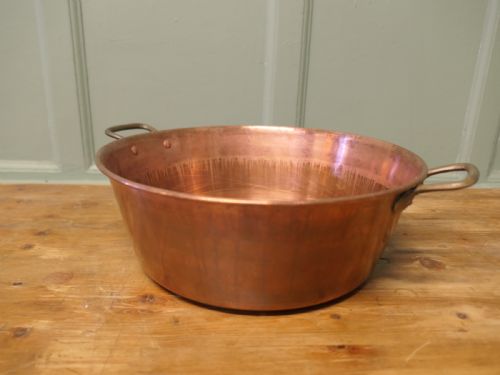
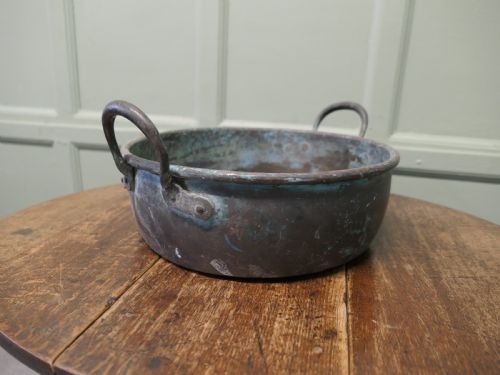
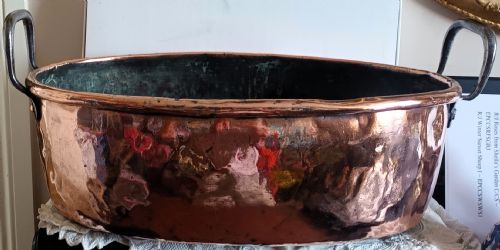
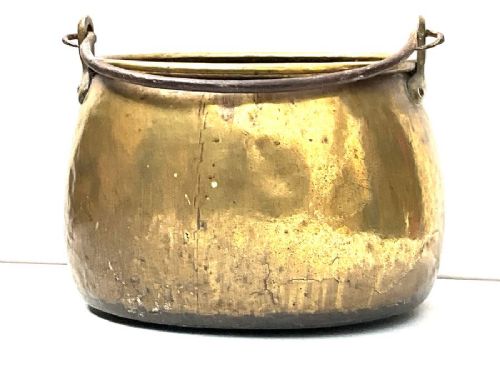
An antique preserving pan serves as a heavy utilitarian vessel designed for boiling fruit and sugar, commonly found in copper and brass from the Georgian and Victorian periods. These pieces include large jam pans, cream setting pans, and preserve warmers with distinctive metal handles.
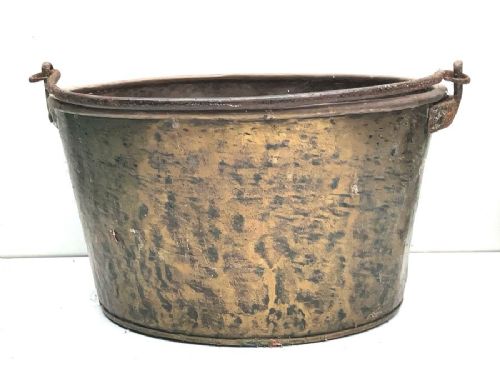
Most examples originate from the eighteenth and nineteenth centuries, spanning George III, Victorian, and rustic farmhouse styles. Buyers frequently encounter substantial copper bowls and riveted brass pans intended for hearth use or display.
Materials and construction
Pans are constructed primarily from heavy gauge copper or brass, occasionally utilising iron or wrought iron for handles and fixings. Bronze also appears in specific hearth and preserving vessels from the Georgian era.
Construction techniques involve hand-shaping the metal body and securing handles with rivets, combining durability with functional design for open-fire cooking and preserve making.
Antique Preserving Pan Retail Price Guide 2026
Typical asking prices for preserving pan among the pieces listed under this phrase on Sellingantiques today, from the lower quarter to the upper quarter. They describe what is for sale here now, not the wider market.
What separates the finest examples
Quality rests in the weight of the metal and the integrity of the construction, where thicker walls and heavier gauges distinguish superior kitchen vessels. Substantial mass ensures the pan held heat evenly across the hearth.
Finishing details such as cleanly fitted brass handles, precise riveting, and maker attribution elevate certain pieces. The balance between utilitarian strength and refined metalwork marks the upper tier of surviving examples.
Hodges & Sons
The Antique Preserving Pan Glossary
- Preserving pan
- A wide, shallow cooking vessel designed for boiling fruit and sugar to make jam. These pans feature rounded bases to facilitate stirring.
- Jam pale
- A deep metal bucket or vessel used in domestic kitchens for boiling preserves. This term often describes Victorian brass containers with swing handles.
- Cream setting pan
- A wide vessel utilised in dairies for allowing cream to rise to the surface of milk. These items appear in copper from the nineteenth century.
- Preserve warmer
- A specialised hearth accessory designed to keep fruit mixtures at a steady temperature. These bronze or copper pieces often show fireside interest.
- Riveted handle
- A grip attached to the pan body through metal pins hammered through overlapping sections. This method provides robust construction for heavy vessels.
Antique Preserving Pan: Frequently Asked Questions
What was an antique preserving pan used for?
These heavy vessels were designed for boiling large quantities of fruit and sugar over an open fire or hearth. Their wide brims allowed steam to evaporate quickly during jam and preserve making.
In period kitchens, similar vessels also functioned as cream setting pans or general cooking vessels. Their robust metal construction handled the intense heat required for domestic preserving.
How do I clean an old copper pan?
Copper and brass vessels respond well to traditional metal polishes designed to remove tarnish while preserving the underlying patina. Many collectors prefer to maintain a warm, aged tone rather than achieving a bright mirror finish.
Avoid abrasive scouring pads that can scratch the soft metal surfaces. Gentle washing with warm soapy water and thorough drying protects the historic finish.
Can I still use these pans for cooking?
While these vessels were originally made for culinary use, many antique examples now serve decorative purposes around the home and hearth. Modern health standards and the condition of the historic metal require careful consideration before food preparation.
If utilised for display, their generous proportions make them suitable for holding firewood, dried flowers, or kitchen utensils. Their substantial weight keeps them stable in any room.
How do I date a brass jam pan?
Dating relies on observing manufacturing techniques, handle styles, and material composition across different periods. Georgian and early nineteenth-century pieces often display hand-beaming and heavy iron or brass handles fixed with large rivets.
Victorian examples frequently introduce heavier cast brass grips and standardised sizing for domestic use. Comparing the weight and construction marks helps place a piece within its historical era.