



Antique Presentation Tray
An antique presentation tray brings formal hospitality into daily service, combining heavy metals and rich woods for display or use.
Antique Presentation Tray
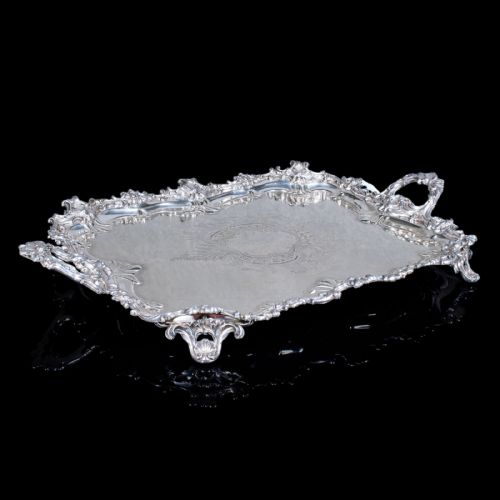
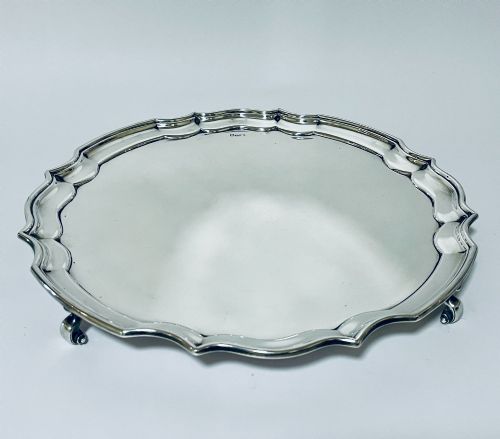
When you search for an antique presentation tray, you encounter flat serving pieces, raised salvers, and specialised display tables designed for afternoon tea or formal service. The forms range from large oval silver-plated serving platters to heavy sterling silver salvers and regional variants such as Anglo-Indian and Indian Colonial dishes.
Victorian and Edwardian silver plate examples dominate the selection, alongside Georgian sterling silver pieces and occasional occasional tables adapted for display. These items function equally as serving platters for cocktails or tea and as decorative chargers on sideboards and console tables.
Materials and construction
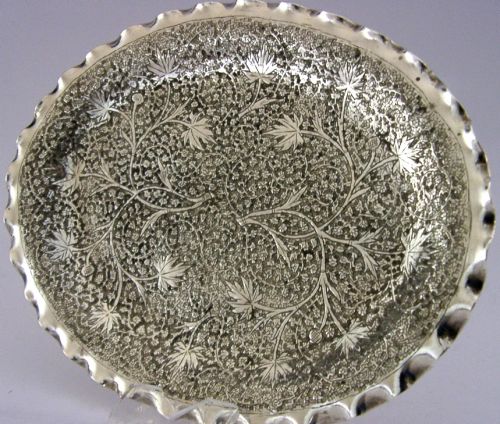
Makers utilise sterling silver and silver plate over base metals, combined with structural woods like mahogany and oak for tray frames and associated presentation tables. Engraving and repoussé work frequently decorate the metal surfaces, showing intricate floral or geometric motifs.
Certain pieces incorporate velvet and satin linings inside presentation cases, while regional examples feature detailed hammered copper, bronze, and specialised silver work characteristic of Persian and Indian workshops.
Listings span multiple eras, encompassing Georgian, Victorian, and Edwardian periods alongside regional Anglo-Indian and Egyptian pieces.
Judging the execution
The distinction between standard production and top-tier work rests on the depth of hand-engraving, the weight of the metal, and the crispness of cast decorative borders. Heavy gauge silver and thick silver plate retain their structural integrity and surface detail through decades of polishing.
Provenance and maker attribution elevate specific items, particularly those bearing the marks of known silversmiths or carrying documented historical interest, such as military associations.
Charles Boyton·James Fray·Paul Storr
The Antique Presentation Tray Glossary
- Salver
- A tray with feet, traditionally used for presenting food, drinks, or letters. They typically feature raised rims and decorative engraving.
- Silver Plate
- A manufacturing technique where a thin layer of silver is fused to a base metal, such as nickel silver or copper. This method provided the visual appeal of solid silver at a lower cost.
- Charger
- A large decorative plate or tray used as a base for other courses or displayed on its own. They often measure significantly larger than standard serving platters.
- Repoussé
- A metalworking technique where the artisan hammers the metal from the reverse side to form a raised design in relief. This creates tactile, highly ornate surface patterns.
Antique Presentation Tray: Frequently Asked Questions
How were presentation trays used?
These items served as the centrepiece for afternoon tea, cocktail service, and formal calling rituals in grand households. Servants utilised them to carry glasses, teapots, and letters to guests.
Over time, owners also repurposed them as decorative display chargers on sideboards, console tables, and dedicated side furniture.
How do I care for silver plated trays?
Clean these surfaces regularly with a soft cloth and a specialised silver polish designed to remove tarnish without stripping the plating. Avoid abrasive pads or harsh chemical dips that damage delicate engraving.
Store wooden-framed or lined pieces in stable environments away from direct sunlight and excessive humidity to protect the materials.
Can I use antique trays for serving food?
Solid silver and silver-plated options remain suitable for serving dry foods, afternoon tea, and bottled drinks. Ensure you wash them by hand immediately after use with mild soap.
Avoid leaving acidic foods or liquids on antique metal surfaces for extended periods to prevent permanent staining.