



Antique Presentation Plate
When you handle an antique presentation plate, you hold a piece of engraved silver or plated metal intended to mark a specific victory or milestone.
Antique Presentation Plate
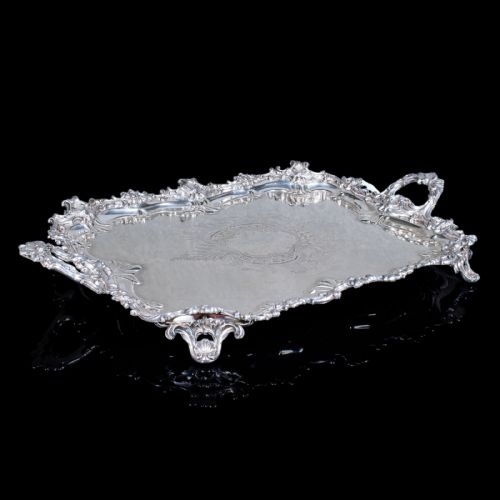
An antique presentation plate typically takes the form of a silver or silver-plated salver, tray, or inscribed plaque intended to honour a recipient. These objects span periods from the Georgian era through to the Edwardian years, reflecting shifts in taste across the nineteenth and early twentieth centuries.
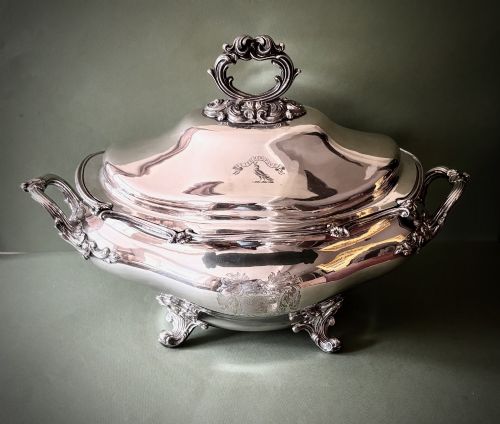
The versions most commonly met on this page are silver-plated or sterling silver trays and salvers bearing engraved inscriptions and dates. They range from plain circular service plates to large oval platters fitted with handles.
Makers and origins vary widely, encompassing English workshops alongside items from broader international contexts. The forms often double as decorative bowls, fruit dishes, or commemorative plaques rather than simple flat plates.
Materials and construction
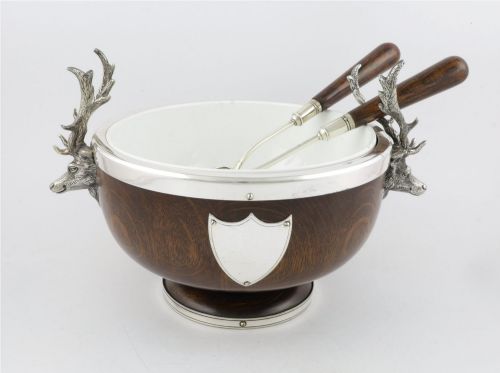
The manufacture of these pieces relies heavily on silver plate, electroplated nickel silver, and traditional Old Sheffield Plate over a copper base. Sterling silver appears on select high-end commissions, while auxiliary materials such as oak, ceramic, velvet, and silk line boxes or form supporting bases.
Craftsmen applied surface decoration through hand engraving, chasing, and etching to record names, dates, and heraldic crests. Plated items utilise fused silver layers or electrolytic deposition to achieve a durable metallic finish on base metals.
Antique Presentation Plate Retail Price Guide 2026
Typical asking prices for presentation plate among the pieces listed under this phrase on Sellingantiques today, from the lower quarter to the upper quarter. They describe what is for sale here now, not the wider market.
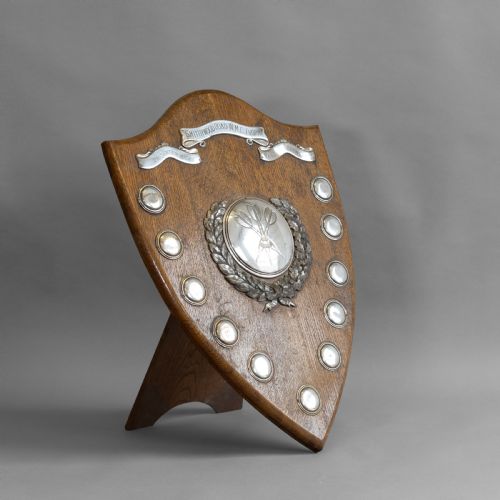
One remarkably competitive lawn bowler secured an engraved silver plaque in 1899 to permanently settle a fierce local rivalry.
Assessing quality
Quality rests primarily on the crispness and depth of the hand engraving and the integrity of the base metal. Sharp, legible inscriptions cut by skilled hands elevate a piece far above factory-standard stamping.
The weight of the metal and the balance of handles or rims indicate the original maker's investment in materials. Thicker silver plating resists wear and telegraphs longevity, whereas thin electroplate wears down to reveal the underlying copper or nickel.
Robert & Belk·Christofle Malmaison·Joseph Rodgers & Sons·James Fray
The Antique Presentation Plate Glossary
- Salver
- A flat tray, typically made of silver or silver plate, used for presenting items or serving drinks. They often stand upon small feet and feature chased borders.
- Old Sheffield Plate
- An early method of fusing a sheet of silver to a thicker copper core by heat and pressure. This technique produces a distinctive warm tone as the copper edges occasionally show through.
- Electroplated Nickel Silver
- A base metal alloy of copper, nickel, and zinc coated with a thin layer of pure silver through an electrolytic process. It became the dominant plating method from the mid-nineteenth century onward.
- Charger
- A large decorative plate used as a base under other courses or displayed upright on a sideboard. In presentation contexts, these frequently bear extensive commemorative inscriptions.
- Chasing
- A metalworking technique where the artisan hammers designs into the front surface of the metal without removing material. It creates raised ornamental patterns and textural contrast.
Antique Presentation Plate: Frequently Asked Questions
What were presentation plates used for?
These pieces served primarily as commemorative awards, retirement tokens, or civic gifts marking notable achievements. Recipients displayed them in homes or institutions to record personal and community milestones.
They also functioned during formal dining as serving trays for afternoon tea, wine coolers, or fruit dishes. The engraved inscriptions usually reveal the exact occasion or person being honoured.
How do I clean silver-plated items safely?
Cleaning requires a soft microfibre cloth and a mild silver polish formulated specifically for plated surfaces. Avoid harsh abrasive compounds that can strip the thin silver layer down to the base metal.
Store the pieces in dry environments away from direct sunlight, and refrain from wrapping them in rubber bands or acidic papers that cause tarnishing.
How can I tell Old Sheffield Plate from later electroplate?
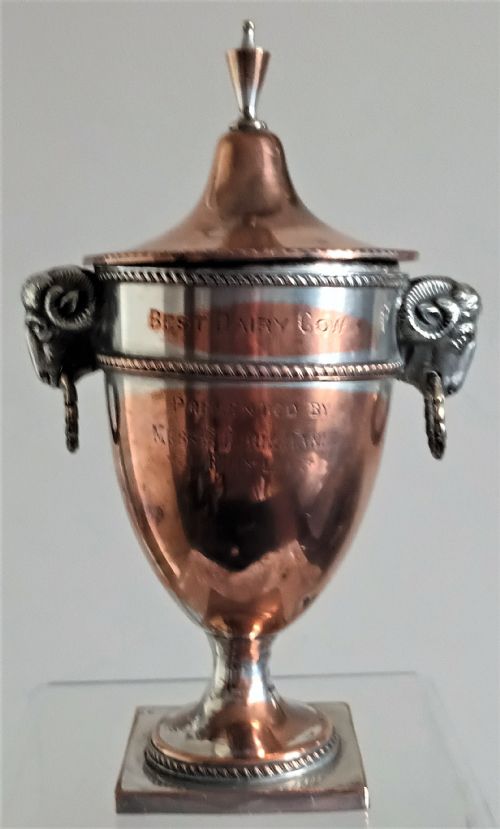
Old Sheffield Plate reveals thin lines of red-brown copper along cut edges, seams, or areas of heavy wear where the fused silver sheet has worn thin. The manufacturing process creates a heavier, stiffer feel compared to nineteenth-century electroplate.
Electroplated items show a uniform silver colour across all surfaces, and they often carry maker marks specific to the Victorian and Edwardian electroplating industries.
Are engraved dates on these items always reliable?
Engraved dates on presentation pieces typically record the exact year of the award, sports match, or retirement event. They provide a secure baseline for dating the physical object itself.
Occasionally, older blanks were engraved at a later date, but the style of the lettering and the hallmarks generally align with the period of manufacture.