

Antique Presentation Box
An antique presentation box marks an official tribute or personal milestone through precious metals, fitted interiors, and detailed inscriptions.
Antique Presentation Box
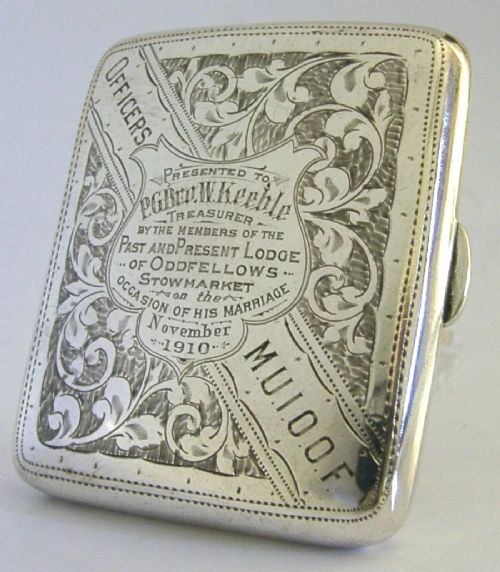
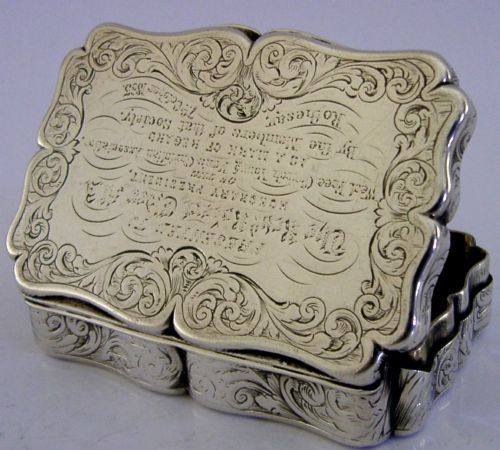
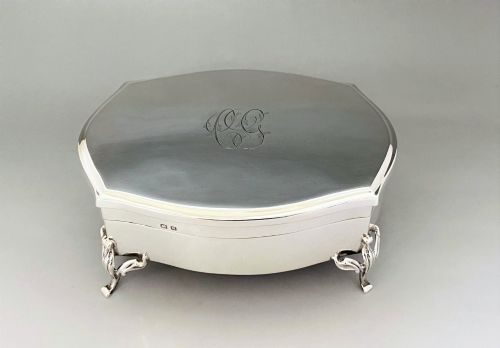
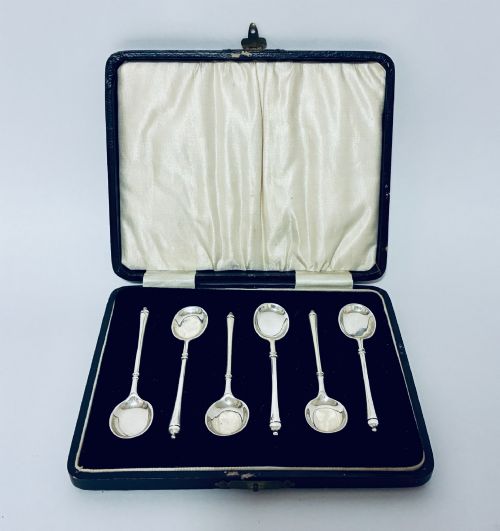
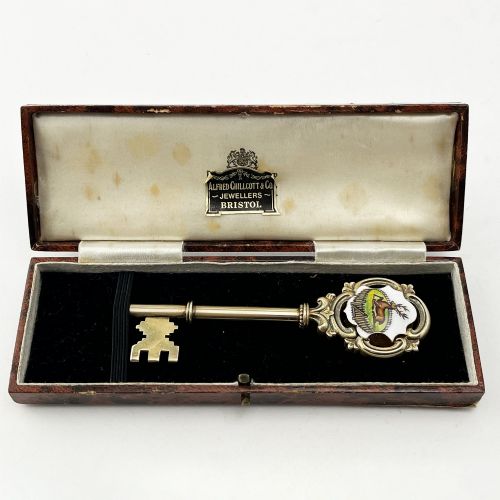
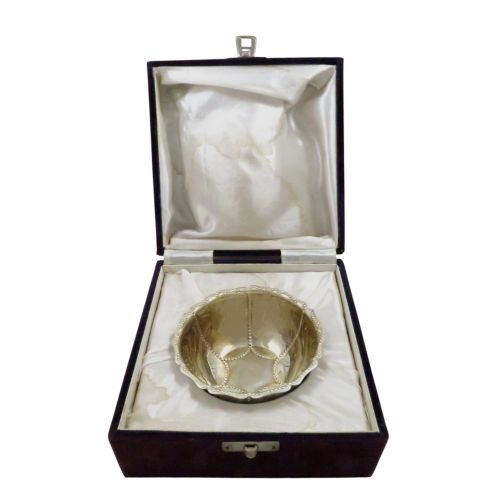
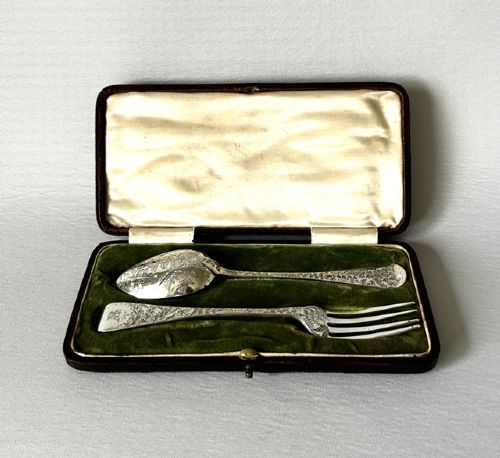
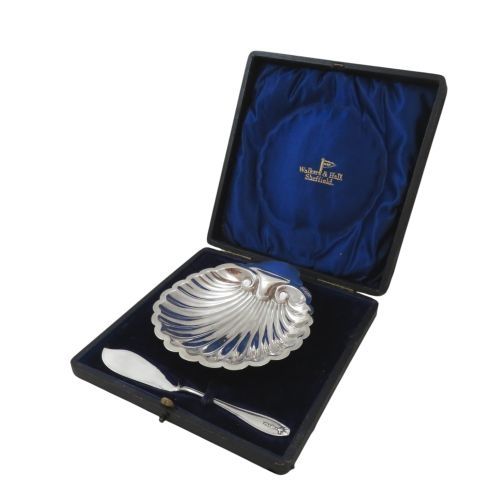
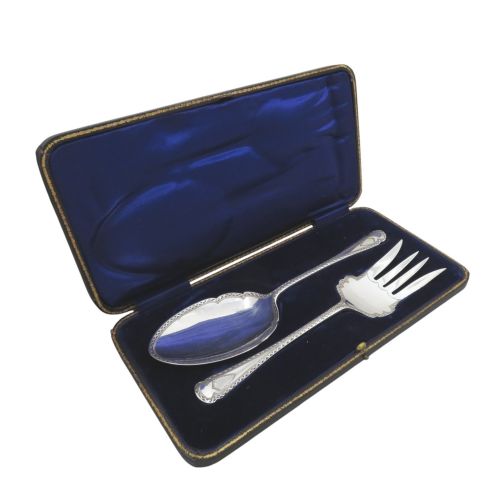
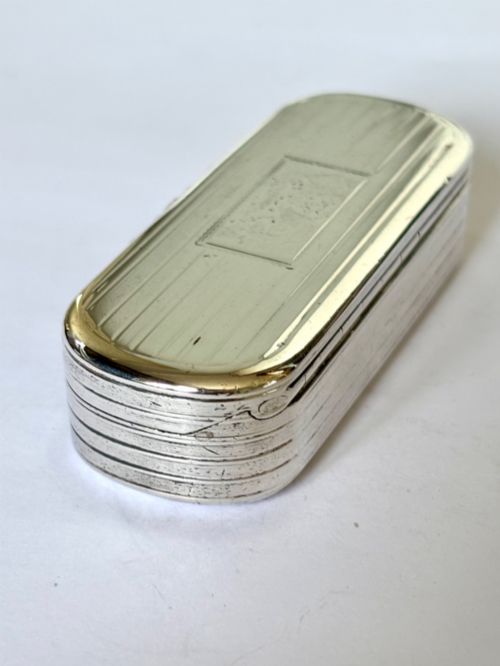
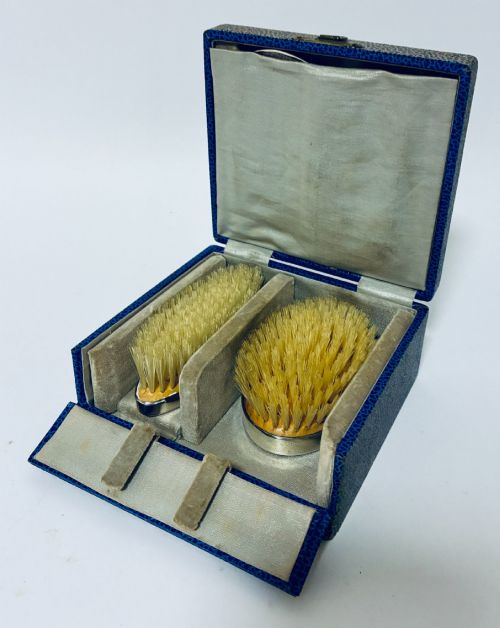
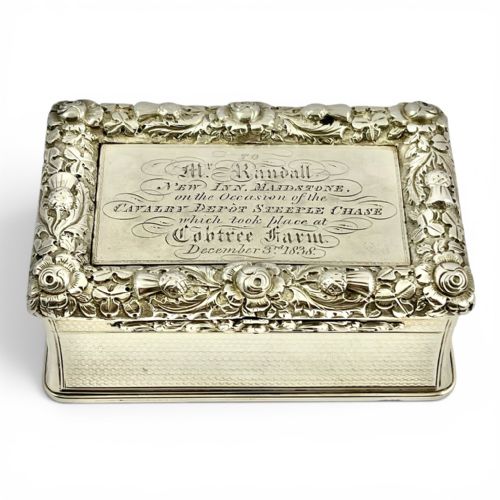
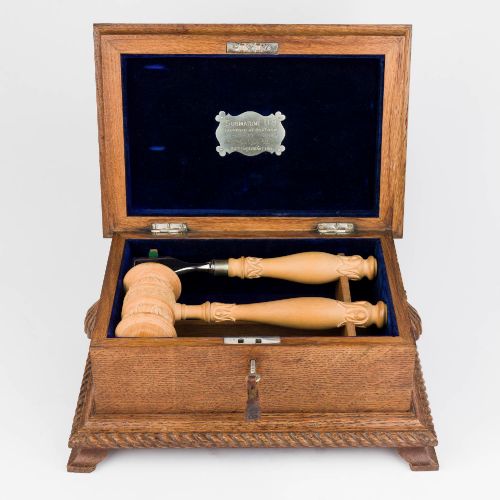
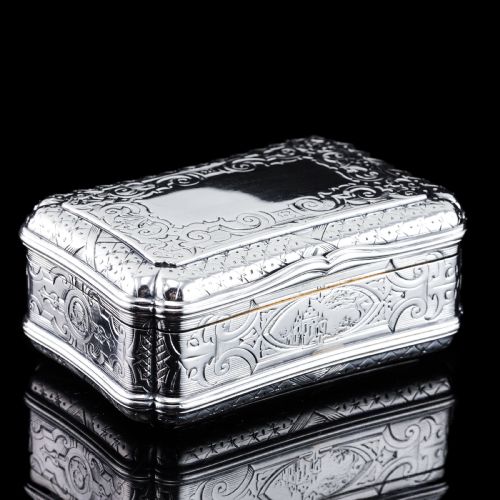
When you search for an antique presentation box, you encounter containers specifically commissioned to mark an event, house a commemorative item, or honour a recipient. The forms on this page range from solid sterling silver snuff boxes and table caskets to fitted cases holding christening sets, cutlery, keys, and medals.
You are most likely to meet Victorian and Edwardian examples fashioned in sterling silver, often lined with velvet or silk. These vessels frequently carry specific historical associations, linking them to military figures, civic ceremonies, or royal provenance from the nineteenth and early twentieth centuries.
Materials and construction
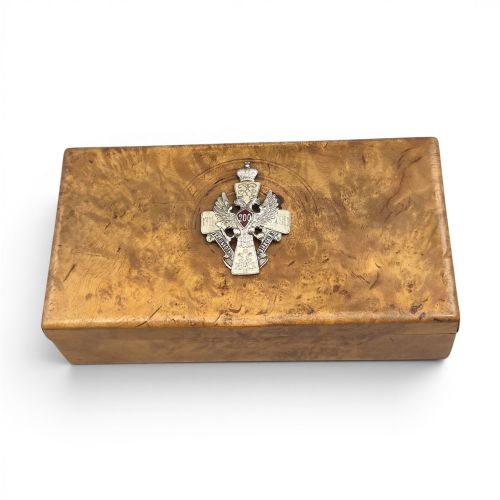
The materials recorded in these listings rely heavily on sterling silver, gold, and timber such as oak, walnut, and Karelian birch, combined with soft internal linings of velvet and silk. Metalsmiths utilised casting, hand engraving, chasing, and silver gilding to decorate the exterior surfaces of snuff boxes and presentation caskets.
Makers integrated functional elements like hinges, clasps, and cartouches alongside applied enamel badges and gold mounts. Fitted interiors were carefully tailored to cradle delicate items such as pocket watches, presentation keys, and ceremonial trowels.
Recorded forms for this search include silver snuff boxes, fitted christening sets, naval launching caskets, and royal notelet cases.
Distinguishing craftsmanship
Quality in an antique presentation box rests upon the depth of the metalwork, the precision of the engraving, and the original integrity of the fitted interior. Pieces bearing crisp, hand-chased floral borders and deep relief work reflect superior handiwork by skilled silversmiths compared to plain or lightly stamped alternatives.
The distinction between standard containers and exceptional pieces also lies in documented provenance and association. Items carrying royal crests, regimental badges, or named recipient histories demonstrate a higher tier of commissioning and artistic execution.
Robert Thornton·Dunhill Rollagas·Smiths·Cartier·Elkington And Co·David McDonald·Joseph Willmore·Alexander J Strachan·Nathaniel Mills·Edward Smith
The Antique Presentation Box Glossary
- Cartouche
- An ornamental frame or panel, usually with a smooth centre intended for engraved initials, dates, or presentation inscriptions. It frequently appears on the lids of silver snuff boxes and card caskets.
- Silver Gilt
- Silver that has been coated with a thin layer of gold on its surface, often applied to the interior of presentation boxes to protect the metal from tarnishing or chemical corrosion.
- Chasing
- A metalworking technique where the artisan pushes the metal from the front using punches and hammers to create raised, decorative surface patterns without removing material.
- Karelian Birch
- A distinctive hardwood characterised by swirling, light-coloured grain patterns and dark knots, frequently utilised for high-status Scandinavian and Russian decorative boxes.
- Hallmark
- A series of official stamps applied to precious metals indicating the standard of purity, the assay office, the maker's mark, and the year of production.
Antique Presentation Box: Frequently Asked Questions
How were presentation boxes used?
These boxes served primarily as vessels for formal gifts presented by institutions, military regiments, or civic bodies to deserving individuals. Once handed over at a ceremony, they functioned both as protective storage and as permanent display pieces for the awarded artefact.
Beyond ceremonial use, many examples served as personal luxury containers for snuff, writing instruments, or delicate trinkets, kept on desks or dressing tables within wealthy households.
How do I date a silver presentation box?
Dating a silver presentation box relies on examining the hallmarks stamped into the metal, which indicate the specific assay office and the year of manufacture. Stylistic clues such as floral chasing, cartouche shapes, and structural forms also point toward periods like the Georgian, Victorian, or Edwardian eras.
Many presentation boxes also feature engraved inscriptions recording the exact date of the ceremony, providing a clear historical anchor for the object's creation.
How should I care for a presentation box?
Caring for an antique presentation box involves protecting delicate internal linings like silk and velvet from moisture, direct sunlight, and excessive handling. Leather and wood exteriors benefit from stable room environments to prevent warping or drying out.
When cleaning silver or gold components, avoid abrasive cloths that can wear down antique engravings or hallmarks, opting instead for gentle, non-abrasive conservation methods appropriate for precious metals.