




Antique Presentation Bowl
An antique presentation bowl marks a formal occasion, taking the form of sterling silver or plated vessels given as prizes or testimonials.
Antique Presentation Bowl
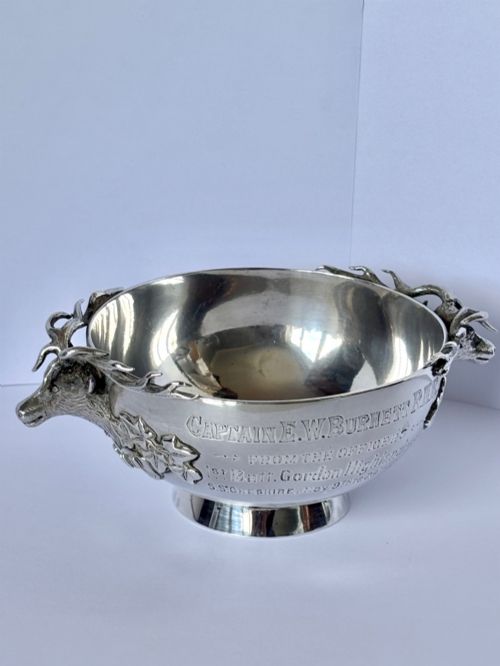
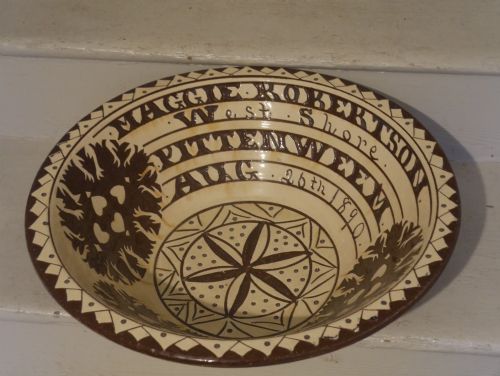
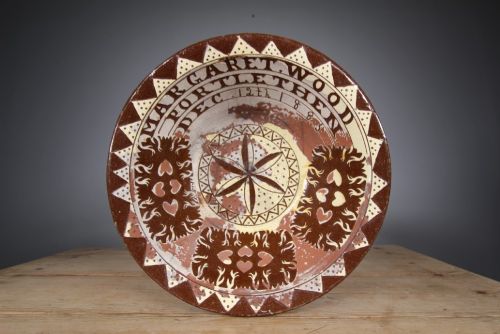
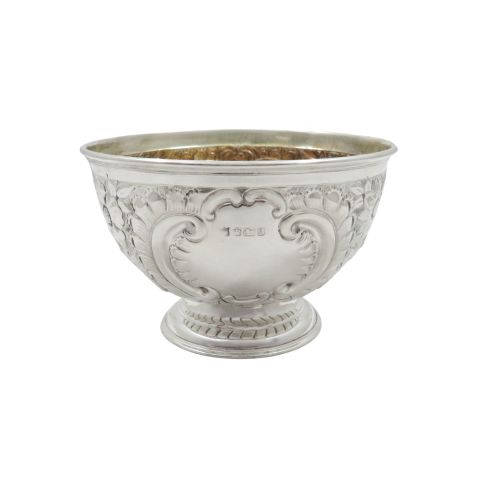
An antique presentation bowl is typically encountered as a sterling silver or silver-plated vessel originating from the Victorian and Edwardian eras. These pieces were commissioned to mark triumphs, retirements, or civic events, often bearing engraved inscriptions that record the original recipient.
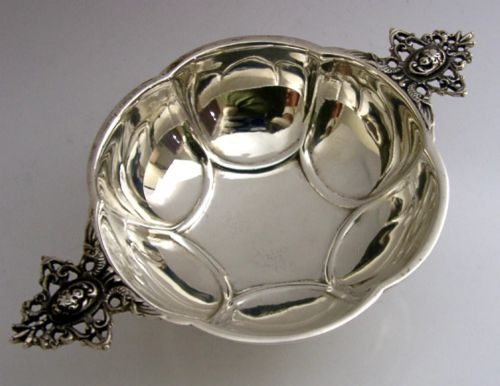
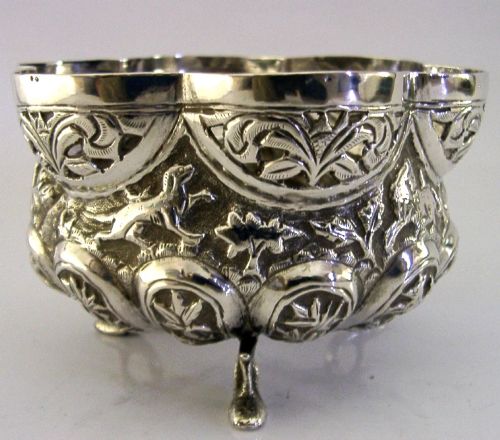
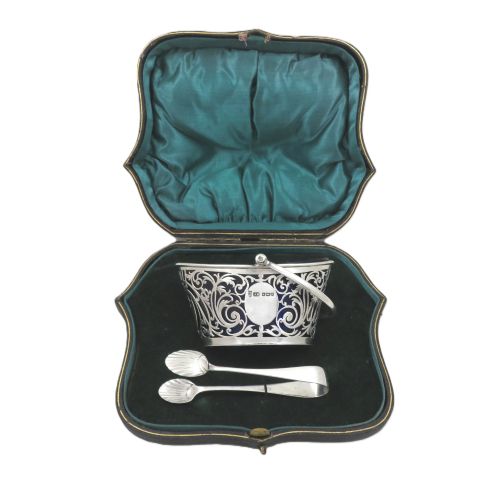
The form ranges from deep pedestalled bowls to low sugar baskets and centrepiece vessels designed to dominate a dining table or sideboard. Alongside classic British silver, collectors frequently encounter specialised regional variations such as Anglo-Indian silver or Dutch solid silver brandy bowls.
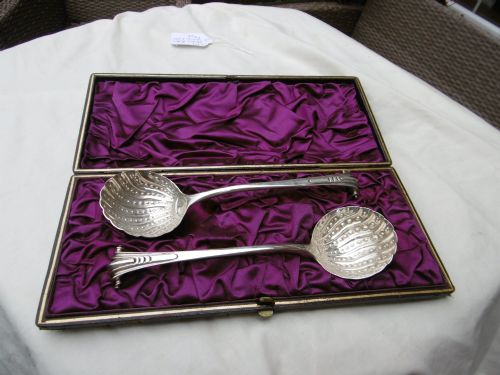
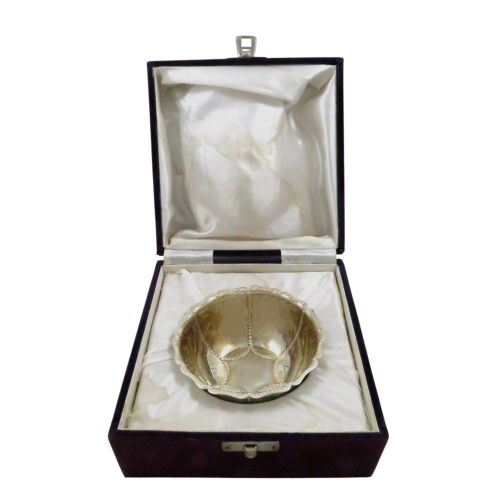
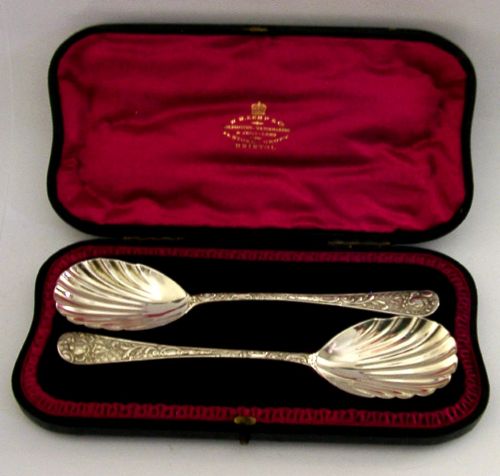
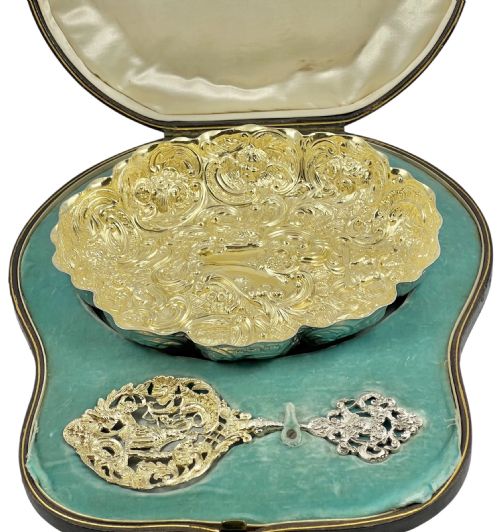
Many of these vessels survive alongside their fitted presentation cases lined with velvet, satin, or silk, which protected the metal and enhanced the ceremonial nature of the gift. The presence of these original boxes often indicates an object kept as a treasured heirloom rather than put to everyday domestic use.
Materials and construction methods
Sterling silver and silver plate on copper form the primary structural foundations for these ceremonial vessels, shaped through traditional smithing techniques such as raising and spinning. Many examples combine precious metals with supporting organic elements, utilising solid oak for mounted bases or fitted display tiers.
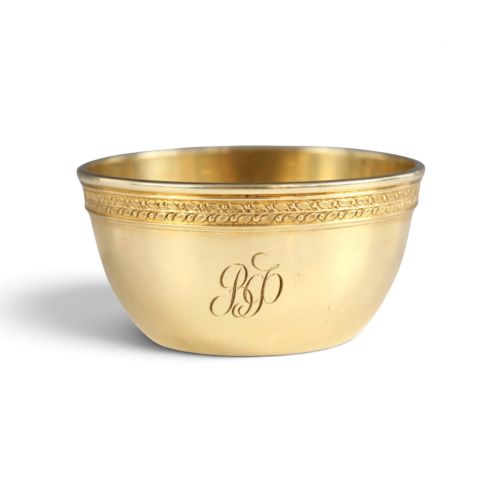
Surface ornamentation relies heavily on manual chasing, repoussé work, and hand engraving to delineate floral motifs, birds, and dedicatory inscriptions. Interior gilding, known as silver-gilt, appears frequently in pieces intended to hold sugar or liquids, providing a rich contrast to the polished exterior silver.
Antique Presentation Bowl Retail Price Guide 2026
Typical asking prices for presentation bowl among the pieces listed under this phrase on Sellingantiques today, from the lower quarter to the upper quarter. They describe what is for sale here now, not the wider market.
Materials documented across the archive include solid oak, ceramic, earthenware, velvet, silk, and satin alongside precious metals.
Distinctions in craftsmanship
The distinction between standard commercial output and superior craftsmanship rests on the crispness of the hand-chased relief and the depth of the metal gauge. Heavier silver yields a more substantial tactile presence and allows for deeper, more durable engraving without compromising structural integrity.
The quality of associated elements, such as fitted wooden presentation cases lined with silk or velvet and custom-moulded interiors, indicates the original financial investment of the commission. Maker attribution further elevates an object, with recognised workshops delivering superior finishing details on mounts, handles, and pedestals.
Fabergé·Seaton Pottery·Stephan Wekeva
The Antique Presentation Bowl Glossary
- Presentation bowl
- A commemorative vessel given as an award or token of esteem, typically featuring an engraved dedication. These pieces span Victorian and Edwardian periods in sterling silver and silver plate.
- Silver-gilt
- Silver that has been coated with a thin layer of gold on the interior or exterior surfaces. This technique protects the metal from tarnishing when in contact with food or drink.
- Repoussé
- A metalworking technique where the metal is hammered from the reverse side to form a raised design in relief. Artisans then refine the details from the front using chasing tools.
- Monteith
- A type of bowl featuring a scalloped or notched rim historically used for chilling wine glasses. The rim supported the stems while the bowls rested in ice water.
- Quaich
- A traditional Scottish two-handled drinking vessel used for whisky or brandy. These shallow bowls feature characteristic lug handles adapted from early wooden prototypes.
Antique Presentation Bowl: Frequently Asked Questions
How can I date an antique presentation bowl?
Dating relies primarily on the hallmarks stamped into the metal, which record the assay office, date letter, and standard of silver. Stylistic indicators such as Victorian repoussé work or Edwardian proportions offer secondary confirmation.
Engraved dedications on the body often provide an exact year for the presentation, matching the hallmarked date of manufacture. Comparing the script style of the inscription to period typography helps verify the chronology of the piece.
What were presentation bowls originally used for?
These vessels served as ceremonial prizes for sporting events, military achievements, and civic service rather than everyday tableware. They occupied prominent positions on sideboards or club mantelpieces as permanent displays of prestige.
While some functioned as fruit dishes, sugar basins, or wine coolers, many existed solely for visual commemoration. The inclusion of fitted presentation cases indicates they were often kept securely stored except on formal occasions.
Are fitted presentation cases important for value?
Original cases lined with velvet, satin, or silk significantly enhance the historical completeness and appeal of a piece. They demonstrate that the vessel was treated as a special commission from its creation.
These boxes also protect the silver from environmental oxidation and physical knocks over decades of storage. Surviving cases often feature maker labels inside the lid that assist with provenance.