



Antique Pottery Tray
An antique pottery tray serves as a functional centrepiece of the table, offering durable ceramic utility shaped by centuries of regional design.
Antique Pottery Tray
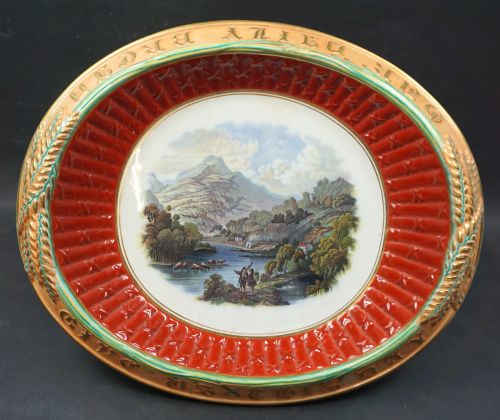
An antique pottery tray encompasses utilitarian and decorative vessels including platters, serving dishes, spoon trays, and pin trays originating from Georgian, Victorian, and Edwardian periods.
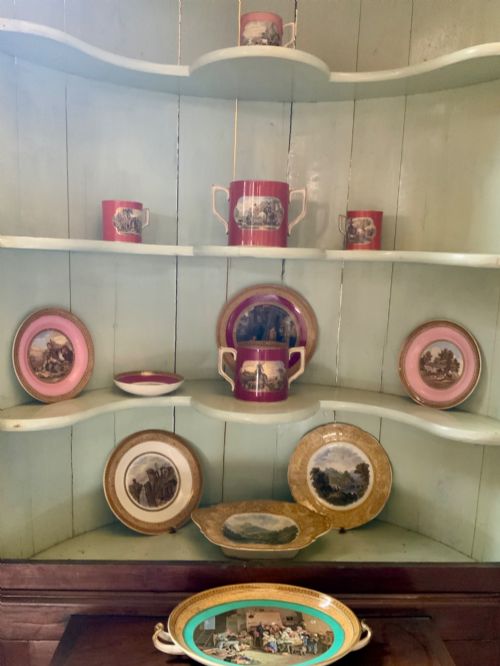
The selections span domestic earthenware, pearlware, ironstone, and glazed ceramic forms alongside continental faience and Dutch delftware.
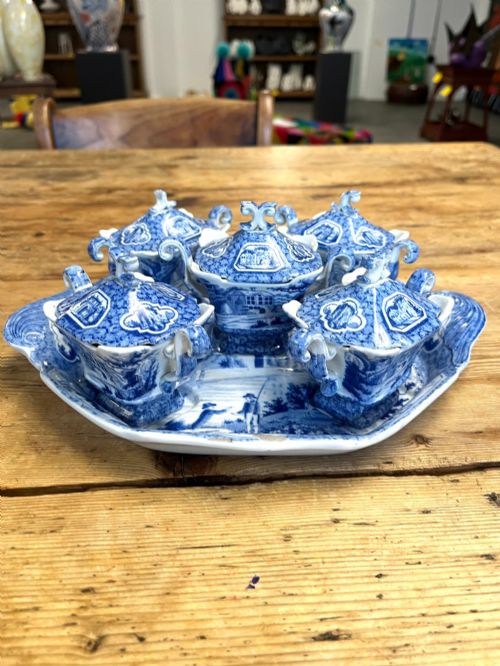
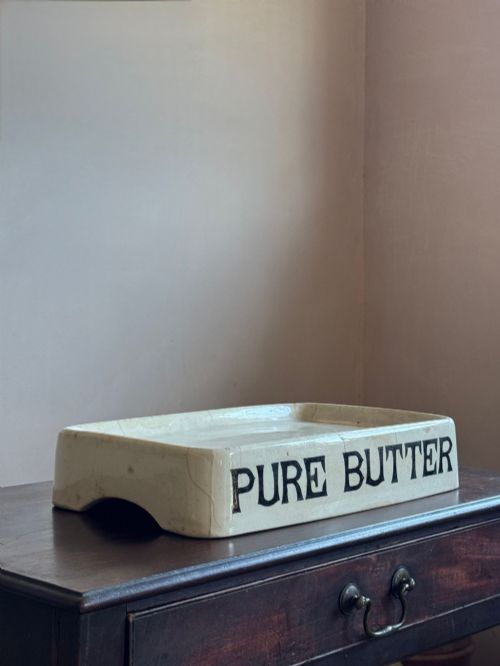
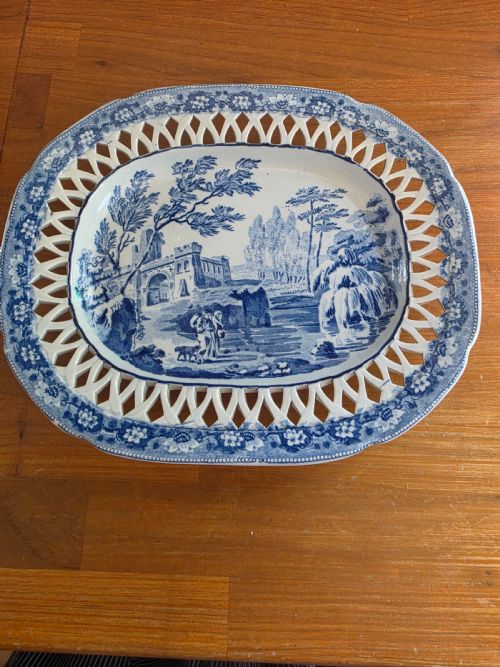
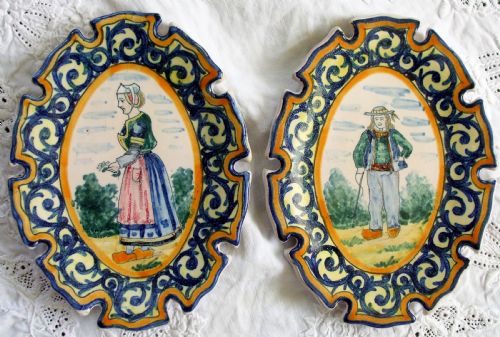
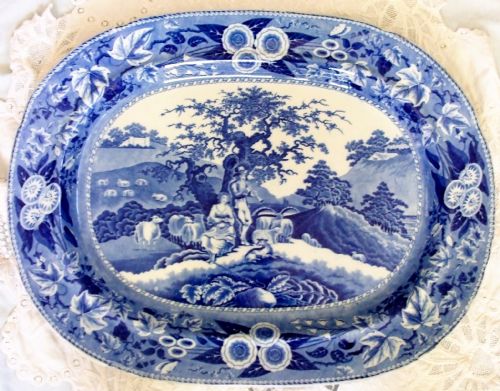
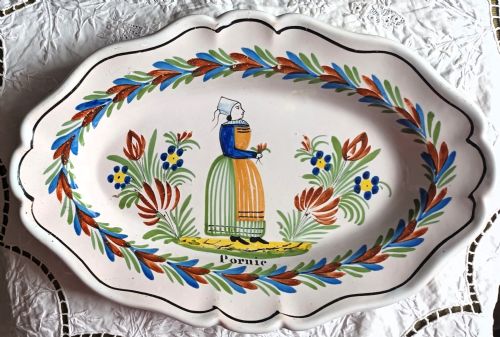
Buyers encounter blue and white transfer-printed designs, hand-painted regional motifs, and specialised advertising or grocers slabs.
How they were made
Potters shaped earthenware, pearlware, and ironstone on wheels or in moulds before applying tin glazes or transparent lead coatings.
Makers applied cobalt pigment and transfer-printed copperplate transfers directly onto the ceramic body prior to high-temperature kiln firing.
Antique Pottery Tray Retail Price Guide 2026
Typical asking prices for pottery tray among the pieces listed under this phrase on Sellingantiques today, from the lower quarter to the upper quarter. They describe what is for sale here now, not the wider market.
Certain early platters depict surprisingly detailed exotic elephants and classical ruins executed in deep blue cobalt.
What varies in quality
Artistic execution reveals itself in the crispness of transfer-printed detail, the depth of cobalt pigment, and the precision of hand-painted brushwork on faience and delftware.
Structural refinement shows in the evenness of the ceramic body, the smoothness of the glaze, and the clarity of moulded elements such as pierced borders.
Davenport·Spode·Thomas Lakin·John Rogers and Son·William Moorcroft
The Antique Pottery Tray Glossary
- Pearlware
- A refined earthenware developed in the late eighteenth century featuring a subtle bluish glaze that pooled slightly in recesses.
- Faience
- Tin-glazed earthenware produced in France and continental Europe, often hand-painted with local figures and floral sprays.
- Ironstone
- A durable heavy ceramic patent developed in the nineteenth century to withstand rigorous household service.
- Transfer printing
- A decoration technique where an engraved copperplate transfers a design onto paper and then onto the ceramic surface.
Antique Pottery Tray: Frequently Asked Questions
What is an antique pottery tray used for?
These pieces served practical dining roles such as holding meat joints, bread, or cheese, while smaller examples functioned as spoon trays or pin dishes on dressing tables.
Today, they suit similar display and serving functions in contemporary interiors, adding historical character to everyday tables and surfaces.
How do I date a blue and white pottery tray?
Dating relies on examining the ceramic body type, such as early pearlware versus later ironstone, alongside the style of the blue transfer-printed border and central scene.
Potter marks stamped or printed on the underside also provide specific evidence of manufacturing periods and origins.
What is the difference between delft and faience?
Dutch delft specifically designates tin-glazed earthenware produced in the Netherlands, traditionally utilising a tin-opacified glaze painted in blue.
Faience is the broader European term encompassing similar tin-glazed pottery traditions found across France and other continental regions.
How should I care for an antique ceramic tray?
Gentle hand washing with mild soap and warm water preserves the historic glaze and prevents damage to the underlying earthenware body.
Harsh abrasives and modern dishwashers should be avoided to protect the integrity of the antique ceramic material and any hand-painted decoration.