




Antique Pottery Panel
An antique pottery panel offers a glimpse into historic ceramic artistry, bringing intricate glaze work and hand-painted scenes directly onto your wall.
Antique Pottery Panel
When you search for an antique pottery panel, you encounter a diverse selection of wall plaques, architectural tiles, and framed ceramic art spanning multiple centuries and geographic regions. These items serve primarily as decorative wall art, transforming flat surfaces into focal points rich in historical texture.
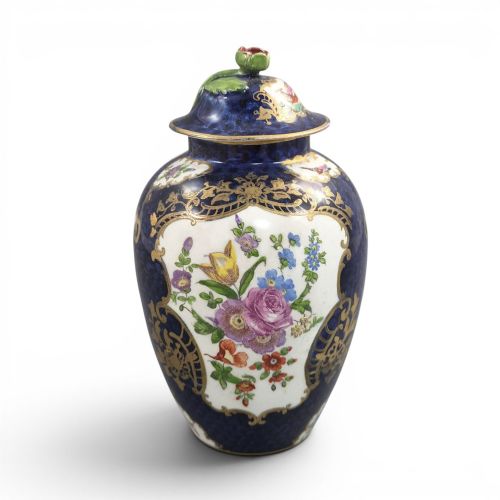
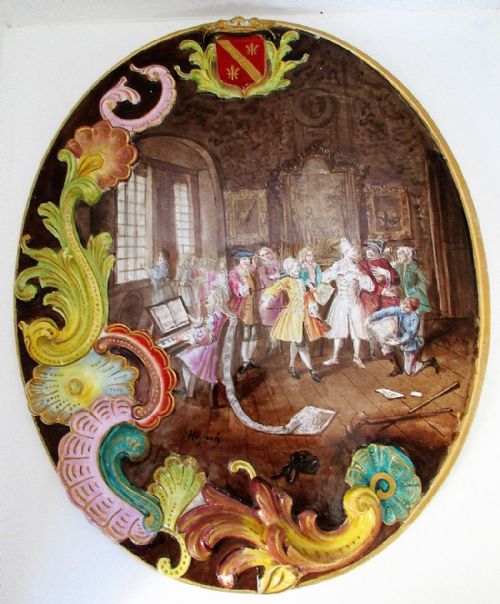
The pieces appearing on this page range from Victorian Arts and Crafts turquoise relief plaques and Longwy tiles to 17th-century Kubachi pottery tiles and Persian Nastaliq script tiles. You are most likely to meet glazed earthenware and porcelain tiles or plaques that incorporate pictorial panels, floral motifs, or script.
Originating from diverse traditions including Japanese Meiji period workshops, Italian faience makers, and Chinese kilns, these objects demonstrate how ceramic surfaces functioned as canvases long before modern wall art became commonplace. Each piece preserves the specific aesthetic priorities of its period, whether that involves Italian pictorial storytelling or intricate Middle Eastern script.
Materials and methods of construction
Makers shaped these panels using earthenware, pearlware, ceramic, and porcelain bodies, frequently applying tin or lead glazes to create smooth, vitreous surfaces. Artisans then hand-painted intricate details using mineral pigments, enamels, and occasionally gold leaf to accentuate relief work and figural scenes.
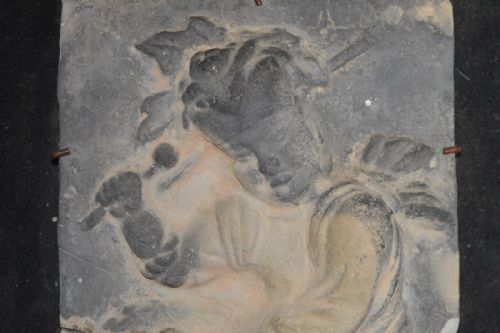
Firing techniques varied significantly depending on the origin, from low-temperature earthenware kilns to high-firing porcelain production. Relief elements were often moulded separately before being applied to the main body, as seen in Arts and Crafts plaques depicting children with animals.
Antique Pottery Panel Retail Price Guide 2026
Typical asking prices for pottery panel among the pieces listed under this phrase on Sellingantiques today, from the lower quarter to the upper quarter. They describe what is for sale here now, not the wider market.
Distinguishing quality in ceramic panels
The refinement of the painting and the depth of the glaze largely determine the distinction between ordinary production and superior craftsmanship. Master artisans achieved crisp lines and subtle colour gradations that lesser workshops simply approximated with heavier, flat brushwork.
The complexity of the moulding and the preservation of the original surface finish also dictate the tier of a piece. Finer examples retain sharp relief details and crisp enamel work without excessive rubbing or modern restoration obscuring the historic ceramic body.
The Antique Pottery Panel Glossary
- Faience
- Tin-glazed earthenware produced in Europe, particularly associated with Italian and French traditions. It provides a smooth white ground suitable for detailed hand-painted pictorial scenes.
- Kraak porcelain
- Chinese export porcelain manufactured during the late Ming dynasty, characterised by panelled decoration and delicate blue and white motifs. These pieces often feature border segments radiating from a central medallion.
- Moriage
- A Japanese decorating technique involving raised slip applied to the ceramic surface to create tactile relief patterns. It is frequently highlighted with heavy gilding.
- Pearlware
- A refined earthenware developed in the late eighteenth century featuring a subtle bluish glaze that pools in crevices. It bridges the gap between creamware and true porcelain.
Antique Pottery Panel: Frequently Asked Questions
What periods do these panels represent?
The pieces span a wide chronological range, including sixteenth-century Chinese porcelain, seventeenth-century Kubachi pottery, and eighteenth-century funereal tiles. Victorian and Edwardian examples are also common, particularly Arts and Crafts relief plaques and French decorative tiles.
Each era employed distinct glaze chemistry and pigment palettes, allowing collectors to identify periods by observing the interaction of body material and surface decoration.
How do I care for a ceramic panel?
Display pottery panels away from areas prone to extreme temperature fluctuations or high humidity to protect the underlying ceramic body and historic glazes. Dust them gently with a soft, dry cloth without applying commercial cleaning liquids.
If a panel is mounted on a wall, ensure the hanging hardware securely supports the weight of the ceramic and any wooden framing to prevent accidental drops.
How can I distinguish between different regional styles?
Regional styles reveal themselves through characteristic clay bodies, glaze compositions, and ornamental motifs. For instance, Persian tiles often incorporate Nastaliq script and geometric borders, while Japanese Meiji pieces frequently utilise intricate enamels and gilt highlights.
Studying the reverse of unglazed tiles or observing the crazing patterns in the glaze further assists in narrowing down the geographic origin and period of manufacture.