






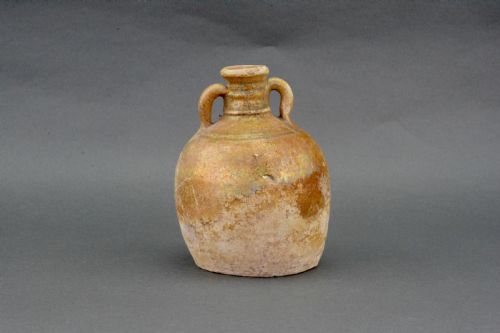

Antique Pottery Amphora
These antique pottery amphora pieces are classic vessels shaped for storage and display, prized by collectors for their historical forms and earthy presence.
Antique Pottery Amphora
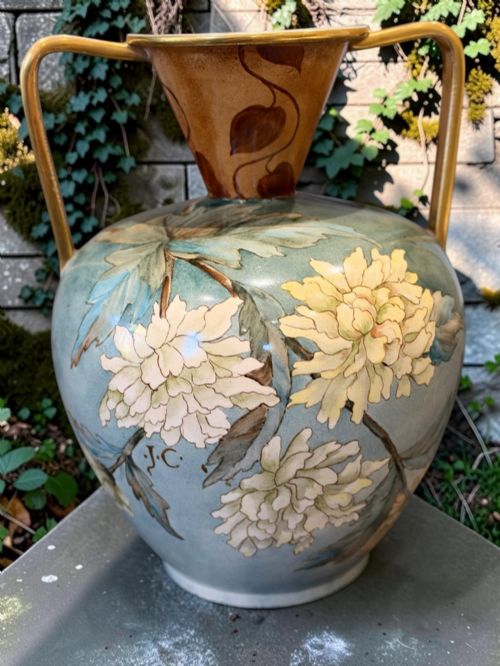
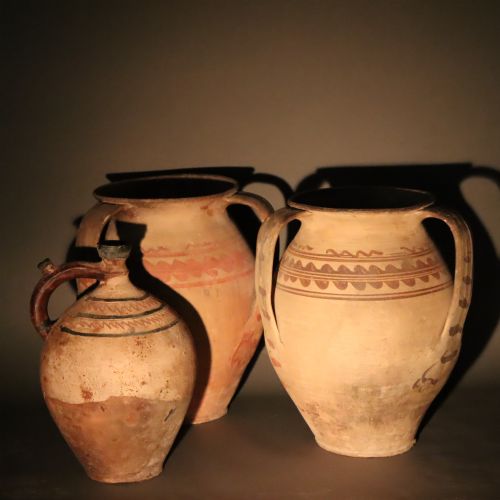
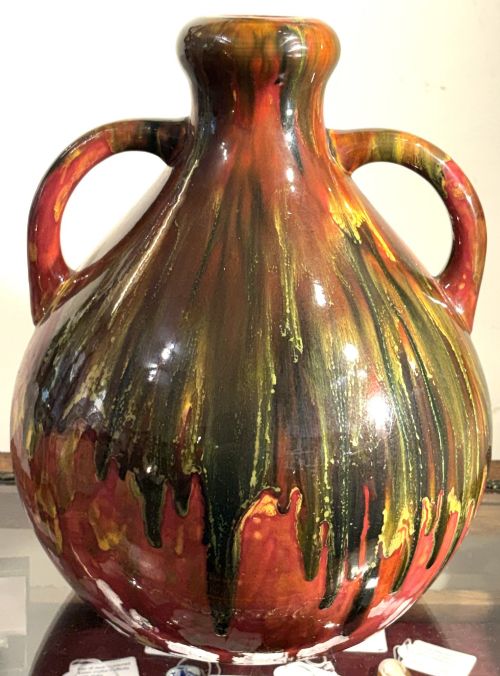
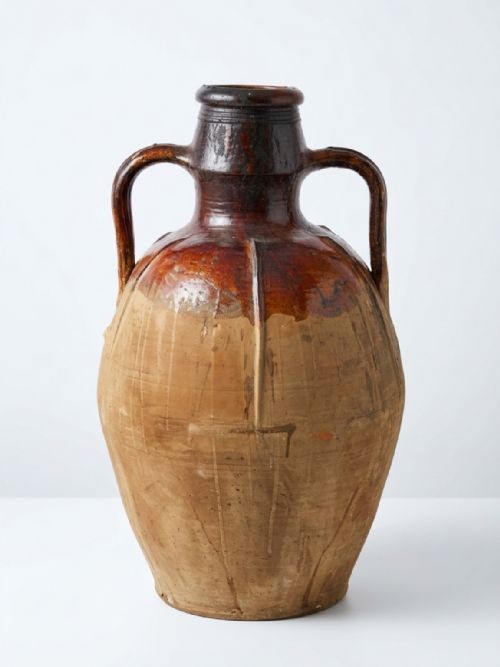
An antique pottery amphora brings ancient Mediterranean utility into domestic spaces through enduring forms such as twin-handled vases, olive jars, and wine vessels. Buyers searching for an antique pottery amphora will encounter diverse interpretations ranging from early archaeological artefacts to Victorian and Edwardian studio pieces.
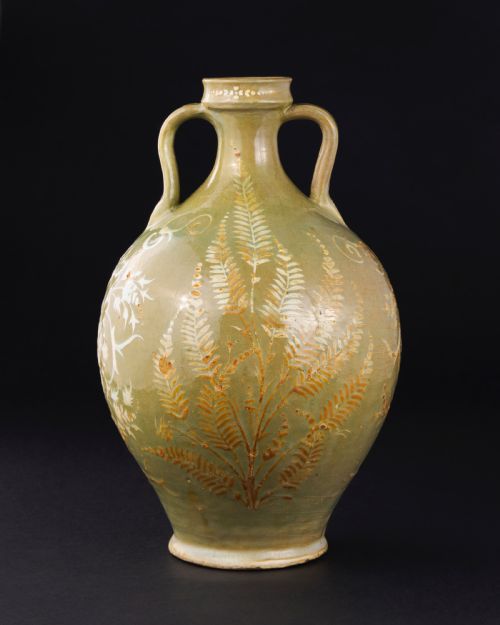
The selection encompasses monumental Austrian art pottery alongside rustic Mediterranean folk vessels and country Italian terracotta jars. Pieces span centuries, from pre-sixteenth century antiquities and seventeenth century Persian celadon up to the height of Art Nouveau production.
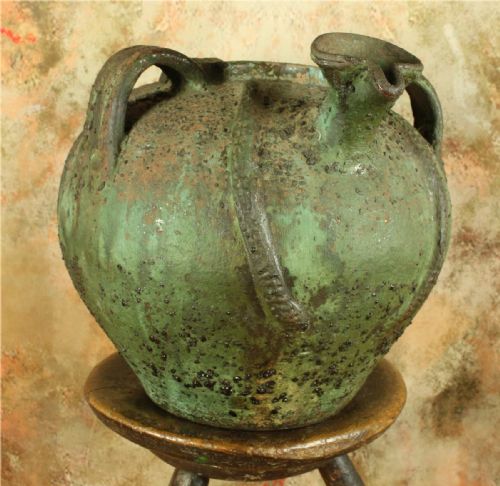
Functional utility defines many of these vessels, particularly the multi-handled oil pots and large storage jars originating from French and Turkish traditions. Other examples prioritise purely decorative expression through the fluid lines of the Art Nouveau period and Austrian ceramic workshops.
What varies in quality
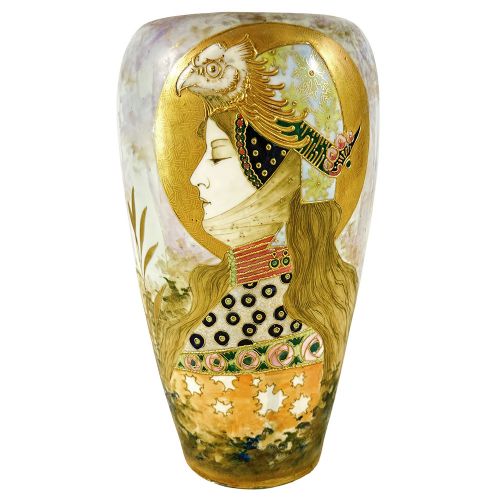
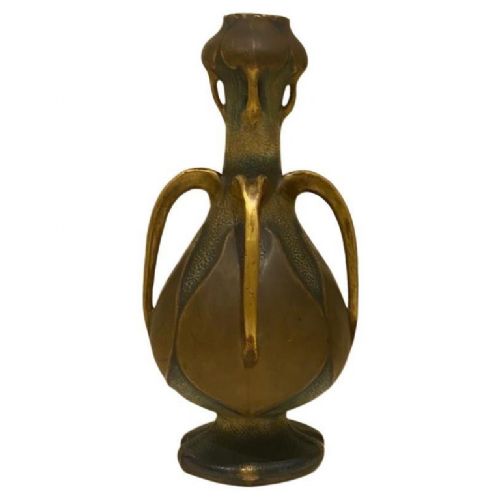
The distinction between ordinary utility wares and exceptional pieces rests in the ambition of the design and the execution of the surface decoration. Art pottery from established Austrian makers demonstrates sculptural mastery in modeled details such as water lilies, whereas country pottery relies on the honest proportion of the thrown clay.
Survival condition and the integrity of early glazes significantly influence the character of each vessel. Intact painted surfaces, original gilding, and well-preserved ceramic glazes elevate the visual impact of nineteenth century and earlier examples.
Antique Pottery Amphora Retail Price Guide 2026
Typical asking prices for pottery amphora among the pieces listed under this phrase on Sellingantiques today, from the lower quarter to the upper quarter. They describe what is for sale here now, not the wider market.
Listings feature items spanning from pre-sixteenth century antiquities to Edwardian Art Nouveau creations.
Burmantofts·Nicholas Kannhauser·Reissner Stellmacher and Kessel·Paul Dachsel
The Antique Pottery Amphora Glossary
- Amphora
- A two-handled jar with a narrow neck used in ancient times for storing oil or wine, which later inspired decorative nineteenth century ceramic revivals.
- Terracotta
- Unglazed or glazed fired clay of a brownish-red colour, commonly utilised for large Mediterranean garden and storage jars.
- Earthenware
- Porous pottery fired at lower temperatures, requiring a glaze or enamel coating to achieve impermeability for liquids.
- Celadon
- A transparent jade-green glaze originating in Asia and prized for its subtle crackle effect and smooth touch.
- Art Nouveau
- A decorative style characterised by flowing, organic lines and floral motifs that strongly influenced turn-of-the-century ceramic design.
Antique Pottery Amphora: Frequently Asked Questions
What were amphora vessels originally used for?
Ancient civilisations relied on these sturdy vessels to transport and store essential commodities including olive oil, wine, and grain.
The elongated bodies and twin handles made them practical for packing tightly into ships or resting steadily in cellar floors.
How do I identify an Art Nouveau amphora?
Art Nouveau examples typically display organic motifs such as water lilies, sinuous handles, and iridescent or hand-painted surfaces.
Austrian potteries from the turn of the twentieth century excelled in this sculptural and decorative aesthetic.
Are rustic terracotta jars suitable for outdoor display?
Many large nineteenth century terracotta jars originated as utilitarian garden or agricultural vessels meant for warm climates.
Frost protection is essential during freezing weather because porous earthenware absorbs moisture that can expand and crack the clay.
How should I clean an antique pottery vessel?
Dusting gently with a dry, soft cloth preserves the delicate dry surfaces of unglazed terracotta and early archaeological earthenware.
Avoid using water or chemical cleaners on porous clay or painted enamel finishes to prevent permanent surface damage.