

Antique Pot Locker
An antique pot locker provides discreet bedside storage in brass-mounted mahogany, oak, walnut, and satinwood across Victorian, Edwardian, and Art Deco periods.
Antique Pot Locker
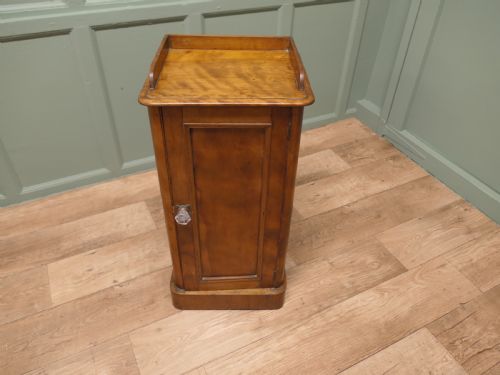
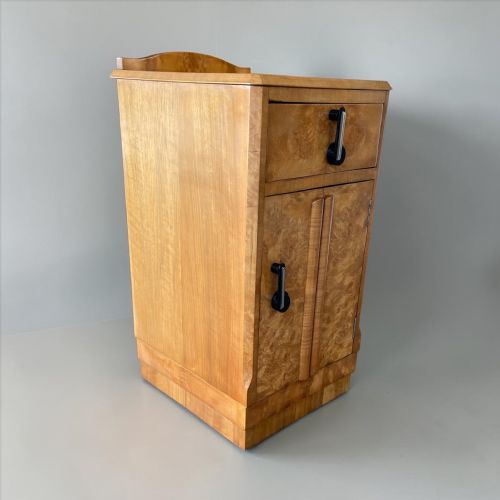
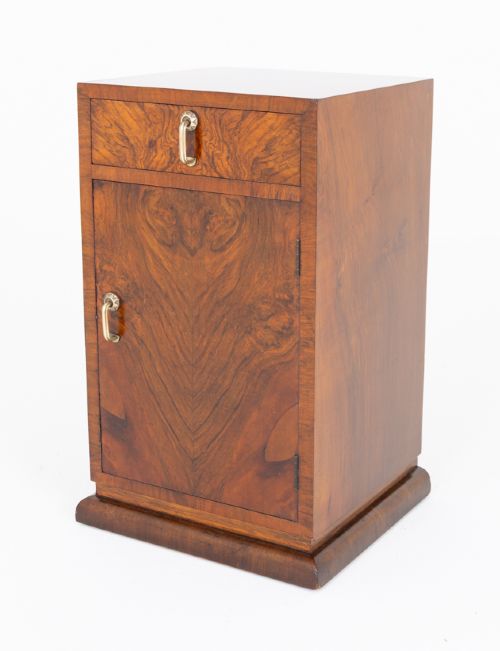
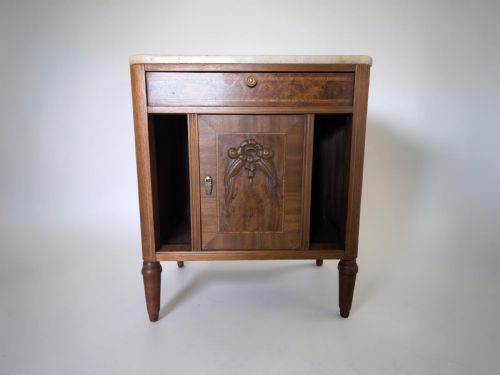
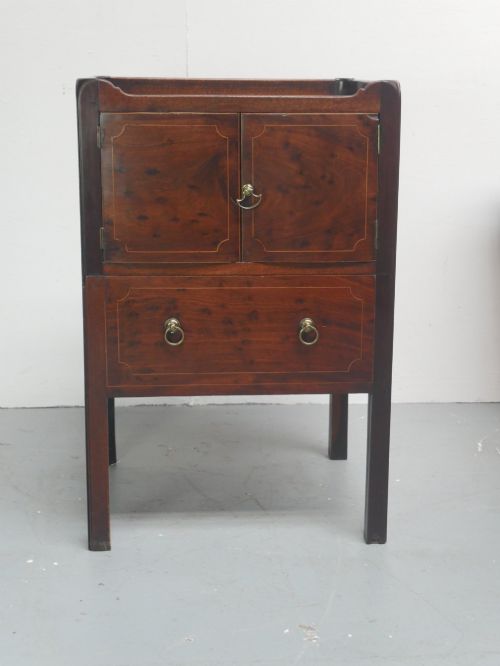
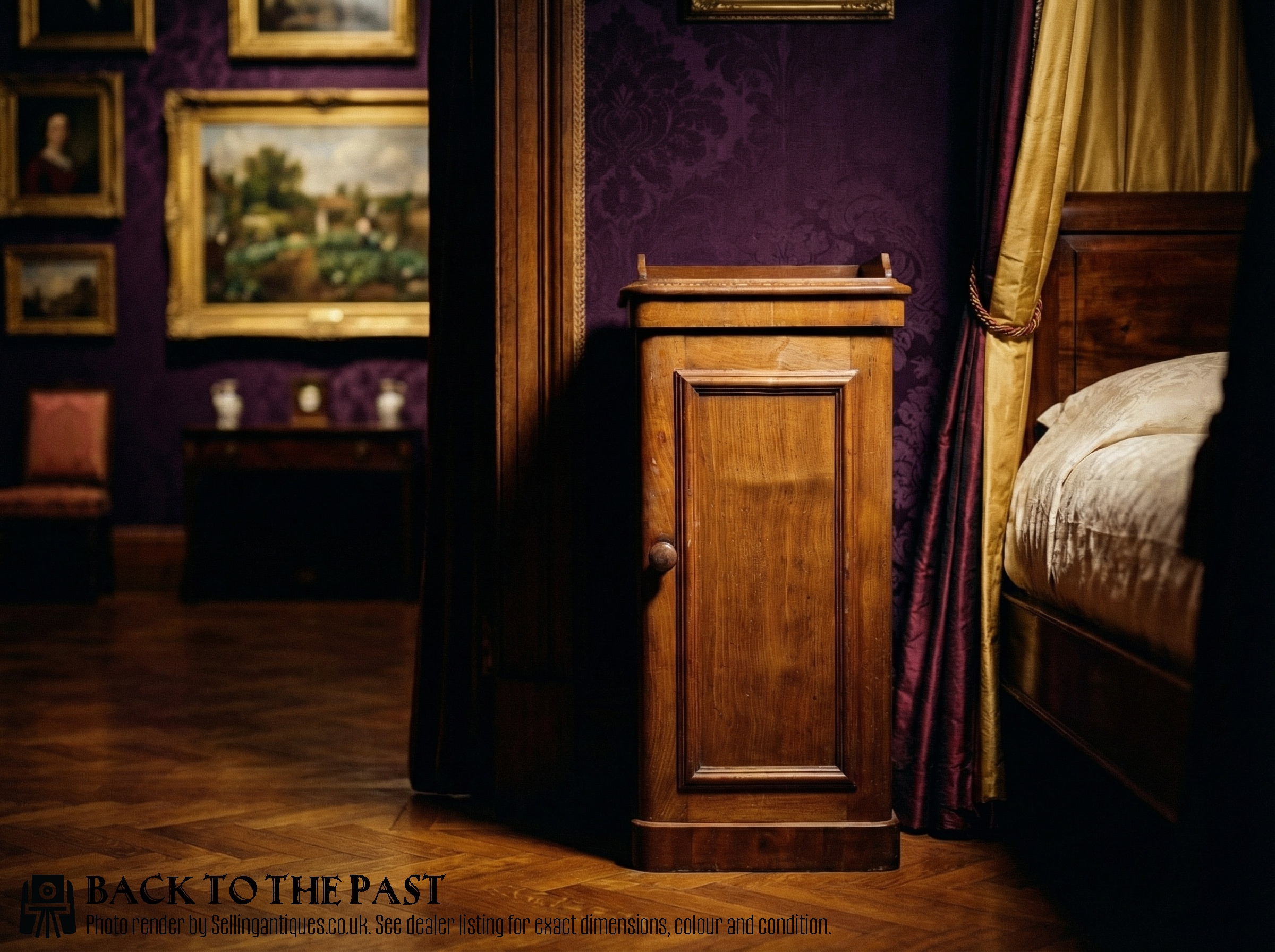
An antique pot locker functions primarily as a bedside cabinet, nightstand, or pedestal cupboard designed to hold a chamber pot alongside other personal items. These pieces emerge in forms such as bedside tables, storage cupboards, and music cabinets spanning the eighteenth century through the 1930s.
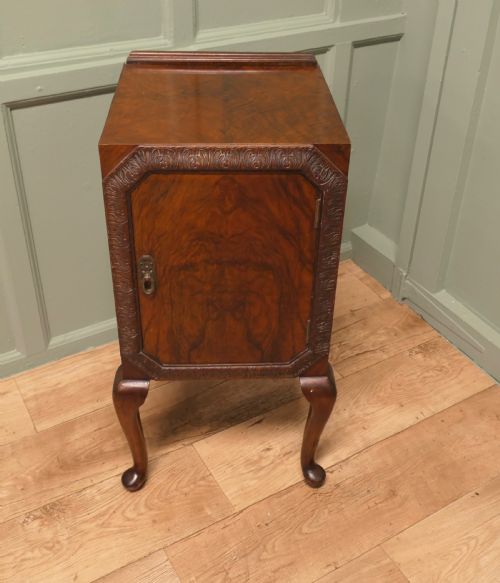
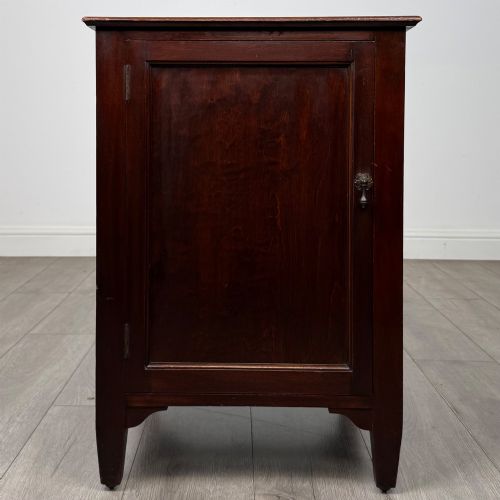
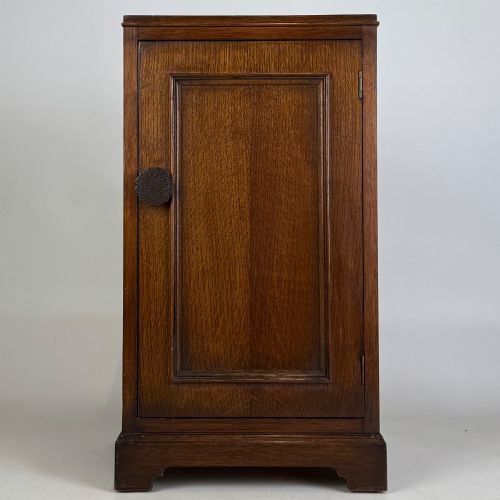
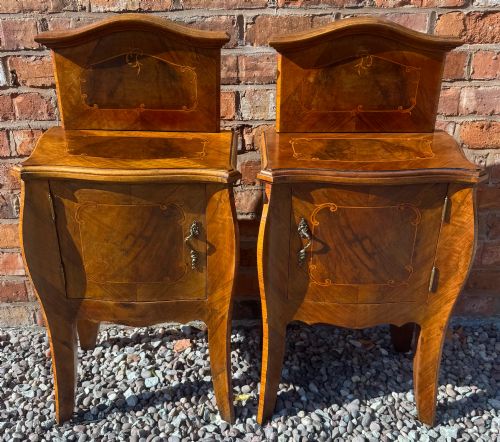
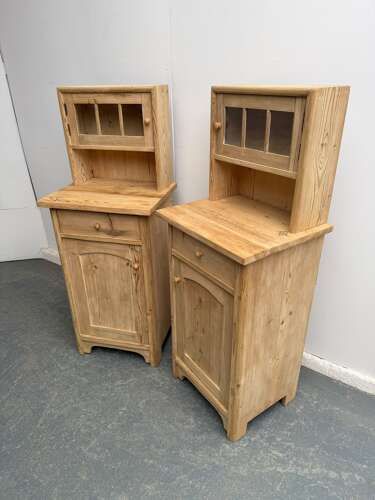
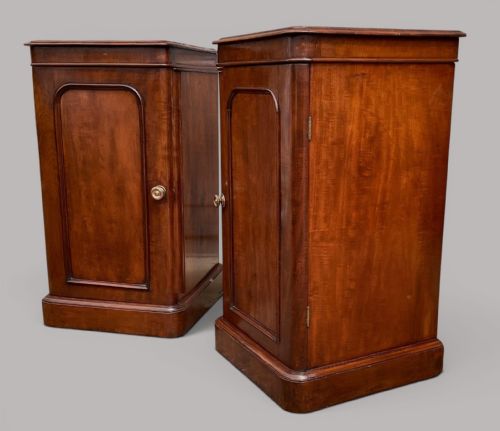
The version most frequently met on this page is the Victorian or Edwardian bedside cupboard executed in mahogany or oak. Examples range from simple pine cupboards to finely figured burr walnut and inlaid satinwood cabinets.
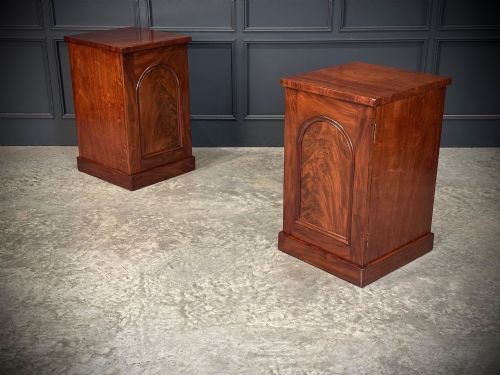
The repertoire extends to stylistic revivals including Louis XVI, Queen Anne, Gothic, and Georgian influences, alongside Art Deco and Arts and Crafts expressions. Buyers encounter single items as well as matching pairs intended to flank a bed.
Materials and construction methods
Cabinet makers utilised dense hardwoods including mahogany, oak, walnut, and satinwood, frequently selecting figured veneers like flame mahogany and burr walnut for primary visual impact. Secondary timbers such as pine support internal shelving and carcase construction.
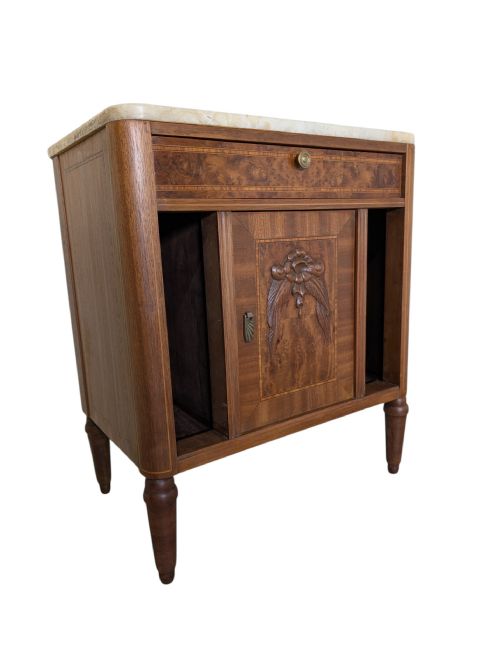
Surface treatment relies on traditional joinery, dovetail drawers, and hand-applied wax finishes, occasionally complemented by marble tops or delicate marquetry inlay. Brass handles, hinges, and gallery rails provide functional metallic contrast to the timber surfaces.
Listings feature bedside storage predominantly from the Victorian and Edwardian eras, constructed in mahogany, oak, and walnut.
Evaluating craftsmanship and condition
Quality rests upon the selection of timber grain, the precision of cabinet joinery, and the integrity of original hardware. Superior examples display tightly figured veneers, seamless timber matching across pairs, and crisp hand-carved detailing.
The presence of integrated marble tops, complex marquetry, and stamped maker attributions elevates an item's standing. Proportion, stability of the carcase, and the retention of original surface patination distinguish finer workshops from utilitarian production.
Holland and Sons·Gillows·Heals·Simpson Halifax
The Antique Pot Locker Glossary
- Pot locker
- A traditional term for a bedside cabinet or cupboard originally built to enclose a chamber pot. These pieces evolved into general bedside storage as domestic plumbing advanced.
- Pedestal cupboard
- A tall, narrow freestanding cabinet featuring a single door enclosing shelving or storage space. They often appear in matched pairs to flank a bed.
- Marquetry
- The art of applying decorative pieces of veneer to a structural structure to form geometric or floral designs. Cabinet makers employed this technique on satinwood and mahogany surfaces.
- Burr walnut
- A prized timber harvested from walnut tree growths, yielding intricate, swirling grain patterns. It commands attention on high-status Victorian and Edwardian cabinets.
- Upstand
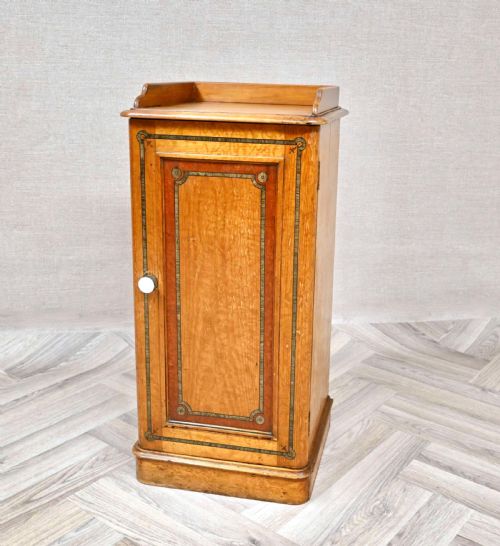
- A vertical wooden rim rising above the rear and sides of a cabinet top to prevent items from sliding off. This practical addition frequently incorporates shaped or carved detailing.
Antique Pot Locker: Frequently Asked Questions
What is an antique pot locker used for today?
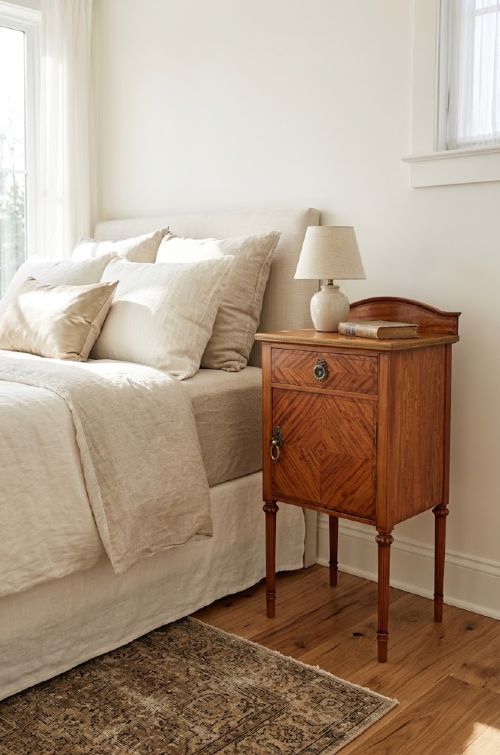
Modern interiors utilise these compact cupboards as bedside tables, lamp stands, or small storage units in living spaces. Their enclosed shelving accommodates books, electronics, and personal effects.
They function equally well in hallways or bathrooms where floor space is limited, providing surface display area paired with concealed storage behind a cabinet door.
How do I identify a Victorian bedside cabinet?
Victorian pieces typically employ solid mahogany, burr walnut, or pine, often featuring raised panel doors, turned wooden knobs, and heavy timber construction. Look for rich, dark patination and traditional hand-cut dovetail joints inside the drawers.
Many examples from this era date between the 1870s and 1890s, sometimes incorporating marble tops or ceramic interior linings designed for their original sanitary purpose.
Are Edwardian pot lockers different from Victorian ones?
Edwardian examples generally exhibit lighter timbers such as satinwood and lighter-toned oak, frequently embellished with delicate marquetry inlay or stringing. The overall aesthetic feels brighter and less massive than mid-Victorian furniture.
Design influences from this period often reflect Sheraton revivals, tapered legs, and refined proportions suited to the more open bedroom spaces of the early twentieth century.
How do I care for a waxed wood surface?
Maintain the finish by applying a natural beeswax polish sparingly and buffing with a soft cloth to preserve the historic sheen. Avoid placing cabinets near direct heat sources or moisture.
Protect marble tops from acidic liquids and spills by using coasters, ensuring the stone and timber retain their original character over decades of daily use.