




Antique Portrait Pendant
An antique portrait pendant holds a hand-painted face or carved profile close to the heart, connecting the wearer directly to past lives.
Antique Portrait Pendant
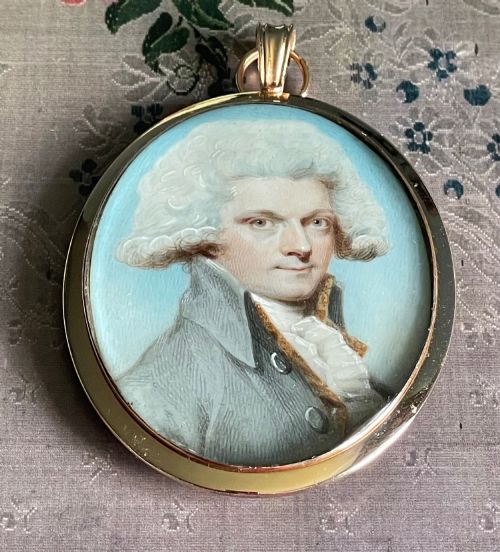
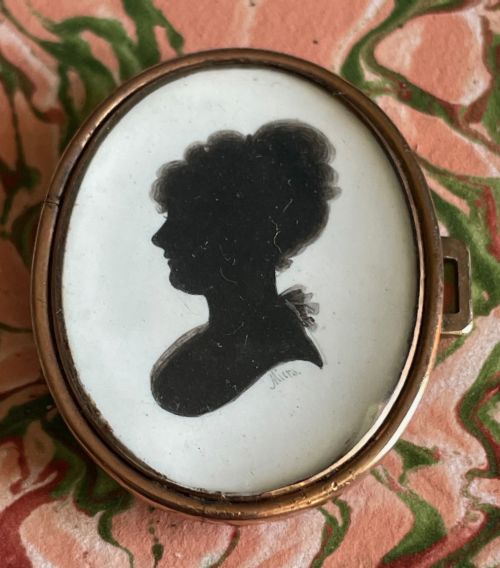
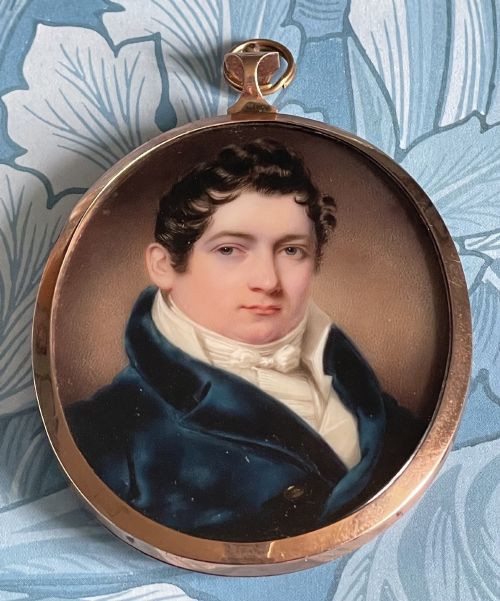
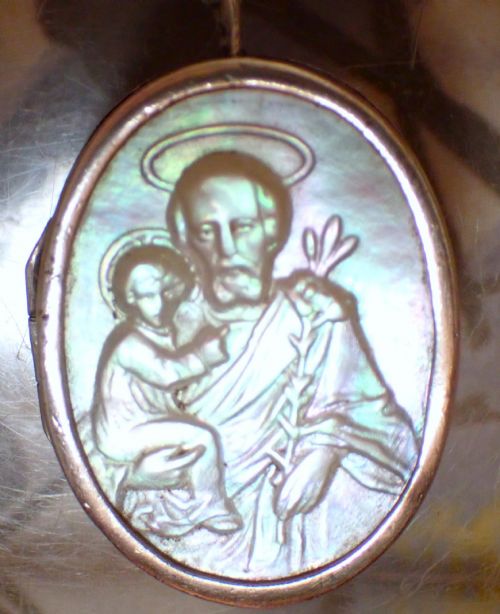
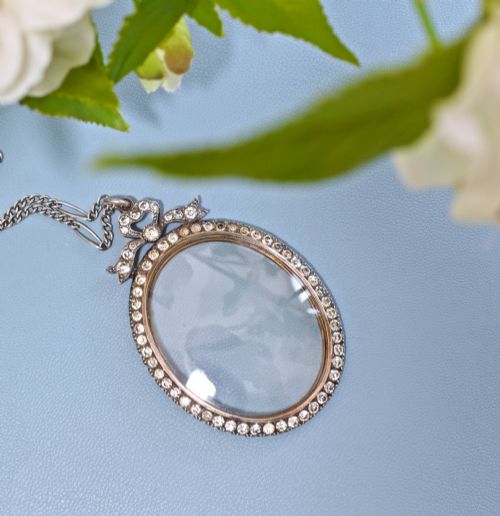
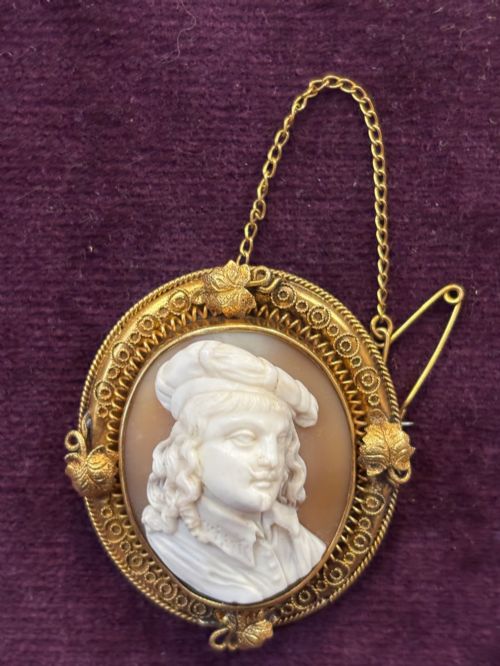
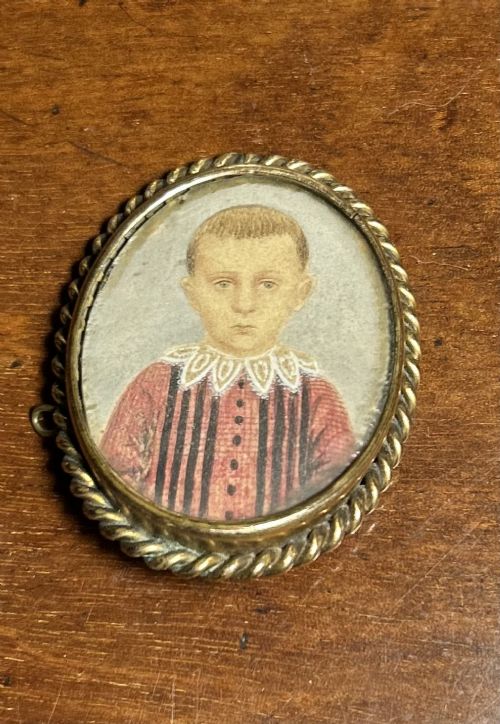
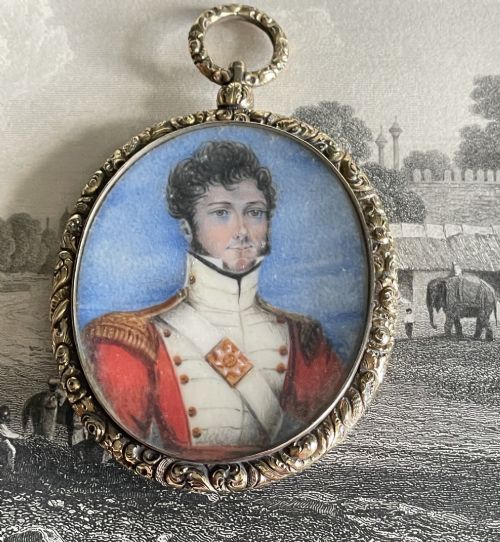
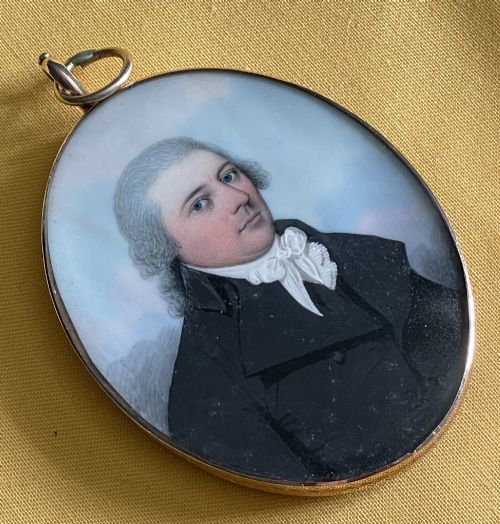
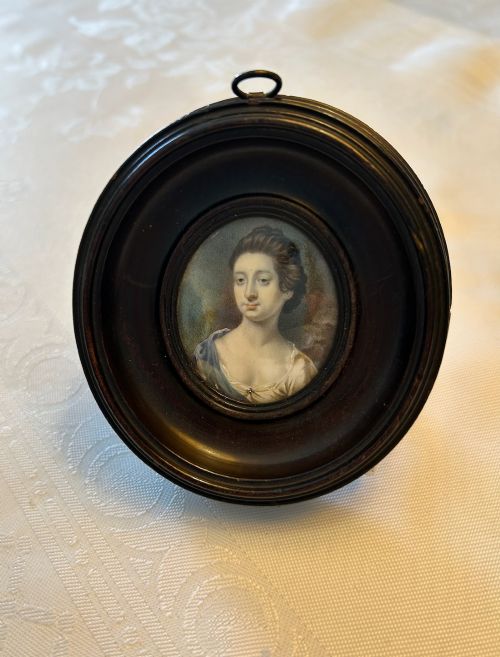
An antique portrait pendant combines personal miniature painting, silhouette work, or carved shell with precious metal framing designed to suspend from a neck chain or pin as a brooch.
The selections encountered here stretch across the eighteenth century through the Georgian, Victorian, and Edwardian eras, reflecting changing tastes in intimate remembrance jewellery.
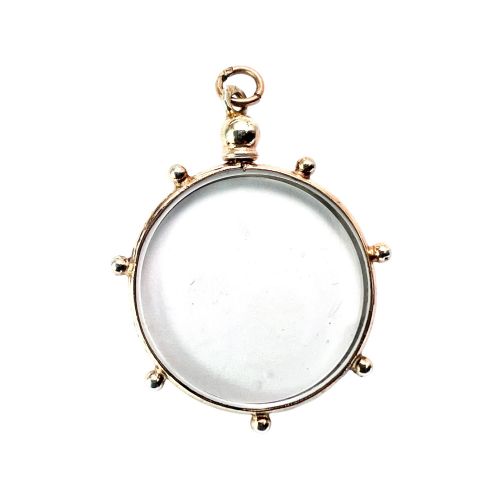
Many examples double as lockets with glazed compartments in the reverse, often housing braided hair or woven silk threads alongside the painted visage.
Materials and construction methods
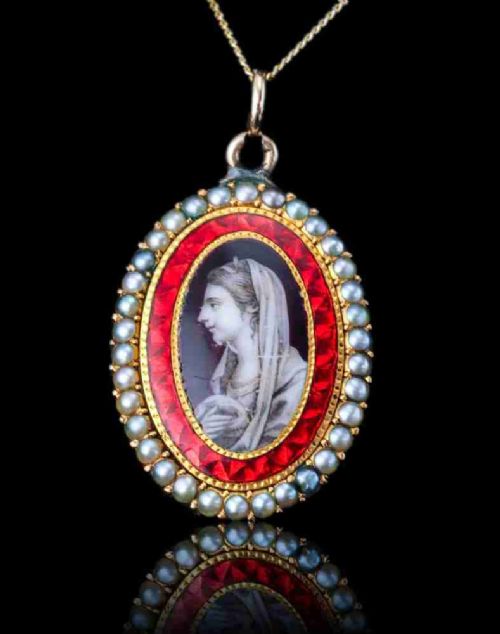
Makers rendered likenesses using delicate watercolour pigments on ivory or vellum, rich enamel fired onto copper or gold bases, and dark paper silhouettes mounted behind protective glass.
Carvers shaped relief profiles from Mediterranean shell or hardstone, setting these reliefs into yellow gold mounts of varying carats, sterling silver, or combinations of both metals.
Frames frequently incorporate fine wirework, seed pearls, or paste stones to border the central image, utilising secure bezel settings and hinged loops for suspension.
Antique Portrait Pendant Retail Price Guide 2026
Typical asking prices for portrait pendant among the pieces listed under this phrase on Sellingantiques today, from the lower quarter to the upper quarter. They describe what is for sale here now, not the wider market.
Some miniatures hide braided locks of hair behind the painted face, keeping a silent companion tucked right against the collarbone.
Judging execution and preservation
Quality rests primarily on the finesse of the brushwork or the crispness of the cameo carving, where superior pieces capture subtle facial expressions and realistic drapery folds.
The integrity of the original setting matters greatly, distinguishing untouched mounts with secure glass and intact backing materials from those altered or heavily repaired over the centuries.
Henry Bone·Charles Shirreff·John Miers·John C D Engleheart·Frederick Buck·William Wood·Charles Hayter·Christian Friedrich Zincke·William Naish·George Engleheart·James Ferguson
The Antique Portrait Pendant Glossary
- Portrait miniature
- A small, highly detailed painting executed on ivory, vellum, or card. These works required extraordinary brush control using fine-tipped sable hairs.
- Cameo
- A method of carving a relief image utilising layered materials such as shell or agate. The design stands proud of a contrasting background colour.
- Silhouette
- A solid, dark profile portrait cut from paper or painted directly onto glass or card. This style gained immense popularity during the Georgian period.
- Enamel
- Powdered glass fused to a metal substrate under high heat. It provided a durable, glossy surface that retained vibrant colour across generations.
- Locket
- A hinged pendant designed to open and conceal a keepsake inside. They frequently protected locks of hair or painted miniatures of absent loved ones.
Antique Portrait Pendant: Frequently Asked Questions
What is inside an antique portrait pendant?
These pieces generally contain a hand-painted likeness on ivory, vellum, or enamel, or a carved shell relief depicting a specific individual.
Many examples feature a reverse compartment containing woven human hair, initials formed in seed pearls, or fabric mementos dedicated to a departed or distant relative.
How do I wear an antique portrait pendant safely?
Suspend the piece from a suitably weighted gold or silver chain that matches the era and metal colour of the original mount. Ensure the jump rings and suspension loops are secure before wearing.
Protect the pendant from moisture, cosmetics, and perfumes, particularly because older painted surfaces and organic materials like ivory or shell react poorly to chemicals.
How can I tell a Georgian portrait pendant from a Victorian one?
Georgian examples often display softer watercolour painting styles on ivory with simple gold bezels, sometimes accompanied by mourning hairwork on the reverse.
Victorian pieces frequently feature heavier cast gold mounts, bolder shell cameos, or incorporation of pearls and diamonds reflecting industrial advancements in jewellery manufacturing.
Were these pendants painted as jewellery originally?
Many portrait miniatures were originally painted as standalone framed artworks or pocket tokens before being converted into jewellery mounts by later owners or jewellers.
Other pieces were commissioned specifically as wearable mourning tokens or betrothal gifts, constructed from the outset with suspension loops and locket backs.