




Antique Portrait on Silk
An antique portrait on silk brings delicate textiles and fine portraiture together in a single framed piece.
Antique Portrait on Silk
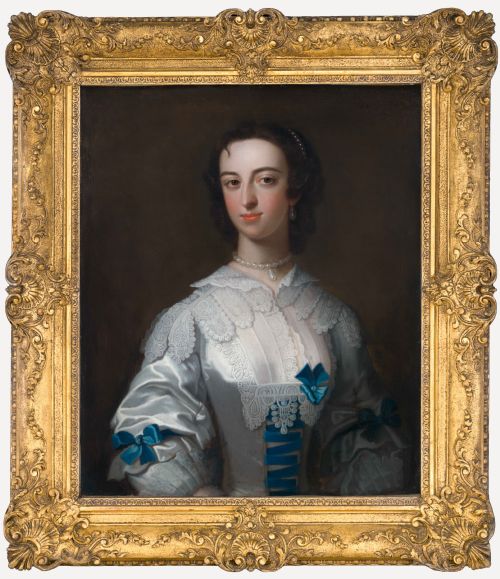
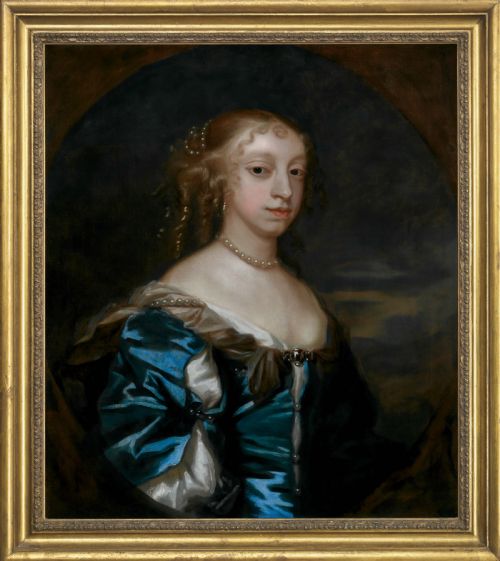
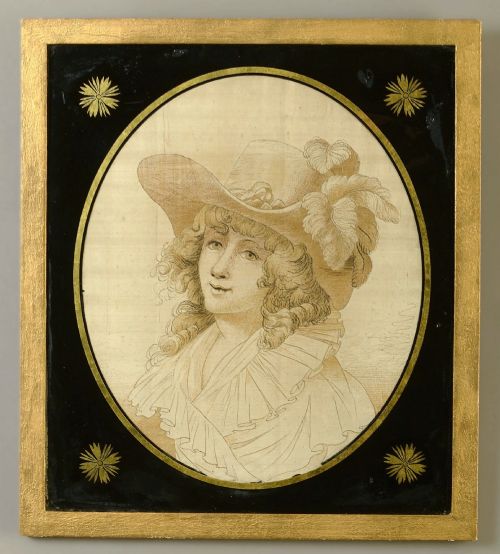
An antique portrait on silk captures historical figures and aristocratic subjects rendered directly onto fine fabric grounds. Buyers searching this phrase encounter English needlework pictures, woven textile panels, and Eastern scroll paintings spanning several centuries.
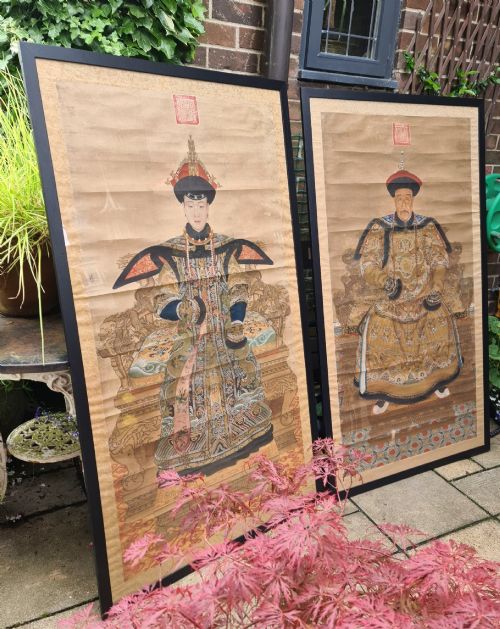
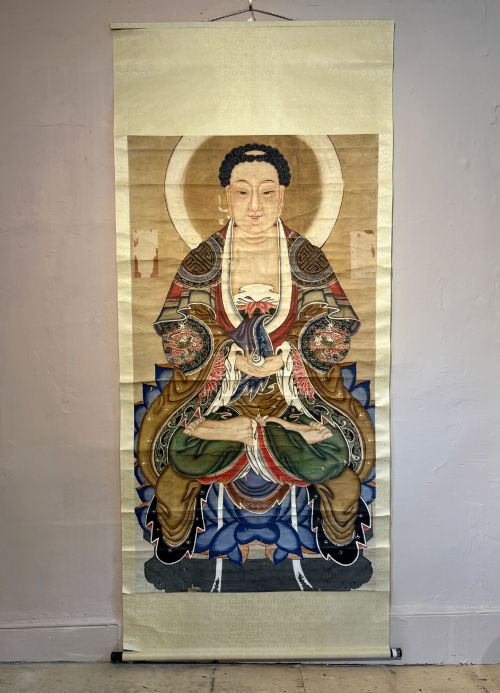
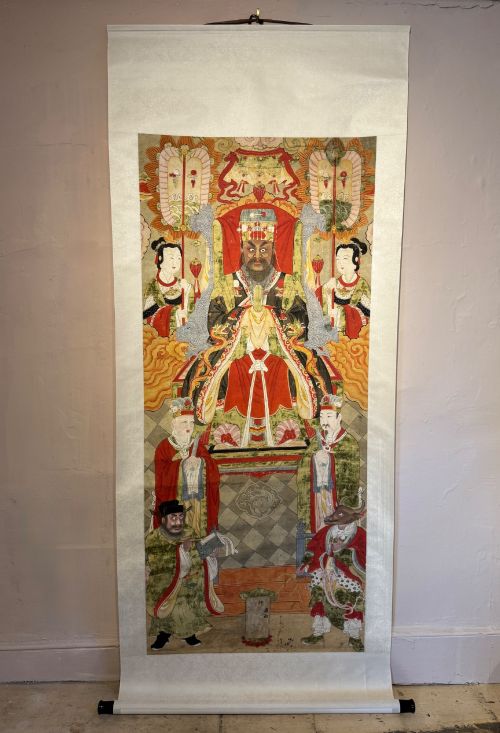
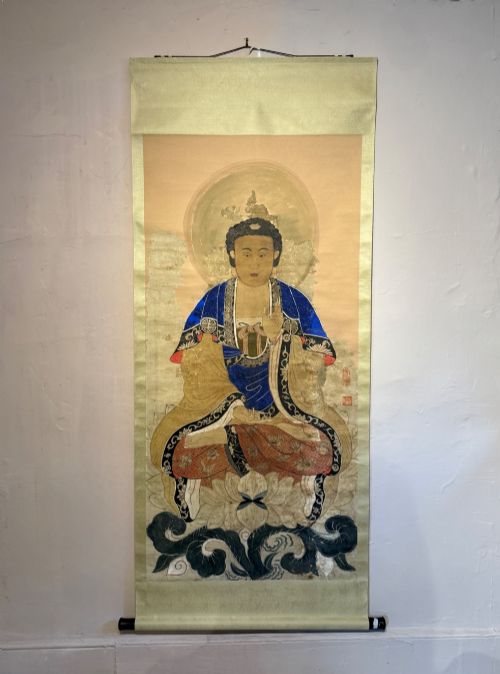
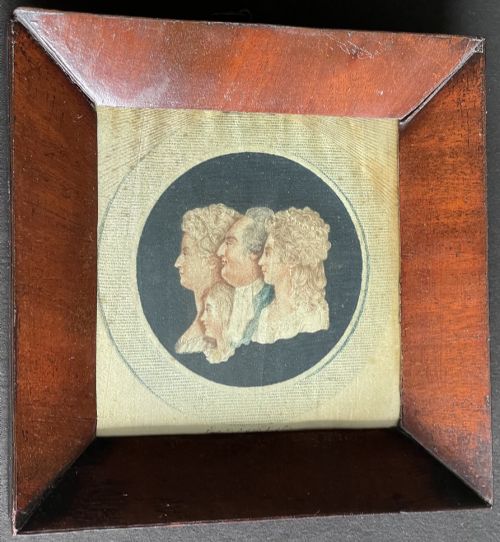
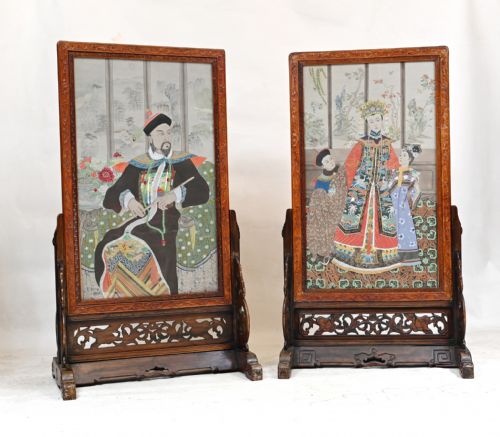
The selection ranges from seventeenth-century oil paintings on canvas depicting sitters in silk gowns to eighteenth-century English embroideries and nineteenth-century Chinese ancestor portraits. Framed needleworks and Japanese silk paintings also appear alongside printed commemorative textiles.
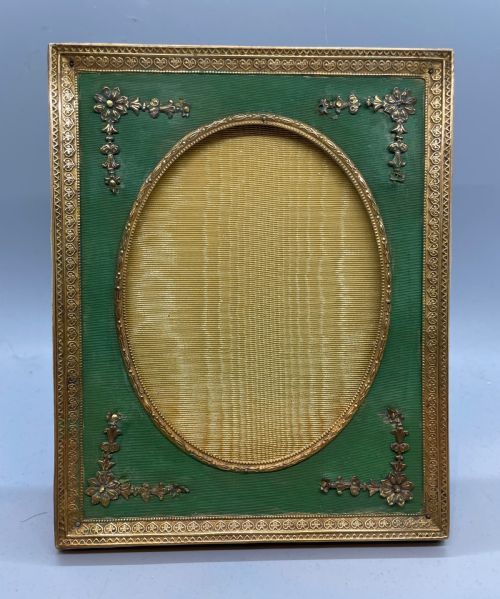
Most examples arrive in period frames of wood, giltwood, or ormolu, often retaining their original glass and silk brocade mounts.
How they were made
Makers utilised fine woven silk as a canvas or embroidery ground, applying watercolours, oils, or coloured threads directly to the delicate substrate. Skilled artisans combined needlework stitches with painted facial details to achieve realistic depth in hair and garments.
Frames employ traditional woodworking techniques, incorporating gold leaf, water gilding, and rosewood to protect the fragile fabric within. Glazing helps shield the textile or painted silk from dust and atmospheric degradation.
Antique Portrait on Silk Retail Price Guide 2026
Typical asking prices for portrait on silk among the pieces listed under this phrase on Sellingantiques today, from the lower quarter to the upper quarter. They describe what is for sale here now, not the wider market.
One determined oyster seller found eternal employment immortalised in a charming Georgian silk embroidery.
What varies in quality
The precision of the needlework or brushwork dictates the refinement of the piece, separating standard decorative items from masterworks. Finer silk grounds and sophisticated pigment or thread selection produce greater realism in the sitter's expression and attire.
The originality and preservation of the frame and mount greatly influence the overall standing of the work. Pieces retaining their contemporary giltwood or rosewood surrounds command higher regard among collectors.
Henry Pickering·Thomas Murray·Sir Peter Lely·Bartholomeus Van Burgindis·Frank Giggs
The Antique Portrait on Silk Glossary
- Silkwork
- Embroidery executed on a silk fabric ground, often using coloured and metallic threads to depict figures and landscapes. These pictorial embroideries were popular decorative works in the Georgian period.
- Silk Brocade
- A rich, shuttle-woven fabric featuring raised patterns created with supplementary weft threads. Such textiles frequently serve as decorative mounts or backgrounds within antique frames.
- Giltwood
- Wood carved and covered with a thin layer of gold leaf or gesso and gold paint. This finish appears frequently on the ornate frames housing antique portraits.
- Woodblock Print
- An image created by carving a design into a block of wood, applying ink, and pressing it onto a surface. Japanese examples often feature detailed borders and silk brocade mounts.
- Ancestor Portrait
- A formal painting or textile work created to honour family forebears, particularly within Chinese artistic traditions. These works frequently depict figures in formal robes seated centrally.
Antique Portrait on Silk: Frequently Asked Questions
How do I care for an antique portrait on silk?
Keep the piece away from direct sunlight and high humidity to prevent the textile from fading or weakening over time.
Display the artwork in a stable environment behind its original glass to protect the delicate fabric surface from atmospheric dust.
What periods do these silk portraits come from?
The pieces span from the seventeenth century through the Georgian and Victorian eras up to the early twentieth century.
Eastern works often align with Qing Dynasty or Meiji period traditions, while British examples reflect seventeenth and eighteenth-century portraiture styles.
Do the frames come with the pieces?
Most works are housed in their original or period frames made from wood, giltwood, or ormolu.
Several listings also incorporate silk brocade mounts that complement the central artwork.