
Antique Portrait Oil Artwork
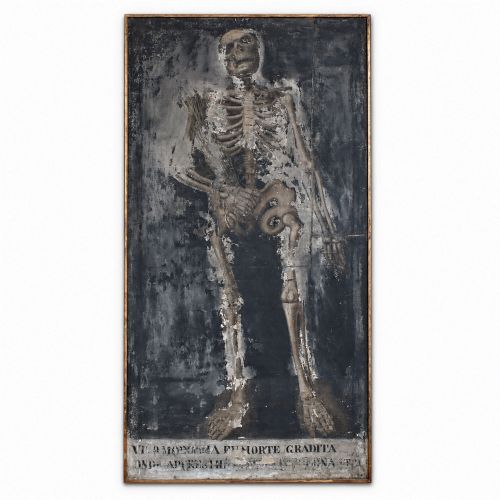
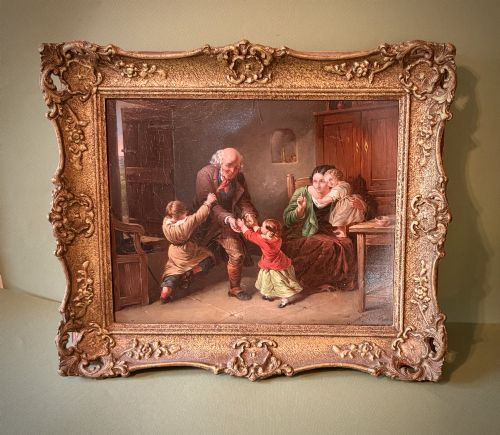
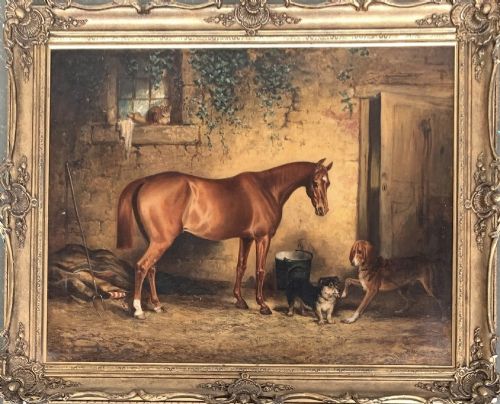
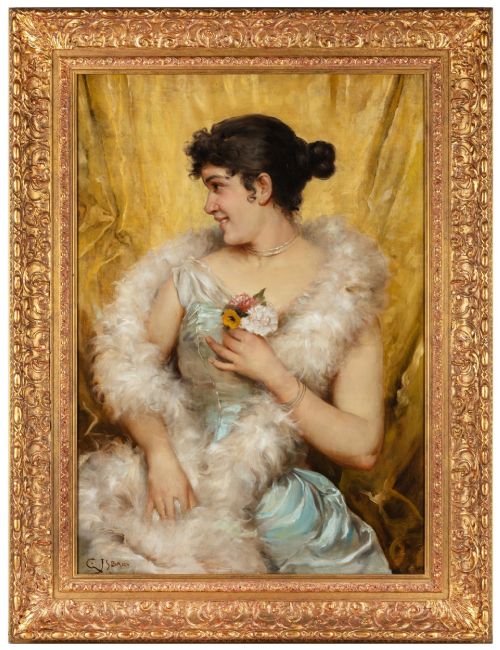
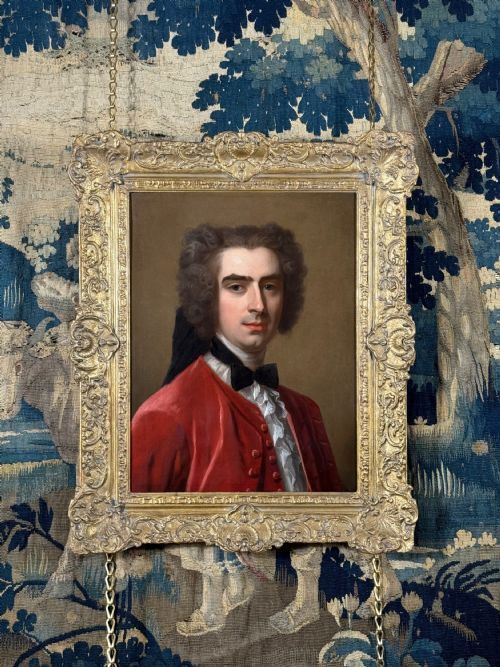
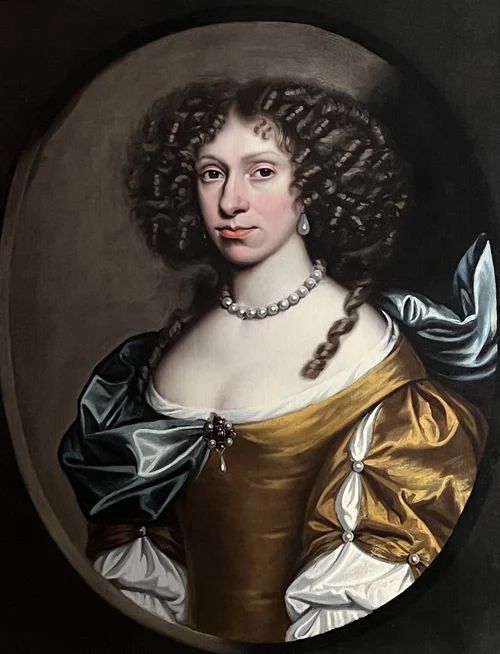
An antique portrait oil artwork captures likeness and character across centuries, bringing aristocratic subjects and quiet country sitters into modern rooms through layered pigment.
Antique Portrait Oil Artwork
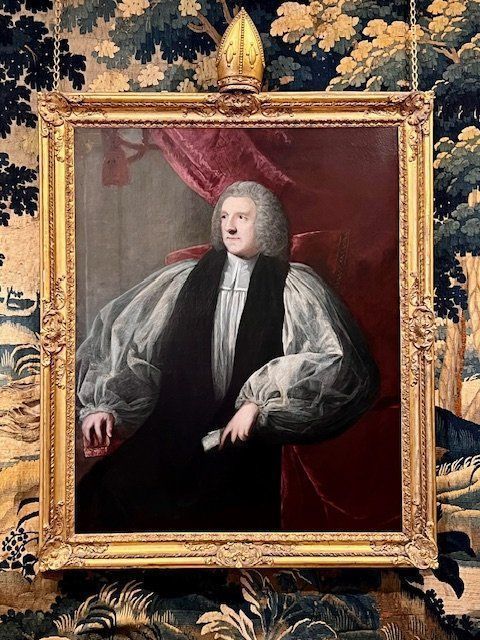
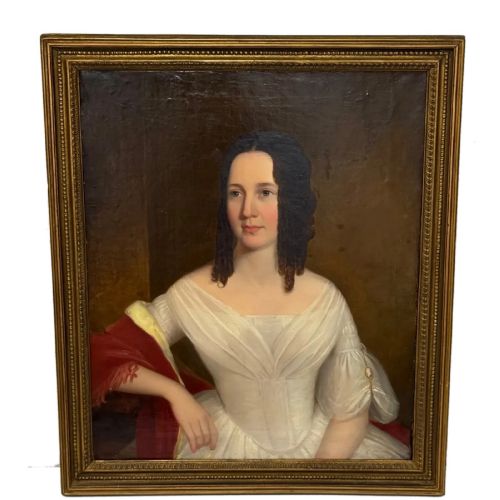
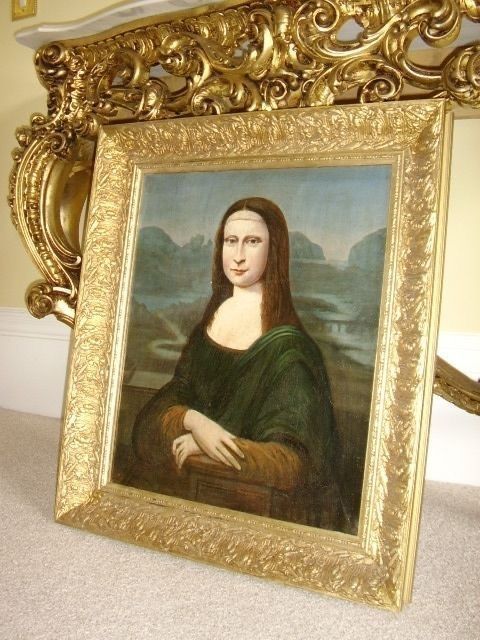
An antique portrait oil artwork represents individuals and groups painted from life or copied after celebrated masters during earlier centuries. Buyers searching this phrase encounter formal likenesses of nobility alongside intimate studies of private citizens.
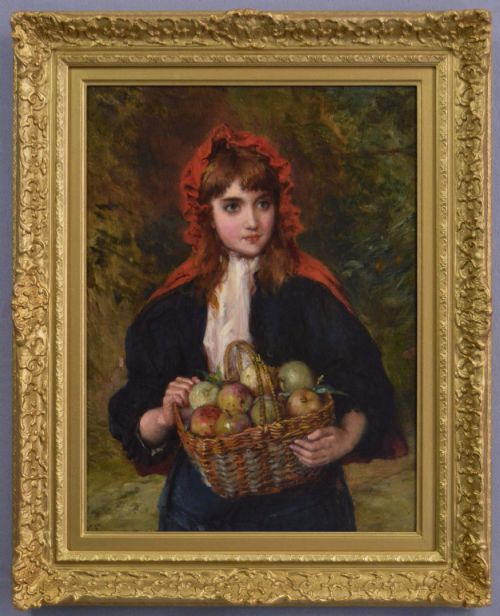
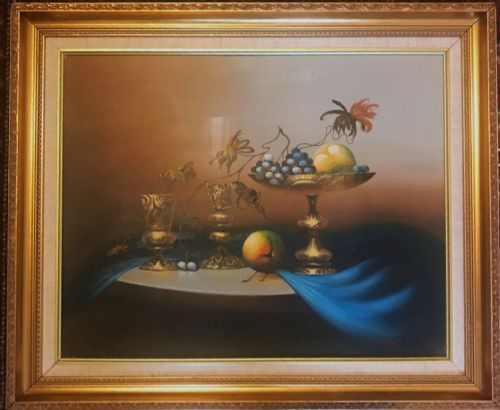
The selections span distinct periods including the seventeenth, eighteenth, and nineteenth centuries, reflecting shifts in portraiture from baroque solemnity to Victorian realism. Canvases and panels preserve the exact pigment and touch of historical painters.
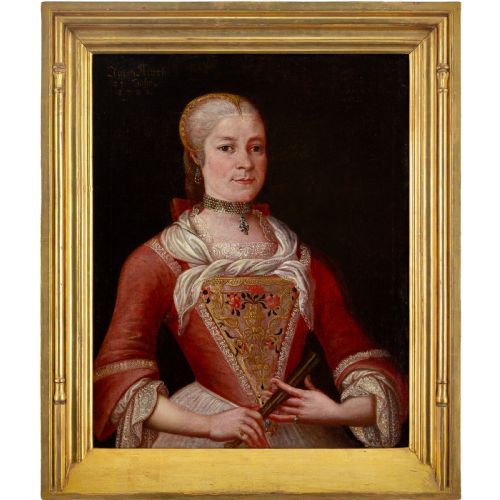
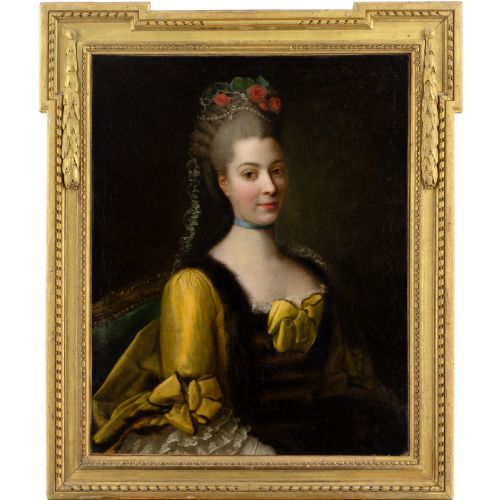
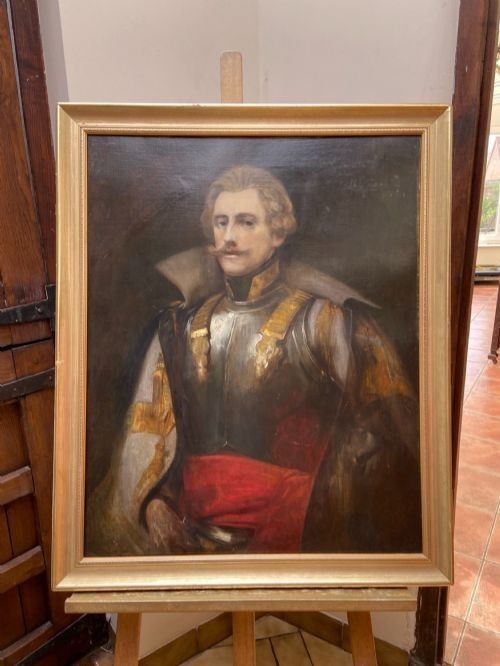
Subjects range from named historical figures in elaborate costume to anonymous sitters captured in quiet domestic moments. These pieces serve as primary historical documents and decorative centerpieces alike.
Materials and Techniques
Artists applied oil paint composed of ground pigments suspended in drying oils directly onto woven canvas or prepared wooden panels. This slow-drying medium allowed painters to blend tones subtly and build rich, luminous surfaces over weeks.
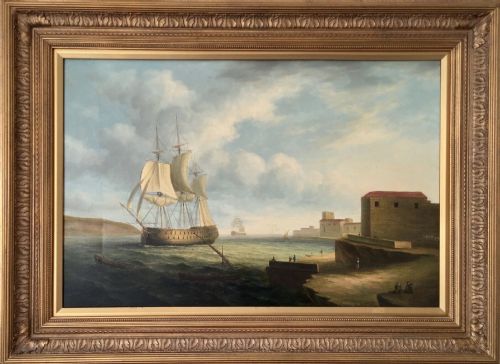
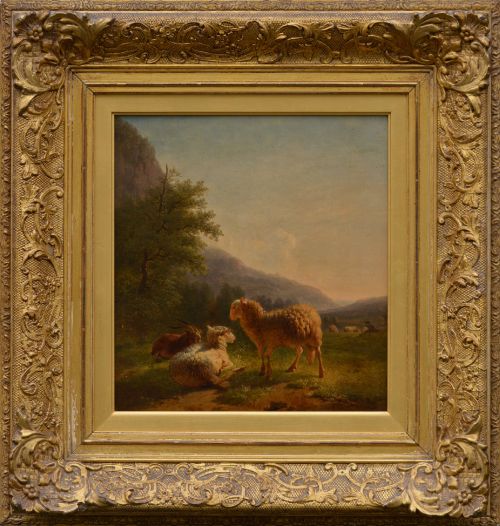
Many historical works retain their original heavy timber frames finished with gold leaf and giltwood mouldings. These surrounds provide structural support while framing the pictorial space with period ornament.
Listings feature seventeenth-century oils on canvas alongside nineteenth-century realists and Edwardian monumental portraits.
Distinctions in Quality
The standard of execution depends heavily on the anatomical precision of the drawing and the sensitivity with which the painter renders light across flesh and fabric. Master hands capture individual psychology and texture with economy, whereas lesser workshop productions rely on rigid formulas for hands and drapery.
Preservation of the original paint layer determines the visual integrity of the canvas. Intact brushwork without heavy modern overpainting retains the direct intention of the historical artist.
Sir Joshua Reynolds·Sir Peter Lely·Sir Godfrey Kneller·Joseph Clover·Anthony Van Dyck
The Antique Portrait Oil Artwork Glossary
- Oil on Canvas
- A painting medium where oil paint is applied to a stretched woven fabric support, which became the standard surface for European portraiture from the seventeenth century onward.
- Giltwood
- Wood carved and coated with thin gold leaf or gold powder, commonly used to construct ornate historical picture frames.
- Old Master
- A term applied to European painters of high skill working before about eighteen hundred, whose techniques formed the foundation of academic portraiture.
- Panel Painting
- A rigid support made from wood rather than fabric, frequently encountered in earlier seventeenth-century portraits before canvas predominated.
- Attributed To
- A designation used when a work shows the distinct stylistic hand of a named master without bearing a documented signature.
Antique Portrait Oil Artwork: Frequently Asked Questions
How do I date an antique portrait?
Dating relies primarily on the style of costume, hair, and lace worn by the sitter, combined with the stretcher construction and canvas type.
Secondary clues include the framing method and any inscriptions or labels preserved on the reverse of the stretcher bars.
What is the difference between an original and a copy?
An original portrait was painted directly from a living sitter by the artist or their immediate studio.
A copy or after-work was executed later by another hand to replicate a famous historical image for a private collection.
How should I hang an oil portrait?
Hang paintings away from direct sunlight and steady heat sources to prevent the canvas and wooden frame from warping or drying out.
Ensure the wall fixings match the substantial weight of the heavy timber and giltwood frames common to these works.
Why are some sitters unnamed?
Many historical sitters lost their recorded identities over centuries through changes in ownership and unrecorded estate dispersals.
Family portraits often became detached from their provenance when descendants sold ancestral homes and contents.