

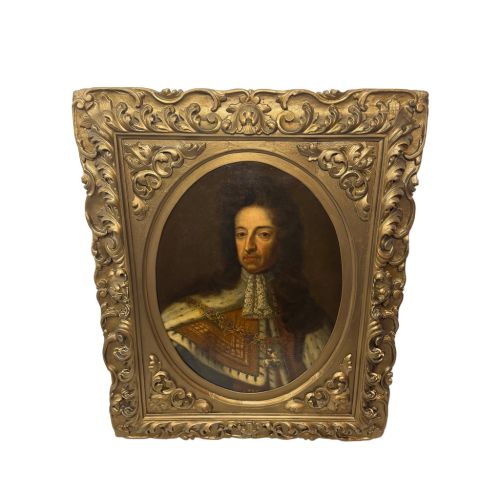


Antique Portrait of Monarch
An antique portrait of monarch captures the sovereign likeness in oil, print or bronze, bringing centuries of royal lineage directly to your wall.
Antique Portrait of Monarch
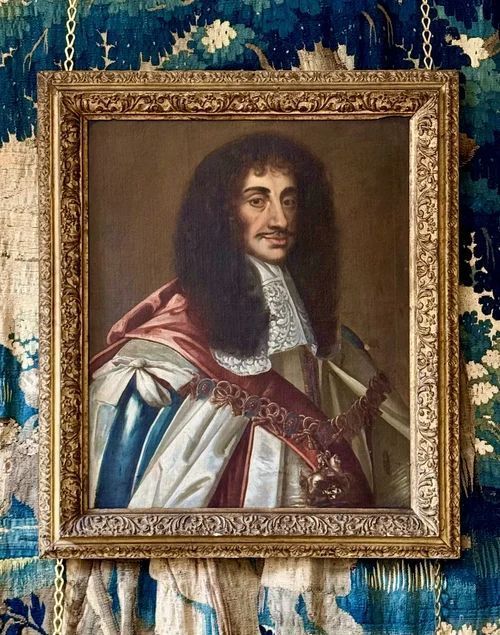
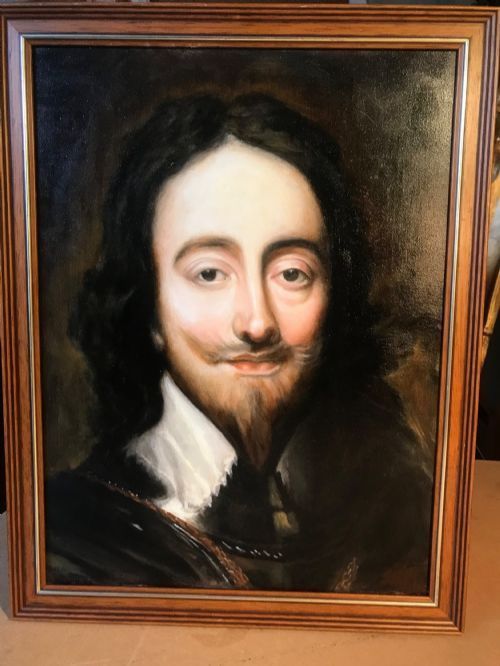
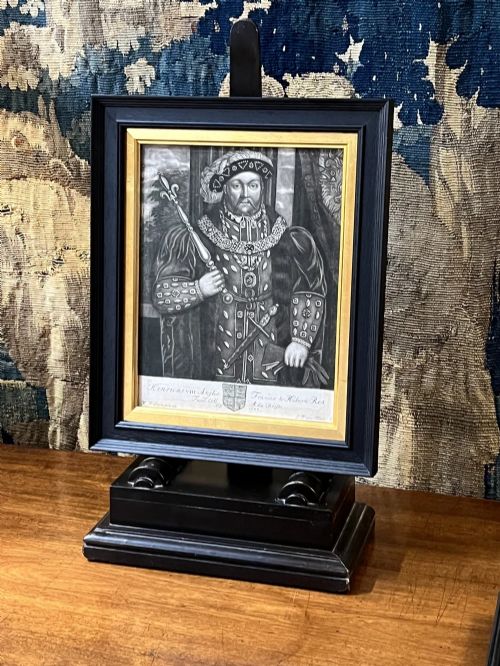
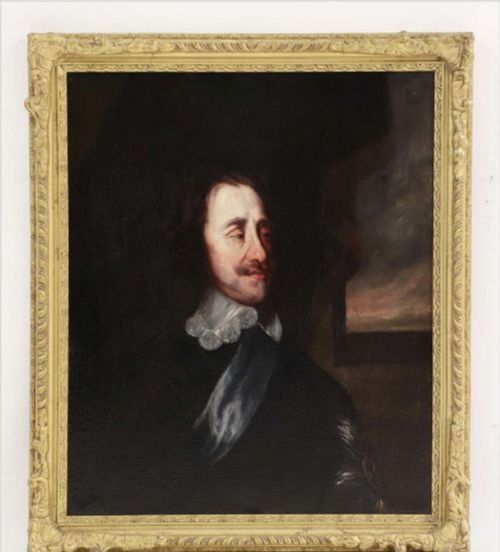
An antique portrait of monarch brings royal likenesses from the 17th Century to the 20th Century into domestic spaces, capturing sovereigns in oil, print and bronze. You will frequently encounter depictions of Stuart and Tudor monarchs such as King Charles I and King Henry VIII, alongside later Georgian and Victorian rulers.
The selection ranges from traditional oil paintings on canvas and reverse glass prints to framed prints and sculptural forms. Many pieces reference earlier masters through contemporary copies or later revival styles spanning Baroque to Victorian periods.
Subjects often wear royal insignia such as the Order of the Garter or armour, identifying their station within British history. These works serve as both historical records and decorative focal points rooted in distinct artistic movements.
How they were made
Makers utilised oil paint applied to canvas, often supported by wood stretchers and housed within giltwood or oak frames. Printmakers employed mezzotint techniques on paper and executed reverse glass prints to achieve fine tonal detail.
Sculptural representations were cast in bronze, capturing intricate surface textures and patination. Gilding with gold leaf frequently embellished the frames, accentuating the regal subject matter within.
Subjects documented on this page include Tudor, Stuart, Georgian and Victorian sovereigns alongside British and Flemish school painters.
What varies in quality
The execution of the brushwork and the precision of the likeness distinguish finer academic interpretations from simpler provincial works. Masterly handling of drapery, facial expression and the rendering of royal insignia elevate the visual impact of painted canvases.
The integrity of the original framing, such as stepped oak or carved giltwood surrounds with presentation plaques, adds substantial context and physical harmony to the artwork. The depth of the pigment and the preservation of the canvas or glass surface dictate the overall presence of the piece.
Sir Anthony van Dyck·Sir Peter Lely·John Faber Snr·Hans Holbein the Younger·Kershaw Schofield·Alexander Melville
The Antique Portrait of Monarch Glossary
- Mezzotint
- A printmaking process of the intaglio family where the plate is roughened to produce dark tones and scraped to produce light areas. This method allowed tonal gradation rather than relying solely on lines.
- Reverse glass print
- An image applied directly to the back of a glass pane so that the final picture is viewed through the front. These delicate works required precise reverse painting and printing techniques.
- Giltwood
- Wood, typically carved timber, coated with a thin layer of gold leaf or metallic powder. It provided opulent framing for important royal portraits.
- Order of the Garter
- An ancient order of chivalry in the United Kingdom, often indicated in royal portraits by a blue sash or badge. Its inclusion signified supreme monarchical authority and status.
Antique Portrait of Monarch: Frequently Asked Questions
What is a reverse glass print portrait?
A reverse glass print is an image transferred or painted onto the rear surface of a glass panel so that it is viewed through the front. This technique protected the delicate pigments from dust and fading while producing a glossy finish.
These prints were popular for decorative domestic display during the Georgian era. Because the image sits behind glass, cleaning requires careful handling to avoid disturbing the margins or the backing.
How should I care for an oil on canvas royal portrait?
Keep painted canvases away from direct sunlight, high humidity and dramatic temperature fluctuations that cause the canvas to slacken or the paint to crack. Dust the surface gently with a soft, dry brush without applying pressure to the paint layer.
Ensure the frame remains structurally sound to support the weight of the canvas. Professional conservation should be sought if the paint layer shows signs of lifting or if the canvas requires re-tensioning.
Are these portraits original 17th century works?
The listings include both 17th Century originals and later interpretations, such as 19th Century revival pieces and later copies made after masters like Sir Anthony van Dyck or Sir Peter Lely. Examining the canvas weave, stretcher construction and pigment type helps establish the actual age of the object.
Many works from the period are studio copies or later commemorative pieces rather than primary life sittings. Documentation, signatures and framing details assist in dating each individual painting accurately.