

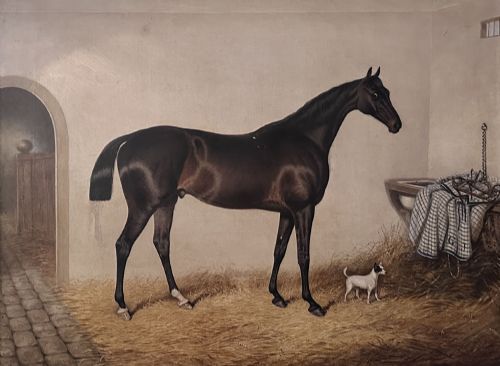


Antique Portrait of Hunter
An antique portrait of hunter captures the distinct character of valued equines and sporting gentlemen across Georgian and Victorian eras.
Antique Portrait of Hunter
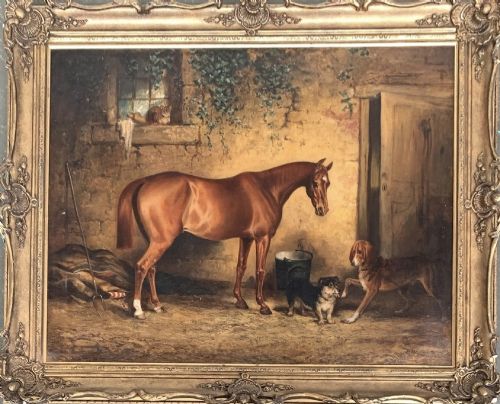
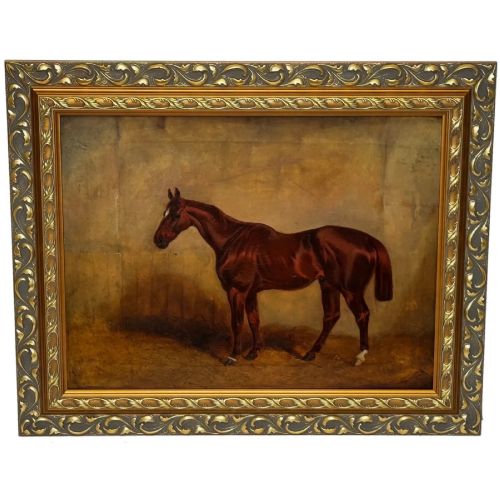
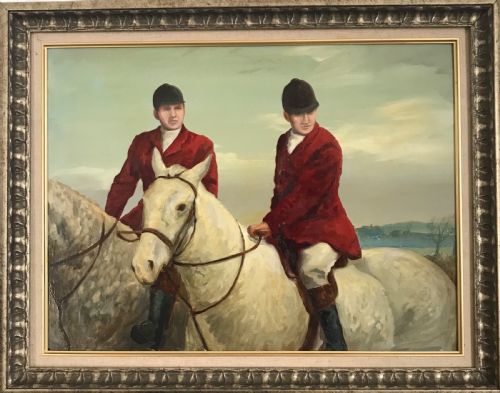
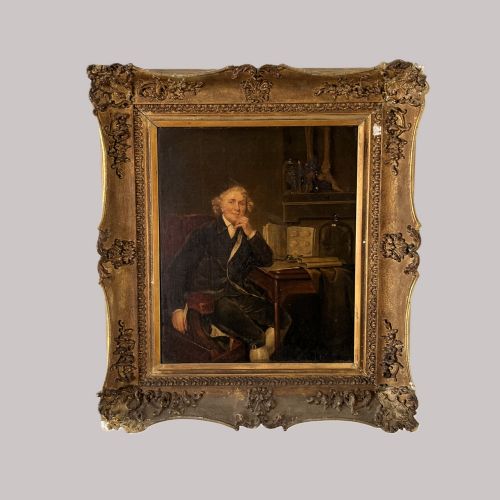
An antique portrait of hunter brings together equine subjects and sporting figures rendered across the eighteenth, nineteenth, and early twentieth centuries. Buyers encounter works ranging from straightforward oil on canvas horse studies to detailed depictions featuring stable hands or gentlemen with firearms.
The prevailing examples on this page reflect the Victorian and Georgian periods, showcasing specific animals like bay hunters and grey roans often positioned in stables or open landscapes. These paintings and watercolours function as historical records of equestrian culture and regional hunts.
Subgenres span from pure equine fine art to historical genre scenes involving tavern interiors and field masters. Each piece demonstrates the distinct artistic conventions of nineteenth-century British sporting art and equestrian traditions.
Materials and construction methods
Artists relied primarily on oil paint applied to canvas, capturing the sheen of a horse's coat and the textures of stable settings through layered brushwork. Watercolour on paper and reverse glass painted prints also appear among the listed works, offering different visual depths.
Frames play an integral role in the physical structure of these pieces, frequently utilising wood and giltwood to complement the composition. The physical support ranges from stretched canvas and heavy wooden panels to delicate glass surfaces secured within period mouldings.
Antique Portrait of Hunter Retail Price Guide 2026
Typical asking prices for portrait of hunter among the pieces listed under this phrase on Sellingantiques today, from the lower quarter to the upper quarter. They describe what is for sale here now, not the wider market.
Period styles represented include Georgian, Victorian, Edwardian, and nineteenth-century sporting art.
Evaluating quality and execution
The distinction between average and exceptional works rests on the artist's command of equine anatomy, light, and individual expression. Superior paintings reveal precise musculature and convincing textures, whereas lesser examples rely on formulaic postures and flat backgrounds.
Provenance and attribution significantly influence the standing of a piece within the field. Works bearing clear signatures from established sporting artists or originating from documented collections command greater recognition than anonymous studio productions.
Henry Barraud·Benjamin Cam Norton·Edwin Frederic Holt·Alfred Moginie Bryant·Alfred Grenfell Haigh·Abraham Cooper·Charles Bilger Spalding·Ludolf de Jongh·Adolphe Alexandre Lesrel·James Barenger·Benjamin Marshall·Robert Richard Scanlan·Edward Corbet·Thomas Walker Bretland
The Antique Portrait of Hunter Glossary
- Bay
- A horse coat colour characterised by a reddish-brown body with a black mane, tail, and lower legs. This shade appears frequently across nineteenth-century equine art.
- Giltwood
- Wood that has been coated with gold leaf or a gold-coloured finish. This material is standard for framing period sporting art.
- Genre painting
- A category of artwork depicting scenes from everyday life, including historical sporting pursuits and tavern interiors. These works emphasise human and animal interaction.
- Reverse glass painting
- An artistic technique where the image is painted directly onto the back of a piece of glass and viewed from the front. This method yields a distinct glossy surface.
Antique Portrait of Hunter: Frequently Asked Questions
What is an antique portrait of hunter?
These works are historical paintings and prints depicting either prized horses bred for hunting or the human figures involved in the sport. They serve as visual documents of equestrian life spanning the Georgian and Victorian periods.
Subjects range from solitary animal studies in stables to complex compositions featuring riders, grooms, and hounds in open landscapes.
How do I date an antique portrait of hunter?
Dating relies on stylistic clues, framing materials, and documentation provided by signatures or inscriptions. Victorian and Georgian pieces often display specific clothing styles, tack designs, and painting techniques characteristic of their decade.
Physical examinations of the canvas, stretcher frames, and backing boards offer further confirmation of the period of creation.
Where should I hang an antique portrait of hunter?
These works suit traditional reception rooms, studies, and hallways where their rich tones and historical subject matter complement period architecture. Proper placement avoids direct sunlight to protect vulnerable oil paint and watercolours from fading.
Pairing the artwork with complementary wood furnishings enhances the traditional aesthetic of the display space.
Are these paintings signed by the artist?
Many works feature artist signatures, monograms, or period inscriptions on the canvas, stretcher, or frame. Attributions to specific painters are often supported by archival records or stylistic comparisons.
Unsigned works still offer significant historical value based on their execution, subject matter, and materials.