


Antique Porcelain Ware
When you handle antique porcelain ware, you hold centuries of international kiln craft in your hands, from Japanese Imari dishes to European Parian figures.
Antique Porcelain Ware
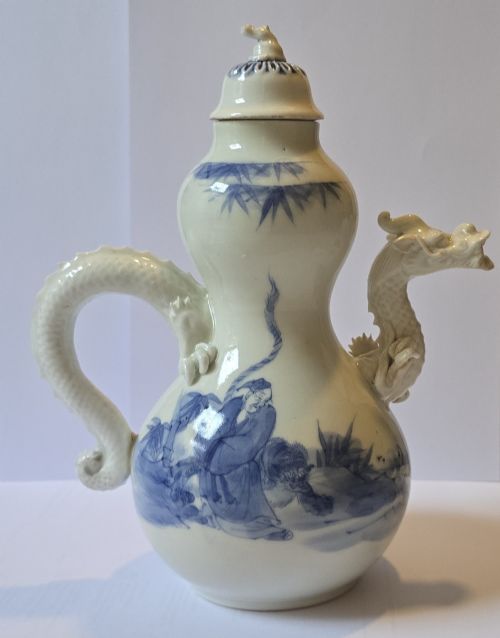
Antique porcelain ware encompasses a diverse range of decorative and functional objects produced across Asian and European kilns. You will meet domestic vessels, sculptural figures, and display chargers shaped to serve specific aesthetic and ritual functions.
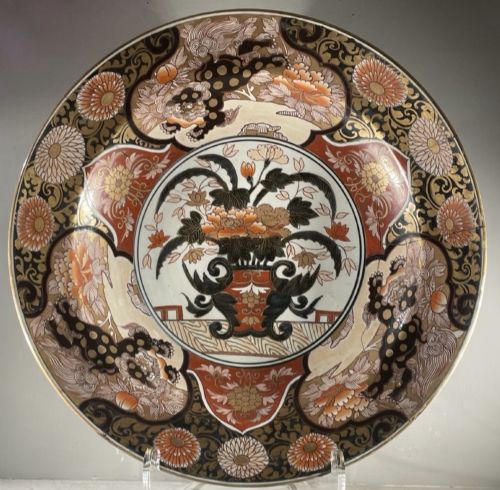
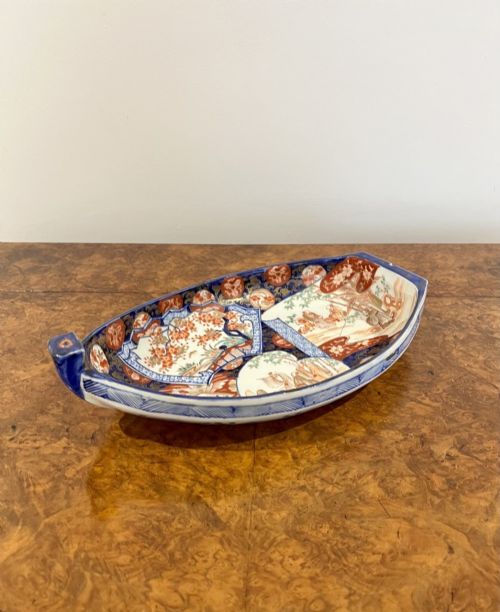
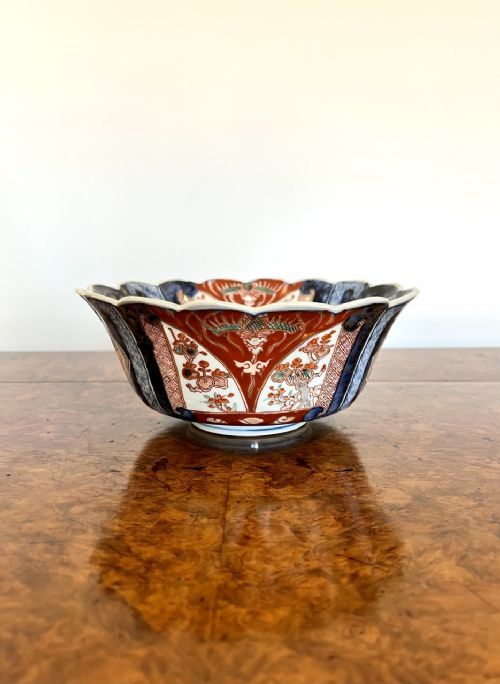
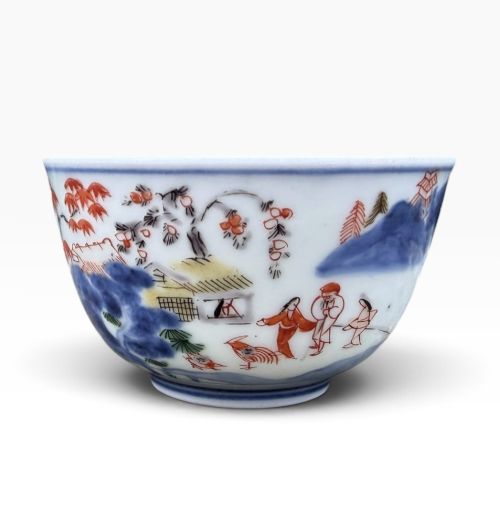
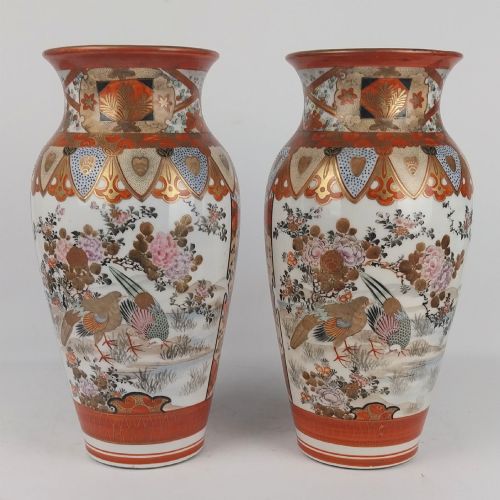
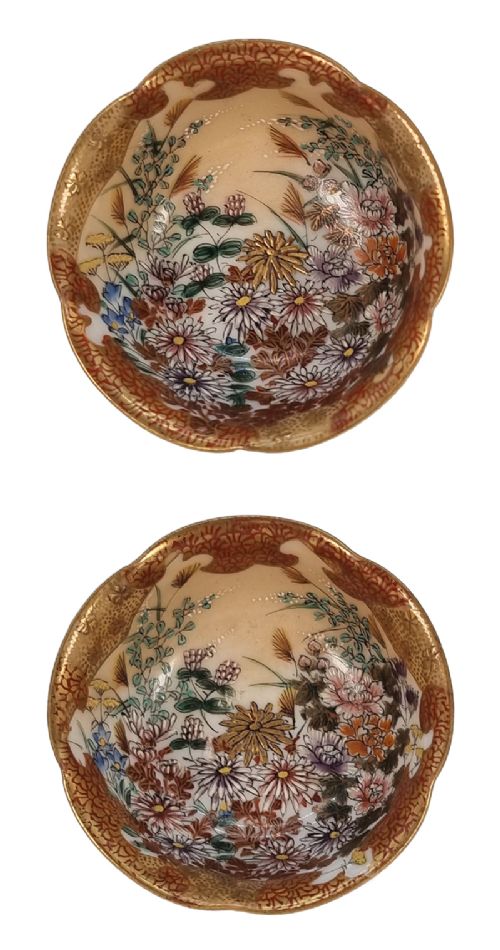
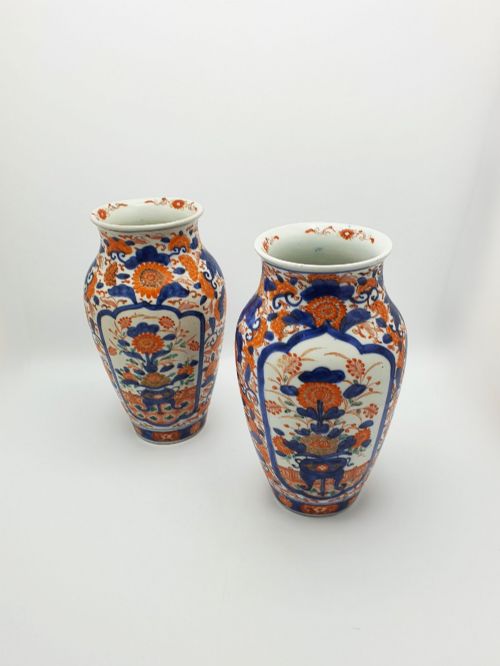
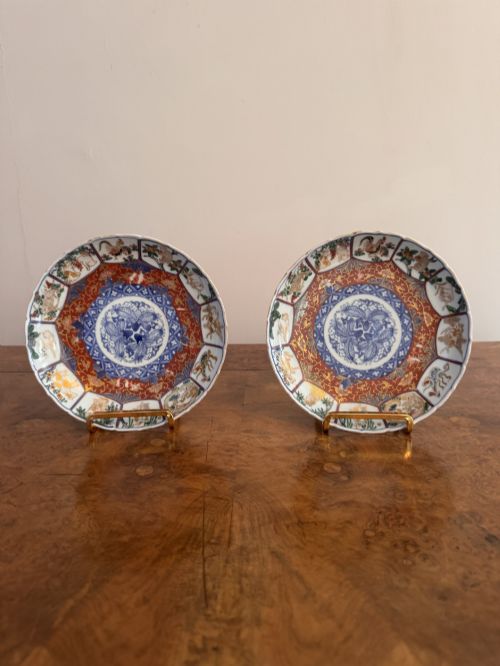
The selection on this page leans heavily toward Japanese Imari and Kutani pieces from the Meiji period, alongside Chinese Kraak and Arita wares. Alongside these Asian exports sit European works including French Old Paris figures, English Parian busts, and Staffordshire wares.
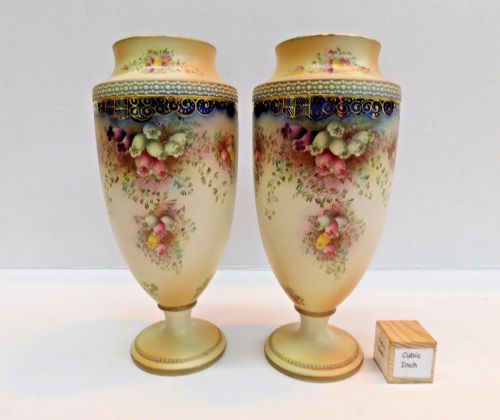
Forms span from large jardinieres and temple censers to delicate coffee cups, wall brackets, and botanical vases. Each object reflects the prevailing tastes and export demands of its respective century.
How they were made
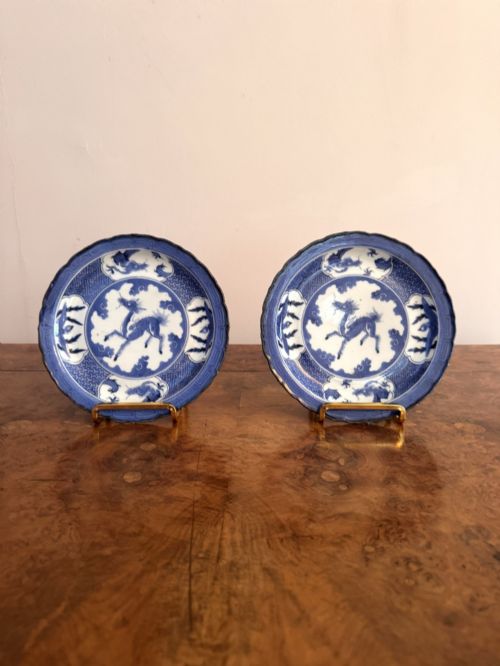
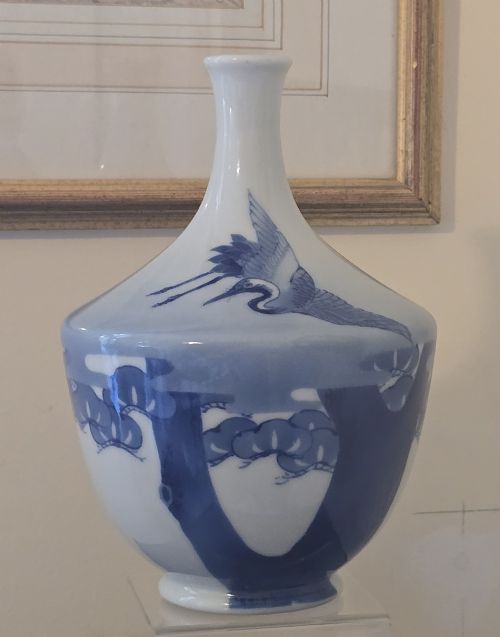
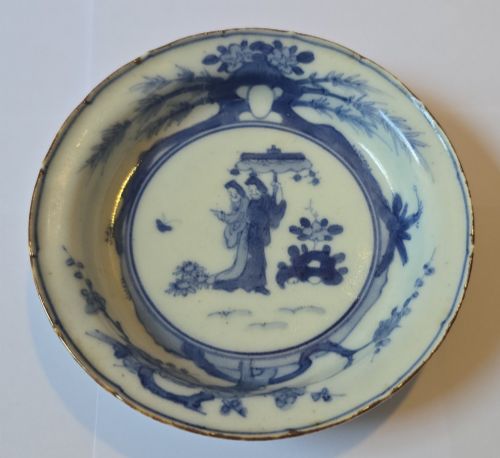
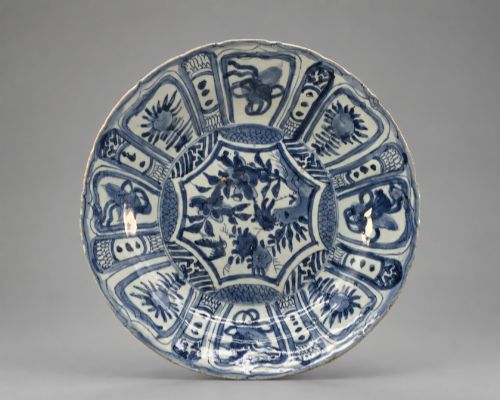
Potters built these items using refined clays and hard-paste porcelain formulas fired at high temperatures to achieve a dense, vitrified body. Cobalt glaze provided the deep blue underglaze decoration seen on many traditional chargers and vessels, while overglaze enamels and gold leaf added rich polychrome detail.
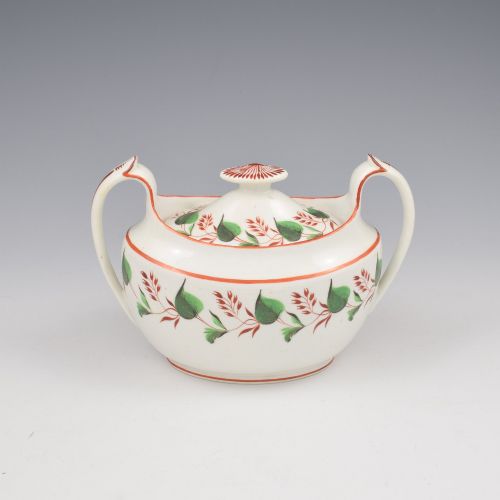
Moulders cast white Parian ware to imitate carved marble for portrait busts and classical figures, relying on unglazed biscuit porcelain for a matte finish. Artisans applied hand-painted iron red, gilding, and crackle glazes to complete the surface decoration before final kiln firings.
Antique Porcelain Ware Retail Price Guide 2026
Typical asking prices for porcelain ware among the pieces listed under this phrase on Sellingantiques today, from the lower quarter to the upper quarter. They describe what is for sale here now, not the wider market.
Listings span periods from the 17th century through the Edwardian era, featuring materials such as Parian porcelain, gold leaf, and cobalt glaze.
What varies in quality
Quality rests in the crispness of the modelled form and the precision of the hand-painted brushwork. Superior items display clean potting without kiln warping, alongside finely rendered facial expressions on figures and deeply saturated cobalt or enamel pigments.
The handling of gold leaf and overglaze highlights distinguishes standard production from exceptional pieces. On sculptural works, delicate undercutting and smooth finishing separate master-modelled groups from ordinary casts.
Richard Chaffers·Minton·Copeland·Wedgwood
The Antique Porcelain Ware Glossary
- Imari
- A style of Japanese export porcelain decorated in underglaze blue, iron red, and gold. It originated in Arita and became popular across European interiors.
- Parian ware
- A type of fine-grained biscuit porcelain developed in Britain to imitate carved marble. It is frequently used for portrait busts and literary figures.
- Kraak porcelain
- Chinese export porcelain produced during the late Ming dynasty, typically featuring panelled borders and central aquatic or avian motifs. These dishes often arrived in Europe via captured Portuguese merchant ships.
- Kutani
- Japanese coloured porcelain originating from Ishikawa prefecture, known for bold overglaze palettes. Iron red and heavy gilding dominate the aesthetic.
- Censer
- A vessel designed for burning incense, often supported on three feet with a pierced lid. They appear in bronze-imitating archaistic ceramic forms.
Antique Porcelain Ware: Frequently Asked Questions
What is the difference between Imari and Kutani?
Imari ware relies on a distinct palette of underglaze cobalt blue combined with iron red, green, and heavy gold leaf. The designs usually feature complex floral and brocade patterns across scalloped plates and bowls.
Kutani porcelain typically showcases bolder, more pictorial overglaze scenes dominated by deep iron red and green enamels. The figures and birds depicted on Kutani often reflect Meiji period narrative traditions.
How do I identify Parian figures?
Parian ware has a heavy, dense weight and a matte, unglazed surface that resembles carved white marble. It does not possess the glossy sheen standard to traditional glazed porcelain.
Many nineteenth-century pieces carry impressed factory marks or publisher stamps on the base. They were frequently modelled after classical sculptures or contemporary literary subjects.
Can these vessels still hold water?
Most antique decorative vases and jardinieres can hold water safely if the body is fully vitrified and free of hairline cracks. However, internal glaze crazing can occasionally allow moisture to seep through to the clay body over time.
It is safer to use a hidden glass liner inside older vessels to protect the interior from mineral deposits and moisture damage.