

Antique Porcelain Pot
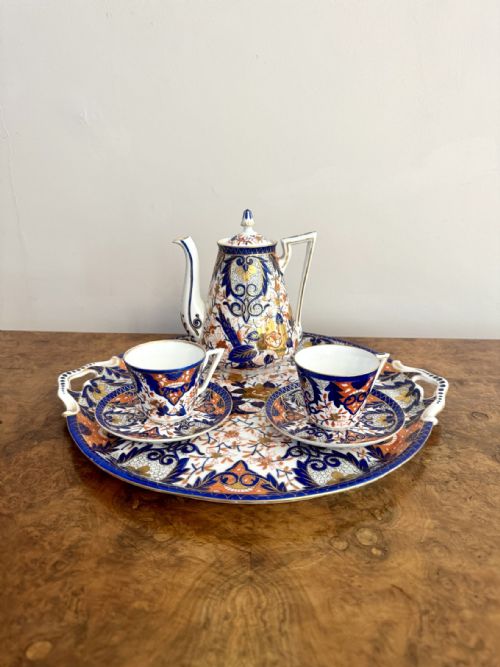
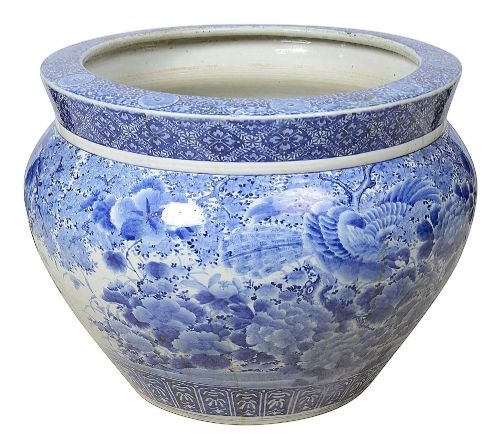
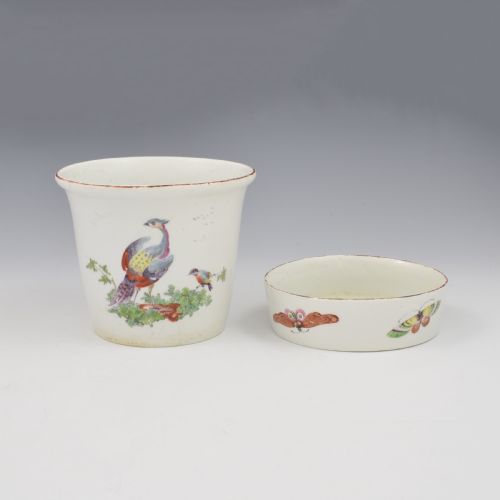
When you search for an antique porcelain pot, you enter a diverse field spanning Georgian teapots, Japanese jardinieres, and Chinese brush pots.
Antique Porcelain Pot
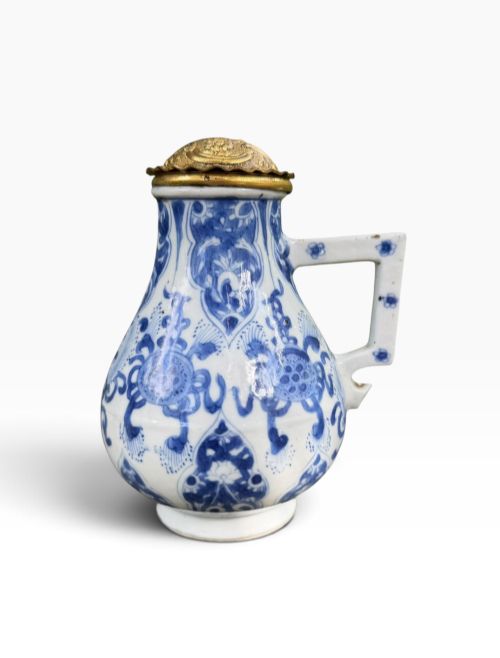
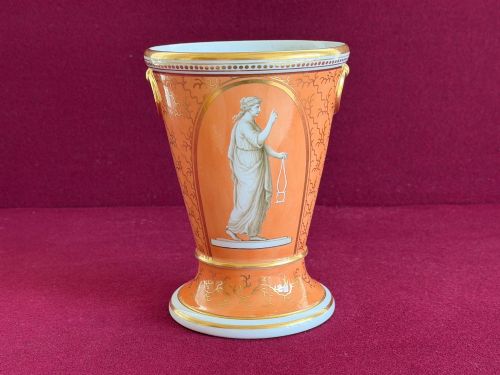
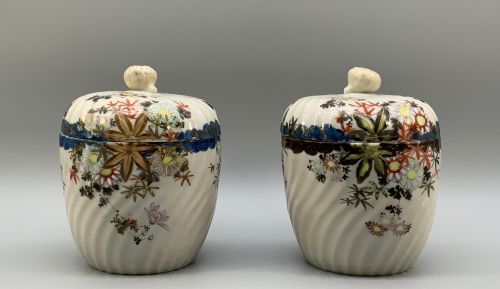
An antique porcelain pot encompasses a wide variety of functional and decorative vessels produced across centuries in Europe and Asia. Buyers encounter utilitarian forms such as teapots, sugar bowls, and coffee pots alongside decorative containers including jardinieres, ginger jars, and scholar's brush pots.
The selections available range from 18th-century English factories like Worcester and Derby to Qing Dynasty Chinese wares and Meiji Period Japanese Imari ceramics. Domestic tea wares sit alongside substantial planters and intricate lidded vessels designed for scent or storage.
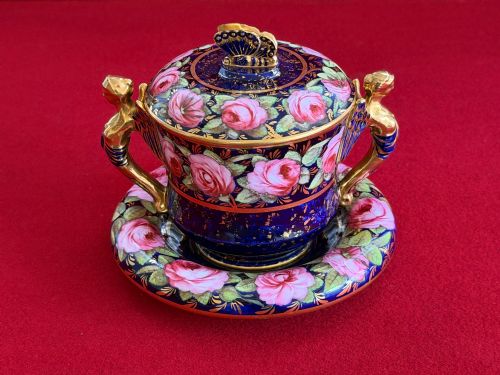
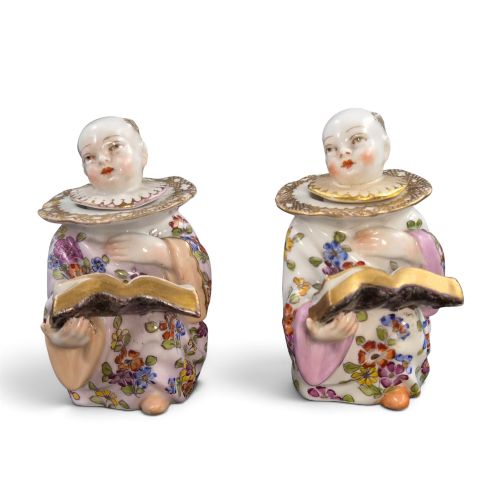
Functional items like chocolate cups and inkwells appear alongside cabinet pieces and large planters intended for interior display. Each object reflects the prevailing aesthetic of its period, whether Georgian restraint, Victorian elaboration, or East Asian imperial tradition.
How they were made
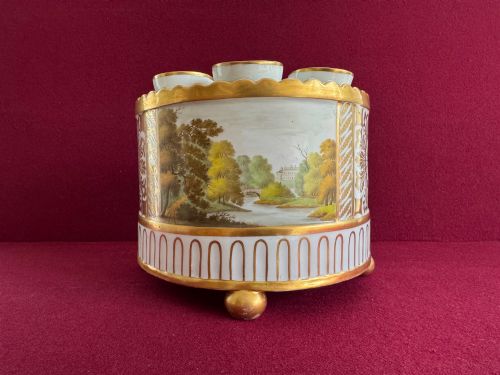
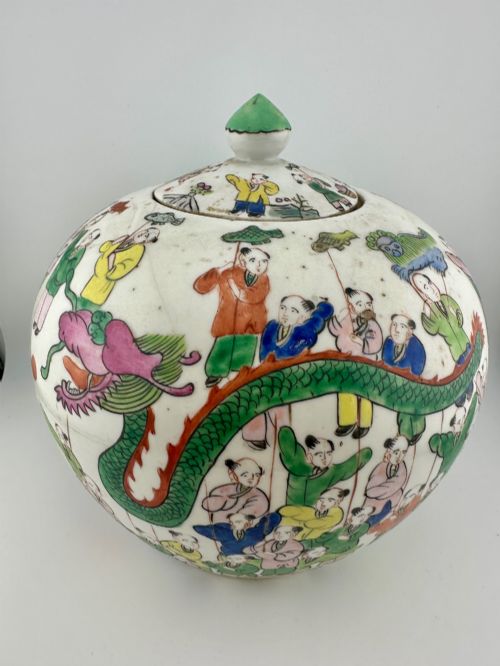
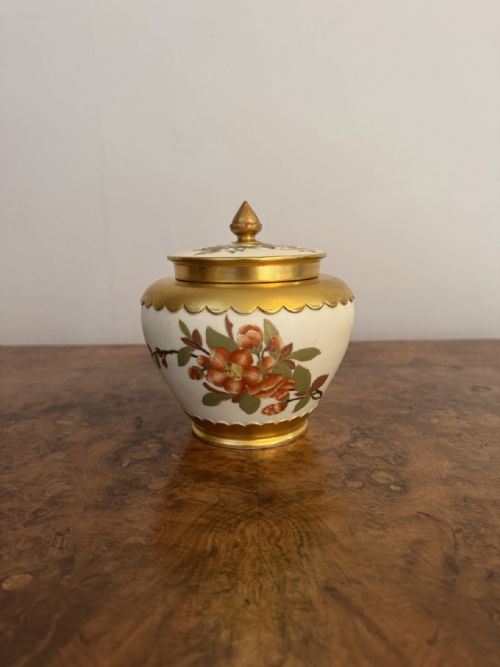
Potters utilised refined ceramic bodies, applying glazes and underglaze cobalt to achieve durable surfaces before secondary firing. Many pieces received hand-painted enamel decoration in polychrome palettes alongside applications of gold leaf and gilding.
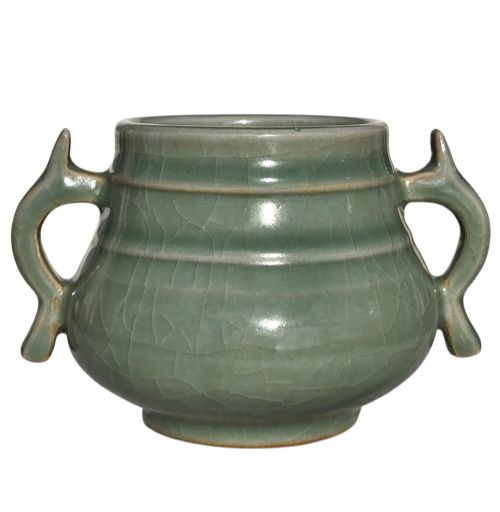
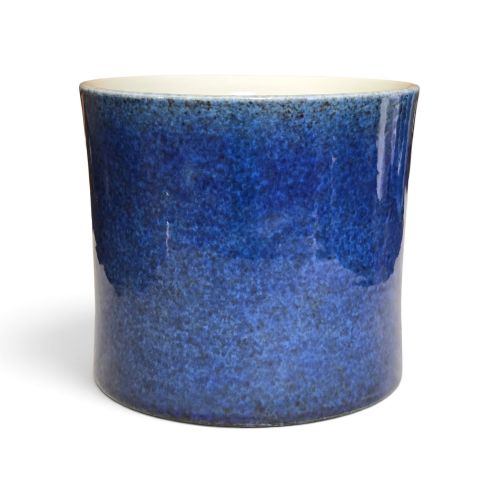
Eastern traditions favoured iron-red pigments, powder-blue glazes, and celadon finishes on meticulously potted clay bodies. European factories developed specialised formulas including bone china and felspar porcelain, often pairing hand-painting with moulded rococo or neoclassical forms.
Some Victorian householders utilised specialised ceramic chambers for every domestic convenience imaginable, including tea, flowers, and nocturnal necessities.
What varies in quality
The standard of an antique porcelain pot rests upon the crispness of the potting and the precision of the hand-painted or transfer-printed decoration. Superior examples display controlled brushwork, even glaze distribution, and well-defined gilding that remains intact across raised mouldings.
Imperial and factory-marked pieces generally command greater attention due to documented provenance and superior material refinement. The depth of underglaze blue, the vibrancy of enamel work, and the harmonious balance of form and ornament separate standard domestic wares from exceptional studio or factory productions.
Derby Porcelain·Flight & Barr Worcester·Spode·Royal Worcester·Edmé Samson·Barr, Flight & Barr·New Hall·Meissen·Sevres·Dresden·Ridgway
The Antique Porcelain Pot Glossary
- Bitong
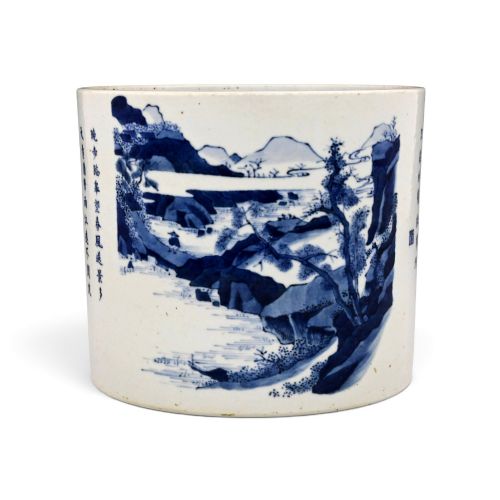
- A cylindrical Chinese brush pot traditionally used by scholars to hold writing brushes on a desk. These pieces are frequently carved from porcelain or finished in monochrome glazes.
- Jardiniere
- A decorative ceramic pot or planter designed to hold living plants or floral arrangements. They appear in various sizes, from small table vessels to large floor-standing jardinieres.
- Sucrier
- A small covered sugar bowl or pot made to match tea service sets during the Georgian and Regency periods. They often feature matching covers and twin handles.
- Koro
- A traditional Japanese incense burner supported on legs, frequently fitted with an openwork lid. These vessels are commonly associated with Satsuma or bronze-mounted ceramic production.
- Blanc de Chine
- A type of white porcelain manufactured in Dehua, China, known for its milky glaze and often moulded with floral or botanical motifs. These wares emphasise purity of form and material.
Antique Porcelain Pot: Frequently Asked Questions
How do I date an antique porcelain pot?
Dating relies upon factory marks, stylistic indicators such as rococo or neoclassical moulding, and the specific composition of the ceramic body. Examining the glaze and hand-painted pigments also helps place the piece within its historical period.
Comparison with documented examples from English kilns or Asian dynasties provides further chronological clarity.
Were these pots used daily or kept for display?
Many items like teapots, coffee pots, and sugar bowls served practical domestic functions in 18th and 19th-century households. Other forms, such as potpourri jars and ornamental jardinieres, were intended primarily for interior decoration.
Scholar's brush pots had a specific utilitarian role on desks alongside inkwells and desk accessories.
How do I care for antique porcelain?
Gentle cleaning with warm water and mild soap is sufficient for most glazed ceramic surfaces. Avoid harsh abrasives or soaking pieces with delicate overglaze enamel or gold leaf gilding.
Display vessels away from direct sunlight and sudden temperature shifts to protect the glaze and body.