



Antique Porcelain Plant Pot
An antique porcelain plant pot brings interior flora to life with historic grace, offering a ceramic vessel designed to display indoor foliage in traditional style.
Antique Porcelain Plant Pot
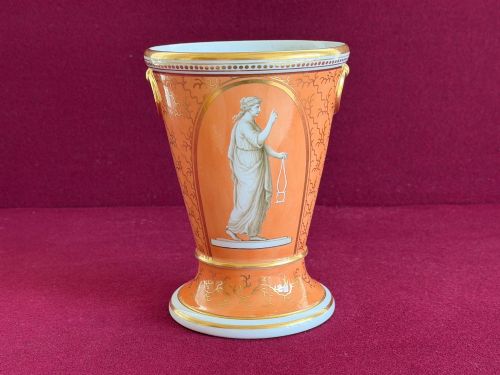
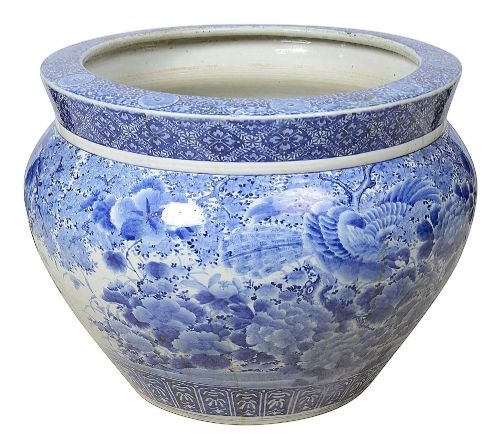
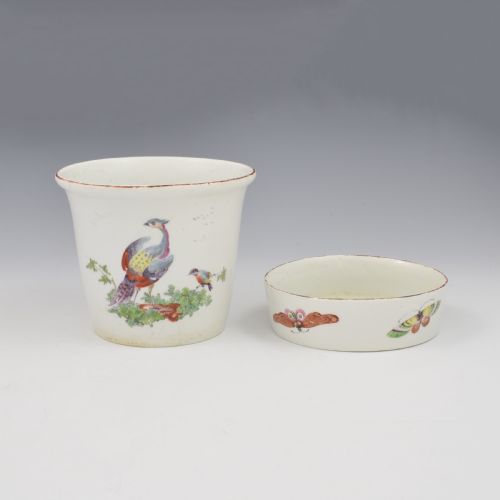
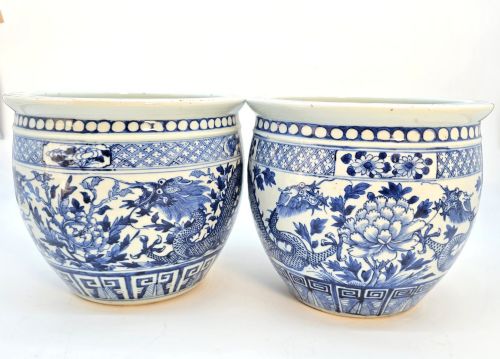
An antique porcelain plant pot encompasses decorative vessels formed to hold living plants or house interior blooms. Buyers seeking an antique porcelain plant pot encounter forms such as jardinieres, cachepots, planter stands, and fish bowls.
The pieces on this page span the Georgian period, the eighteenth century, the nineteenth century, the Meiji period, and the early twentieth century. Origins range across English factories like Worcester and Derby, French kilns, Japanese Arita kilns, and Chinese export workshops.
English examples feature classic classical shapes alongside floral motifs, while Asian items display Imari palettes, blue and white decoration, and Chinoiserie scenes. European makers also adopt Japanese styles, creating Samson Imari interpretations alongside French hand-painted designs.
Assessing quality in antique planters
Quality rests in the precision of the hand-painted decoration, the crispness of cobalt underglaze work, and the richness of enamel or gold leaf application. Finer pieces show superior potting with balanced proportions and controlled kiln firing.
Provenance and factory origin elevate certain pieces, distinguishing standard nineteenth-century utilitarian wares from marked Georgian factory productions by makers such as Worcester and Derby.
Listings feature porcelain, enamel, glaze, gold leaf, ceramic, cobalt underglaze, soft-paste porcelain, and glazed earthenware across multiple centuries.
Flight And Barr·Barr Flight And Barr·Derby Porcelain·Royal Doulton·Royal Worcester
The Antique Porcelain Plant Pot Glossary
- Jardiniere
- A large ornamental pot or stand designed to hold a plant or flower arrangement indoors. These vessels often sit directly on floors or dedicated hardwood stands.
- Cachepot
- An ornamental flower pot cover intended to conceal a plain inner growing pot. This French term translates literally as hide-pot.
- Imari
- A style of Japanese export porcelain decorated in underglaze blue, iron red, and gold. The palette draws from traditional Japanese aesthetics popular during the Edo and Meiji periods.
- Soft-Paste Porcelain
- A ceramic material composed of clay and glass frit, fired at lower temperatures than true hard-paste porcelain. English factories utilised this body extensively during the eighteenth century.
- Chinoiserie
- European artistic interpretations of Chinese and East Asian decorative traditions. These designs feature imaginary landscapes, figures, and architectural motifs.
Antique Porcelain Plant Pot: Frequently Asked Questions
What is a jardiniere?
A jardiniere is a decorative pot designed to hold plants or flowers inside a home. These vessels sit in reception rooms or hallways to display indoor greenery.
Unlike standard flower pots with drainage holes, jardinieres often function as cachepots to catch water or house potted plants directly.
How do I care for an antique pot?
Keep porcelain planters away from direct frost and extreme temperature shifts to protect the historic glaze and body. Clean surfaces gently with a soft dry cloth.
Use a plastic liner inside the ceramic vessel when watering plants to prevent moisture from seeping into older earthenware or soft-paste bodies.
Where were these pots made?
The pieces originate from major European ceramic centres in England and France alongside East Asian kilns in China and Japan. English factories like Worcester and Derby produced fine porcelain vessels.
Export wares arrived from Chinese kilns and Japanese Arita workshops during the eighteenth and nineteenth centuries to satisfy Western demand.
How do I date an antique planter?
Dating relies on factory marks, material composition, stylistic traits, and potting techniques recorded across different eras. Georgian pieces exhibit distinct soft-paste or early bone china bodies.
Nineteenth-century Japanese items often align with the Meiji period, whilst later Victorian and Edwardian pieces show characteristic industrial refinements and floral hand-painting.