




Antique Porcelain Object
An antique porcelain object brings scholarly refinement and centuries of ceramic mastery directly to a desk or cabinet.
Antique Porcelain Object
When you search for an antique porcelain object, you encounter scholarly desk accessories, ritual vessels, and decorative figures spanning several centuries. The selection on this page centres heavily on scholar's objects from the Qing Dynasty, alongside Japanese Meiji period figures and European porcelain.
Forms include brush pots, incense burners, brush washers, and small vessels created for the studio or the altar. These pieces demonstrate the diverse functional and aesthetic ambitions of ceramicists across Asian and European workshops.
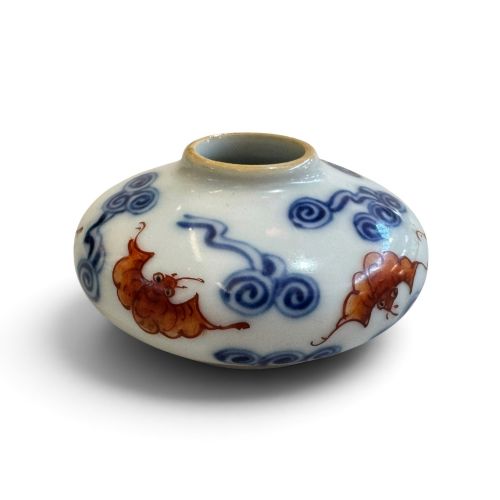
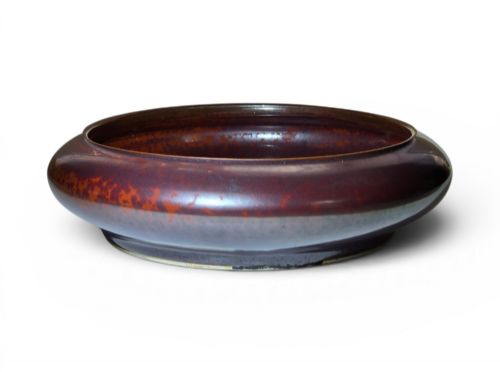
The materials and glazes range from simple cobalt underglaze on white body to complex iron rust glaze, celadon, and monochrome finishes. Each piece reflects the dominant stylistic preferences of its specific period of production.
Materials and Technique
The primary material is fine ceramic clay fired at high temperatures to form a durable porcelain body, frequently coated with specialised mineral glazes. Cobalt underglaze, iron rust, and celadon glazes require precise kiln temperatures and atmospheric control to achieve their distinct colorations and surface textures.
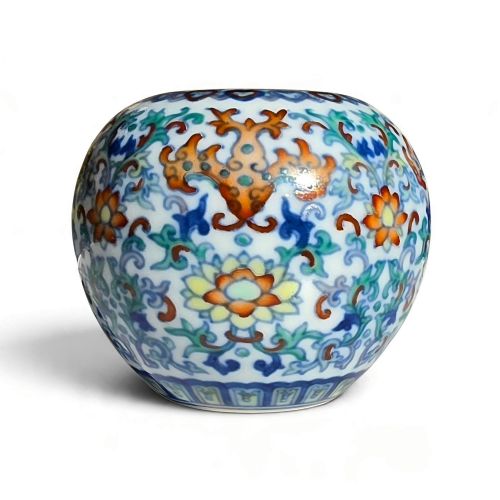
Enamel decoration, seen in famille rose and famille noire pieces, involves the application of vitreous pigments over a fired glaze, followed by a secondary low-temperature firing. This technique allows for intricate polychrome painting across the surface of the vessel.
Antique Porcelain Object Retail Price Guide 2026
Typical asking prices for porcelain object among the pieces listed under this phrase on Sellingantiques today, from the lower quarter to the upper quarter. They describe what is for sale here now, not the wider market.
One Meiji period figure depicts Jurojin, the God of Longevity, bringing a cheerful divine presence to the lineup of scholarly vessels.
Distinctions in Quality
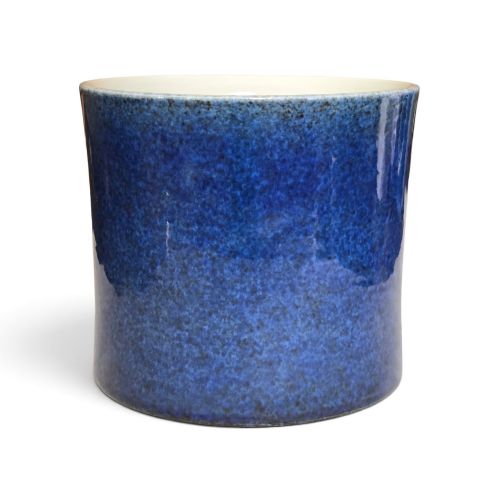
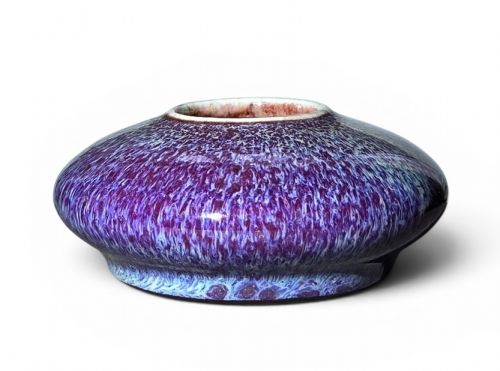
Quality rests in the precision of the throwing, the control of the glaze, and the refinement of the painted or modelled details. Superior examples exhibit balanced proportions, deliberate glaze effects such as controlled flambé or even powder-blue surfaces, and crisp execution of underglaze painting.
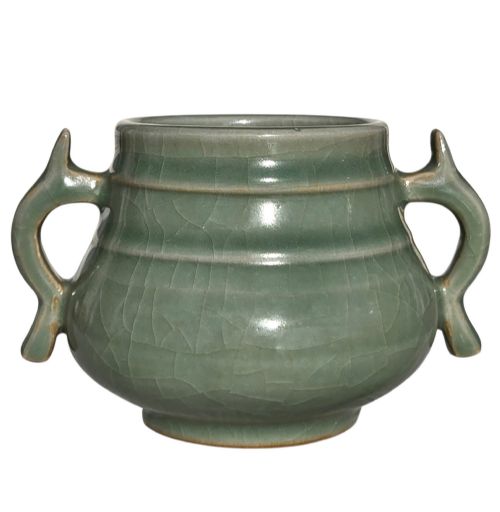
Imperial or workshop pieces display a level of technical mastery and artistic intention that separates them from standard commercial output. The subtlety of a Guan-type crackle or the sharpness of an incised motif indicates the skill of the maker.
The Antique Porcelain Object Glossary
- Bitong
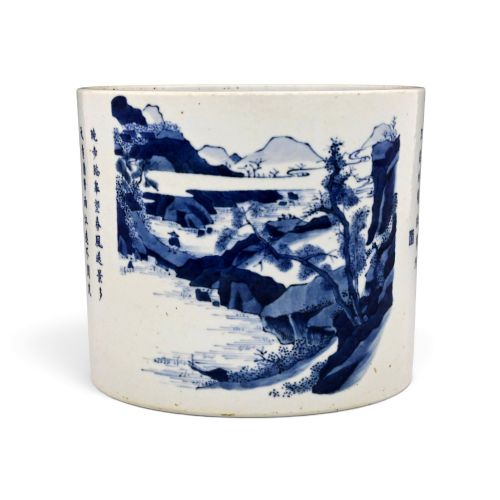
- A cylindrical brush pot used on a scholar's desk for holding writing brushes. These vessels are typically fashioned from porcelain or bamboo and often feature painted or carved decoration.
- Famille Rose
- A palette of opaque enamels introduced in the Qing Dynasty, characterised by pink or rose colours derived from colloidal gold. This technique permits subtle tonal gradations in floral and figural scenes.
- Celadon
- A term for pottery denoting both wares glazed in jade green and the green glaze itself. The colour results from iron oxide in the glaze interacting under reducing conditions in the kiln.
- Kangxi Period
- A period of the Qing Dynasty lasting from sixteen sixty-two to seventeen twenty-two, noted for technical brilliance in blue and white porcelain and the development of monochrome glazes.
- Gilt-metal mounted
- A piece of porcelain fitted with decorative metal mounts, often gilded bronze or brass, utilised in European objects of vertu to enhance utility and aesthetic luxury.
Antique Porcelain Object: Frequently Asked Questions
What is a brush pot?
A brush pot, or bitong, is a traditional scholar's desk accessory designed to hold calligraphy brushes upright when not in use. They are constructed in various materials, with porcelain being prominent among high-status examples.
These cylindrical vessels often feature cobalt blue painting, carved scenes, or monochrome glazes that reflect the scholarly tastes of the period in which they were made.
How do I care for antique porcelain?
Antique porcelain requires gentle handling and stable environmental conditions away from direct sunlight and sudden temperature shifts. Dusting with a soft, dry cloth is usually sufficient for routine maintenance.
Avoid using chemical cleaners or immersing mounted pieces in water, as moisture can damage adhesives, metal mounts, or delicate enamel work.
What is an incense burner?
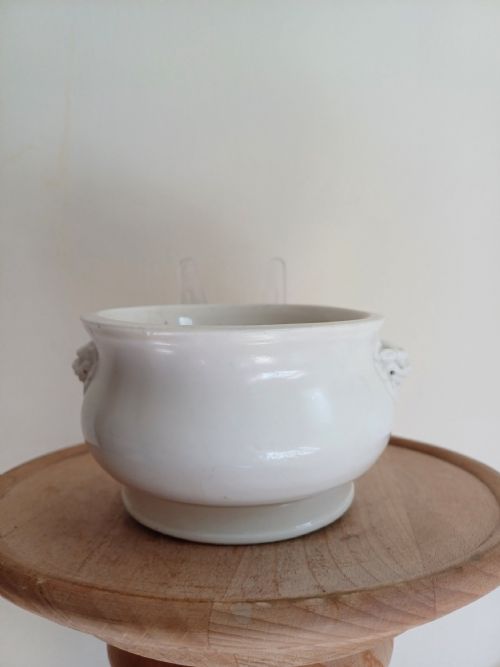
An incense burner is a vessel designed to hold burning incense, often featuring a tripod base or perforated lid to release aromatic smoke. In traditional settings, they occupied places of reverence in temples or on scholar's desks.
These pieces utilise various ceramic types, including celadon and archaic-style glazes, mimicking ancient bronze shapes to convey antiquity and dignity.
How do I identify a Qing Dynasty piece?
Qing Dynasty porcelain is identified through stylistic conventions, glaze characteristics, and potting techniques specific to reigns such as the Kangxi or Qianlong periods. Familiarity with standard motifs, such as figures, bats, and floral arrangements, assists in period attribution.
Examination of the foot ring, body weight, and glaze consistency provides further clues regarding the era of manufacture.