
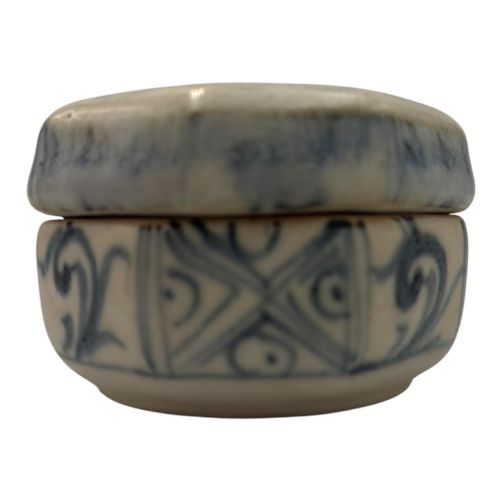
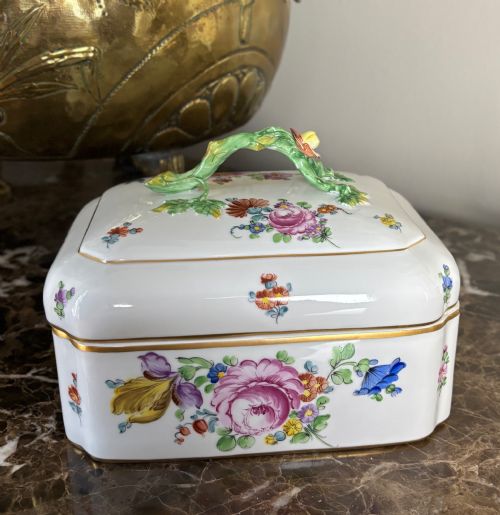
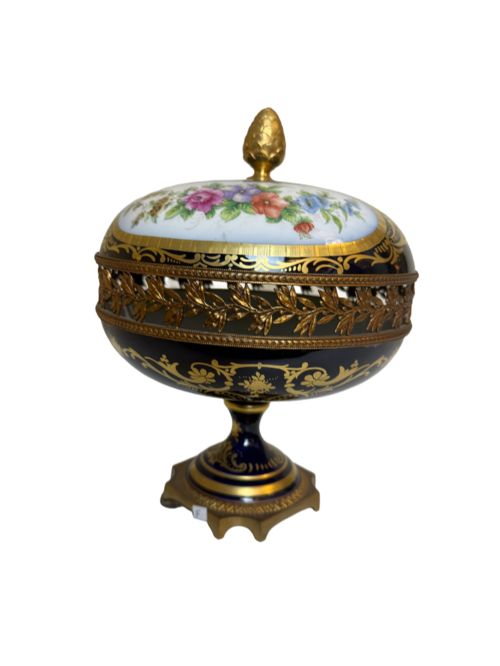


Antique Porcelain Lidded Box
An antique porcelain lidded box brings refined storage to a dressing table, and these pieces span centuries of delicate ceramic artistry.
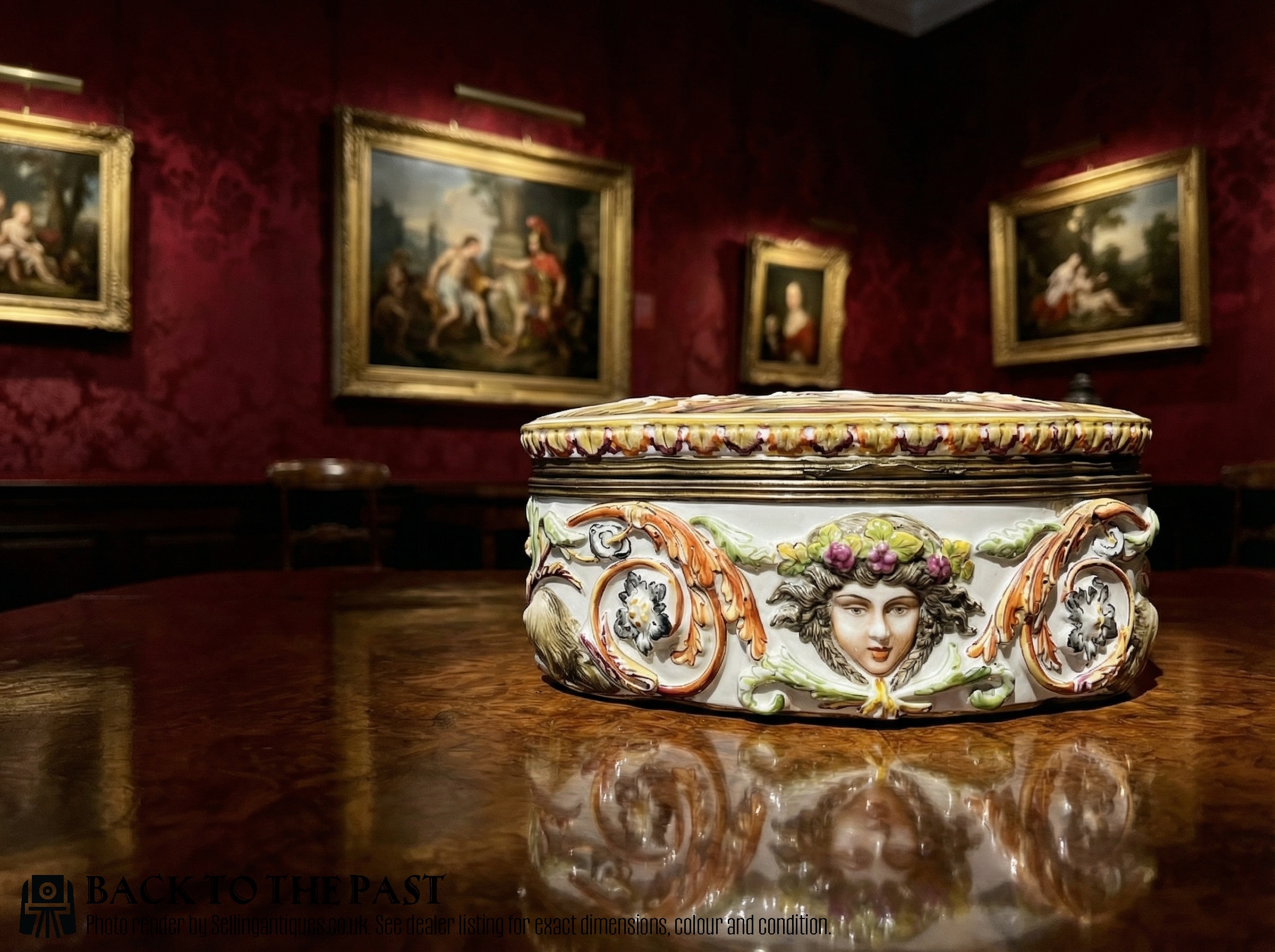
Antique Porcelain Lidded Box
When you search for an antique porcelain lidded box, you encounter small decorative containers intended for sugar, trinkets, powder, or keepsakes. These items appear in various forms, from French powder boxes and German sugar boxes to Chinese pen boxes and Japanese dishes.
The pieces on this page cross multiple periods, including the eighteenth century, the Victorian era, and the Art Deco years of nineteen thirty. You will find forms ranging from octagonal covered boxes of the Lê dynasty to Regency period sucriers and late nineteenth century Limoges dishes on stands.
Origins stretch across European and Asian workshops, including English factories like Coalport and Worcester, continental houses such as Meissen, Dresden, and Richard Ginori, and Chinese export wares. The domestic sugar box and the vanity trinket box represent the two main domestic roles these lidded vessels fulfilled.
Materials and construction
Makers shaped these containers using ceramic paste, porcelain, and stoneware, often sealing the body beneath a smooth glaze. Enamel colours and hand painted motifs decorate the surfaces, whilst gold leaf and gilt detailing highlight rims, handles, and panels.
Fittings and mounts occasionally incorporate brass or silver plate to secure or elevate the ceramic body, particularly on biscuit barrels and table caskets. Kiln firing fixed the underglaze blue and polychrome pigments before artisans applied final gilding by hand.
Listings feature porcelain, ceramic, stoneware, and glass materials paired with brass and silver plate across multiple centuries.
Judging quality in covered boxes
Excellence in these lidded vessels rests upon the crispness of the moulding and the precision of the hand painting. Finer examples display detailed brushwork, controlled gilding, and well fitted covers that sit flush with the base.
Artisanal skill also shows in the depth of the glaze and the complexity of the decorative motifs, such as intricate dragon patterns or delicate floral sprays. Pieces originating from established factories or specific historical periods carry greater stylistic cohesion and technical finish.
Richard Ginori·Meissen Porcelain·Coalport Sucriere
The Antique Porcelain Lidded Box Glossary
- Sucrier
- A sugar bowl or sugar box equipped with a matching cover, commonly produced in eighteenth and nineteenth century porcelain. These vessels sat upon the tea table to hold loose sugar.
- Bonbonniere
- A small ornamental box or casket designed to hold sweets or bonbons. These delicate pieces often feature hinged lids and rich surface decoration.
- Imari
- A style of Japanese export ceramic characterised by a palette of underglaze blue, iron red, and gold. It influenced European porcelain makers during the eighteenth and nineteenth centuries.
- Famille Rose
- A Chinese ceramic palette dominated by opaque pink enamel introduced during the Qing dynasty. The style depicts floral and figurative scenes with soft colour gradations.
- Gilt
- A thin layer of gold applied to the surface of porcelain or metal mounts. It provides metallic contrast against the white ceramic body or painted enamel.
Antique Porcelain Lidded Box: Frequently Asked Questions
What were porcelain lidded boxes used for?
These lidded vessels served practical domestic roles across the tea table and the dressing room. Sugar boxes held refined sugar for beverages, while powder boxes and trinket caskets secured cosmetics and jewellery.
Over time, many of these containers transitioned from utilitarian household items into purely decorative cabinet pieces. Their intricate painted surfaces made them ideal gifts and display objects in period interiors.
How do I date an antique porcelain box?
Dating relies on stylistic markers, factory marks, and the manufacturing technique visible in the glaze and paste. Eighteenth century pieces often exhibit underglaze blue painting or soft paste bodies, while Art Deco items from nineteen thirty display geometric forms and distinct palettes.
Comparing the painting style and the form to documented factory outputs helps narrow the period of origin. Period evidence from Victorian and Regency eras also provides clear stylistic benchmarks.
How should I display a lidded box?
Place these containers on stable surfaces where their painted details and gilt highlights catch natural light. Dressing tables, mantelpieces, and glass fronted display cabinets offer secure environments away from high traffic areas.
Ensure the lid rests securely on the base if the box sits on an accessible shelf. Keeping them away from direct sunlight protects enamel colours and gold leaf from fading.
Are these boxes fragile?
Porcelain and ceramic bodies require careful handling to prevent chipping or cracking, particularly around rims and delicate handles. Metal mounts and silver plate elements also need gentle maintenance to preserve their finish.
Dusting with a soft, dry cloth is usually sufficient for routine care. Avoid abrasive cleaners or soaking items that feature delicate hand painted enamels or gold leaf.