


Antique Porcelain Demitasse
These antique porcelain demitasse cups and saucers bring small-scale elegance to after-dinner coffee.
Antique Porcelain Demitasse
When you search for antique porcelain demitasse, you encounter small cups paired with matching saucers designed specifically for strong black coffee or liqueurs. The selection spans centuries of European ceramic production, moving from eighteenth-century English and continental works through Regency and Victorian periods up to early twentieth-century sets.
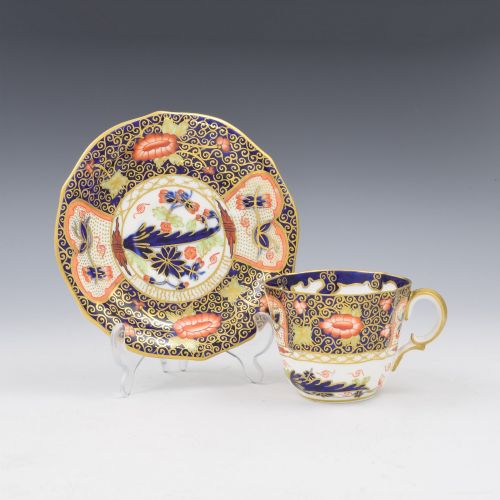
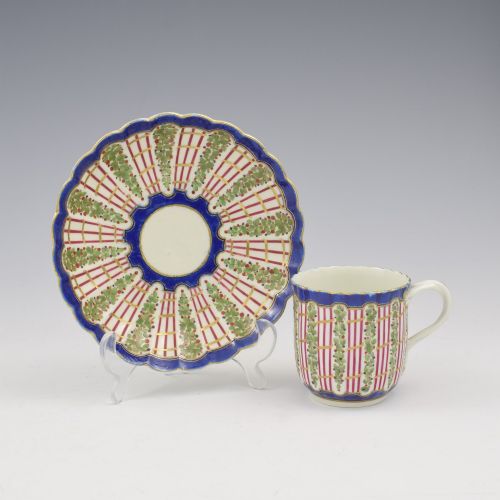
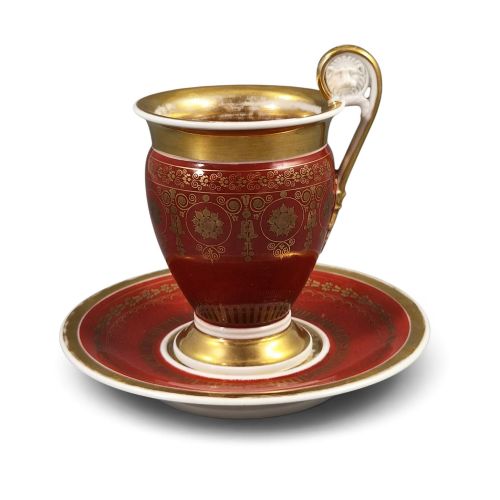
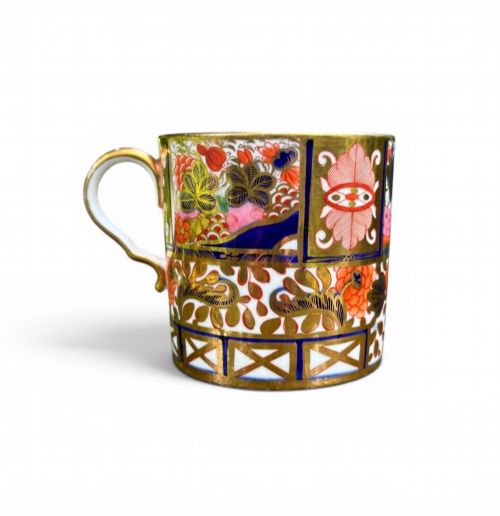
You meet various forms on this page, including cylindrical coffee cans, cabinet cups with lion mask handles, pedestal cups, and complete multi-person services housed in fitted cases. Origin workshops range from English potteries like Worcester, Spode, Minton, and Royal Worcester to continental factories such as Meissen, KPM Berlin, Limoges, and Sevres.
The styles shift across eras, encompassing Rococo Revival floral painting, Imari patterns, French Empire motifs, and cleaner Art Deco lines. Most surviving examples function both as cabinet displays and usable tableware for serving after-dinner coffee.
How they were made
Makers shaped these items using hard-paste and soft-paste porcelain, along with bone china for English productions. Artisans applied hand-painted enamels, transfer printing, and polychrome designs before finishing the pieces with gold leaf, gilding, and gold gilt accents.
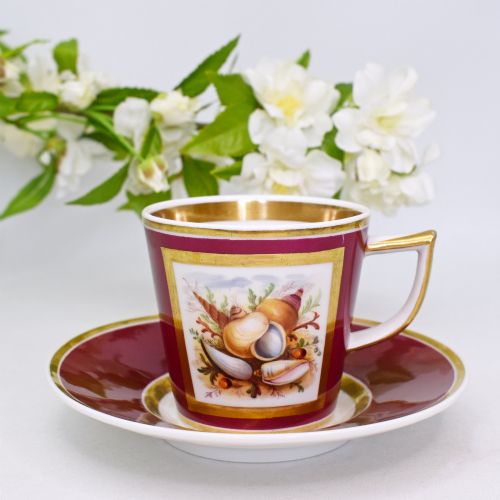
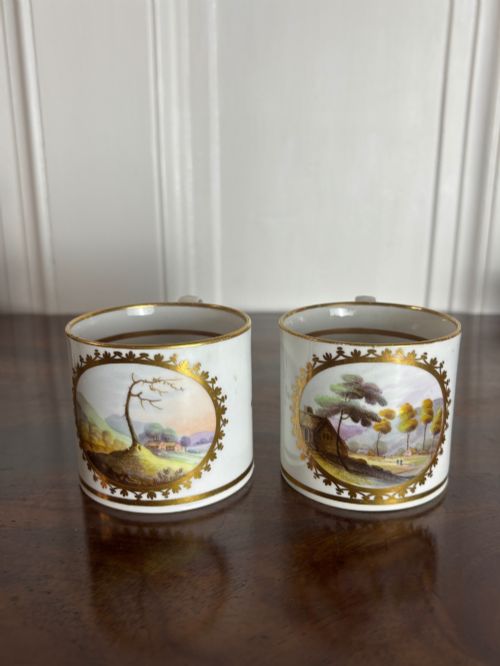
Certain sets integrate external mountings, combining the ceramic bodies with silver plate or solid silver mounts and spoons. Factories utilised skilled painters to execute landscape scenes, Dresden flowers, and intricate compartmental patterns directly onto the glazed porcelain surface.
The documented object forms span coffee cans, cabinet cups, pedestal cups, and complete cased sets with silver spoons.
What varies in quality
The standard of painting determines much of the distinction between pieces, moving from standard factory output to meticulous hand-painted miniature landscapes and botanical studies executed by named artists. The crispness of the porcelain body, the precision of the gilding, and the survival of the original gold leaf indicate the initial investment in the workshop.
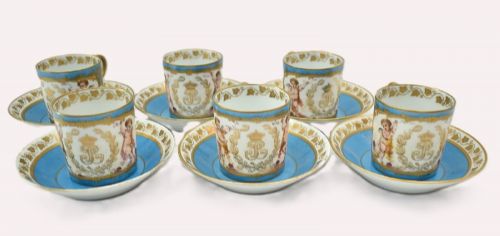
Completeness alters the character of a piece, separating single cabinet cups from matched pairs, full six-person services, and cased sets that retain their original fitted presentation boxes.
Royal Crown Derby·Dr Wall Worcester·Rockingham·Yates Leeds·Minton·Spode·Sevres·Elkington·Coalport·Ahrenfeldt and Asalvary·Meissen·Thomas Steel·KPM Berlin·Hutschenreuther·Hirsch Dresden·Royal Worcester·Spode Copeland·Ridgeway
The Antique Porcelain Demitasse Glossary
- Demitasse
- A small cup used for serving black coffee or espresso. The name translates from French as half-cup.
- Coffee can
- A straight-sided cylindrical cup lacking the traditional curved handle, popular during the late eighteenth and early nineteenth centuries. These vessels were modelled on Chinese porcelain prototypes.
- Cabinet cup
- A decorative porcelain cup intended primarily for display in a cabinet rather than regular service. They frequently feature elaborate handles, pedestal bases, or hand-painted panels.
- Imari
- A decorative style inspired by Japanese export porcelain, characterised by a palette of underglaze blue, iron red, and abundant gold. English and continental factories adopted this scheme extensively.
- Gilding
- The application of gold leaf or gold paint to the rims, handles, and borders of ceramics. High-quality pieces often burnished the gold to create a bright finish against the white porcelain.
Antique Porcelain Demitasse: Frequently Asked Questions
What is a demitasse used for?
A demitasse serves concentrated black coffee, espresso, or after-dinner liqueurs. The small volume keeps the beverage hot and concentrated.
These vessels appear singly as cabinet pieces or in matched sets intended for formal dining tables.
How do I date an antique porcelain cup?
Dating relies on factory marks stamped or painted on the base, stylistic clues like Empire handles or Art Deco geometry, and the type of paste.
Eighty-century and Regency pieces often feature handwritten pattern numbers or blue crescent marks, while later Victorian and twentieth-century items utilise impressed or printed factory ciphers.
Can I use antique demitasse cups for coffee?
Many antique porcelain and bone china cups remain structurally sound for gentle use with hot liquids. Hand washing preserves the delicate hand-painted enamels and gold leaf.
Very early soft-paste porcelain or fragile cabinet pieces with heavy gilding warrant display rather than daily service.