


19th Century Porcelain Miniature
These small-scale works condense ambitious artistic traditions into cabinet format, offering collectors focused studies in porcelain painting and ceramics.
19th Century Porcelain Miniature
A 19th century porcelain miniature brings together domestic decorative arts and cabinet collections, spanning cabinet plates, wall plaques, and scaled-down tea services.
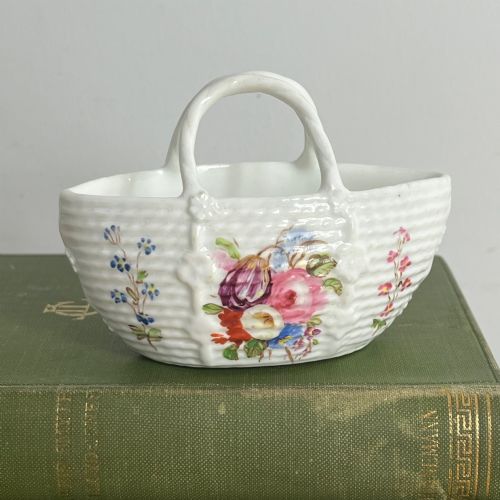
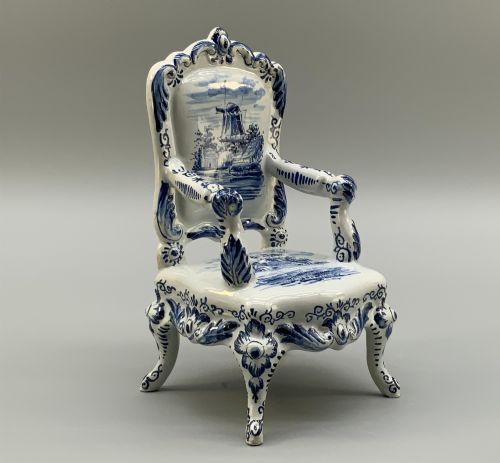
The objects appearing in this category range from factory-made English Staffordshire figures and Worcester baskets to hand-painted Continental portrait plaques and Dutch Delft furniture items.
Buyers encountering these pieces find both utilitarian shapes reduced in scale, such as miniature ewers and teapots, and purely decorative items including portrait plaques and framed paintings on ceramic.
Materials and methods behind the scale
Porous earthenware, refined porcelain bodies, and soft paste materials form the physical substrate, fired and glazed to receive detailed polychrome pigments.
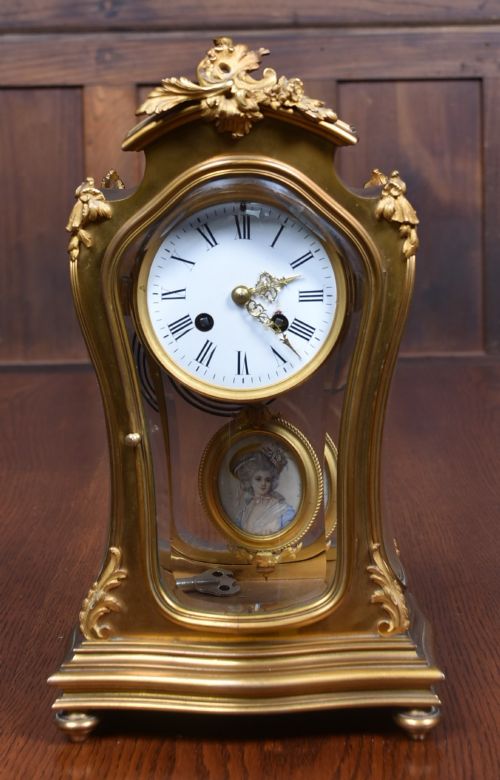
Painters applied fine enamels and underglaze blue, frequently combining these with gold leaf highlights and mounting the finished ceramics in brass, ormolu, and carved wooden frames.
Materials span glazed earthenware, porcelain, brass, glass, and ormolu mounts.
Distinctions across the range
The degree of artistic control in the brushwork distinguishes standard factory output from individual painted plaques produced after master works.
Original mounts, signed surfaces, and factory marks from established potteries elevate specific examples above unmarked utilitarian pieces.
Flight Barr And Barr·Masons·Stevenson And Hancock·Wedgwood·Spode·K P M·Berlin
The 19th Century Porcelain Miniature Glossary
- Porcelain
- A white vitrified ceramic material of high density and translucency. It forms the primary canvas for miniature painting and three-dimensional cabinet figures.
- Plaque
- A flat panel of fired ceramic meant for display in a frame rather than use at table. Many depict historical figures, religious subjects, or portraits.
- Ormolu
- Gilded bronze used for decorative mounts and frames. It frequently houses miniature porcelain plaques and clock panels.
- Flow blue
- A cobalt printing style where the pigment intentionally bleeds into the surrounding glaze during firing. This technique appears on child-size service wares.
- Imari
- A decorative palette employing iron red, cobalt blue, and gold on a white ground. It decorates miniature vases and vessels.
19th Century Porcelain Miniature: Frequently Asked Questions
How were miniature tea services used?
Makers produced these scaled sets for children as educational toys or for display within specialised cabinet furniture.
Over time, collectors preserved them as records of full-scale ceramic patterns translated into miniature dimensions.
Are painted porcelain plaques signed?
Certain plaques carry the signature of the artist or the mark of the decorating studio on the reverse or front.
Unsigned examples frequently rely on factory marks or stylistic attribution to determine their origin.
What frames suit porcelain miniatures?
Many nineteenth-century pieces retain their original ormolu, brass, or ebonised wooden frames designed specifically for wall hanging or desk display.
Original mountings help protect the vulnerable ceramic edges and provide context for the period of display.
How do I distinguish Delft from English porcelain?
Dutch Delft items generally employ tin-glazed earthenware decorated in blue and white, often taking whimsical forms like miniature furniture.
English works from factories like Worcester or Spode utilise hard or soft paste porcelain with distinct paste bodies and gilding.